TL;DR

Get workout gear delivered free with Prime
- Fast, free delivery on millions of items
- Prime Video, Amazon Music and more included
- Member-only deals all year
Unilateral training involves working one limb at a time, making it a powerful tool for fixing strength imbalances. It improves neuromuscular control, muscle activation, and functional performance, especially when combined with other training methods.
Ever notice how your stronger side always seems to do more work? Or maybe your weaker leg feels like it’s lagging behind in squats or lunges. That’s not just in your head — many people develop strength imbalances that can hold back progress and increase injury risk.
Unilateral training, which involves exercises that work one limb at a time, offers a straightforward way to identify and fix these issues. If you want to build balanced strength, improve stability, and move more confidently, understanding how and why unilateral work works is key.
Unilateral training reveals and addresses strength gaps that bilateral exercises hide.
Focusing on one limb enhances neuromuscular control, stability, and movement precision.
Incorporate unilateral exercises 1-3 times weekly for balanced strength and injury prevention.
Both unilateral and bilateral training work together best — use the right tool at the right time.
Progress gradually, prioritize form, and focus equally on both sides to maximize benefits.
Why Unilateral Training Fixes Strength Imbalances
Working one limb at a time exposes the gaps that two-limb exercises can hide. The result is sharper control, more balanced muscle activation, stronger real-world movement, and a clearer path toward reducing injury risk.
What bilateral lifts can conceal
In a squat, deadlift, or bench press, both sides contribute to one outcome. If one limb is stronger or better coordinated, it can produce more force while the weaker side contributes less—without the final rep looking obviously uneven.
Reveals the gap
Single-limb exercises make side-to-side differences in strength, balance, range of motion, and control easier to observe.
Removes compensation
The stronger side cannot assist the weaker limb, so each side receives a more honest and appropriately challenging stimulus.
Builds symmetry
Balanced volume, gradual loading, and equal technical standards help the weaker side close the performance gap over time.
Assess
Compare reps, load, control, and range.
Expose
Train each limb without assistance.
Stimulate
Give the weaker side quality work.
Adapt
Improve force, stability, and control.
Recheck
Measure whether the gap is closing.
The neuromuscular boost
Strength is not only muscle size. It also depends on how effectively the nervous system recruits muscle fibers, coordinates joints, senses position, and stabilizes the body while force is produced.
Better signals create better movement.
Unilateral work demands more focus from the working limb and the stabilizing system around it. That improves proprioception, timing, precision, and confidence under load.
This matters when an apparent “weakness” is partly a recruitment problem: the muscle may be capable, but the brain is not yet using it efficiently.
A side-to-side strength difference above roughly 10–15% is commonly treated as a meaningful signal for closer assessment and targeted programming.
A simple correction protocol
Begin with movements you can control. The goal is not to exhaust the weaker limb—it is to give both sides consistent, technically sound work while gradually reducing the difference between them.
Select two or three movements
Use step-ups, split squats, single-leg Romanian deadlifts, single-arm rows, or single-arm presses.
Start with the weaker side
It receives your freshest effort and sets the technical and repetition target for the stronger side.
Match clean volume
Use equal sets and high-quality reps on both sides rather than adding excessive catch-up work.
Progress one variable at a time
Increase range, control, repetitions, or load only after both sides meet the same movement standard.
| Feature | Bilateral training | Unilateral training |
|---|---|---|
| Examples | Squats, deadlifts, bench press | Split squats, lunges, step-ups, single-arm presses |
| Overall strength efficiency | ✓ Excellent for moving heavier total loads | ~ Moderate because each side is trained separately |
| Imbalance detection | ✗ Limited because compensation can remain hidden | ✓ Excellent because each limb must perform alone |
| Stability demand | ~ Moderate with a wider, shared base | ✓ High through greater joint and trunk control |
| Best application | Maximum strength, efficient loading, foundational development | Rehabilitation, prehabilitation, asymmetry correction, functional training |
| Programming verdict | ✓ Keep it as the heavy strength foundation | ✓ Add it to correct deficits and refine control |
Four mistakes that stall progress
Single-limb exercises create more balance and coordination demand. That makes them effective—but it also means technique, fatigue, and progression must be managed carefully.
Chasing load too soon
Heavy weight can turn a controlled correction exercise into a compensation exercise.
Fix: earn load through stable, repeatable repsIgnoring movement quality
Collapsed knees, shifting hips, or shortened range can reinforce the pattern you want to fix.
Fix: slow down and use full controllable rangeLetting the strong side lead
Beginning with the dominant limb may set a target the weaker side cannot match cleanly.
Fix: start weak and match with the strong sideOvercorrecting the gap
Excessive extra work can create fatigue, irritation, and a new volume imbalance.
Fix: use modest targeting and reassess regularlyFrom weak link to resilient movement
The benefit compounds: clearer assessment leads to better targeting, better targeting improves control, and better control creates strength that transfers beyond the gym.
Use both tools, for different jobs.
Unilateral training is not a replacement for foundational strength work. It is the precision tool that keeps the foundation balanced.
Single-limb training reveals strength gaps that bilateral exercises can hide.
Independent loading improves muscle activation, proprioception, stability, and movement precision.
Use unilateral exercises one to three times weekly with gradual, form-first progression.
Keep bilateral lifts for efficient total-strength development and unilateral work for targeted correction.
Train both sides to the same quality standard, monitor the gap, and adjust based on control—not ego.
What Is Unilateral Training and Why Does It Matter?
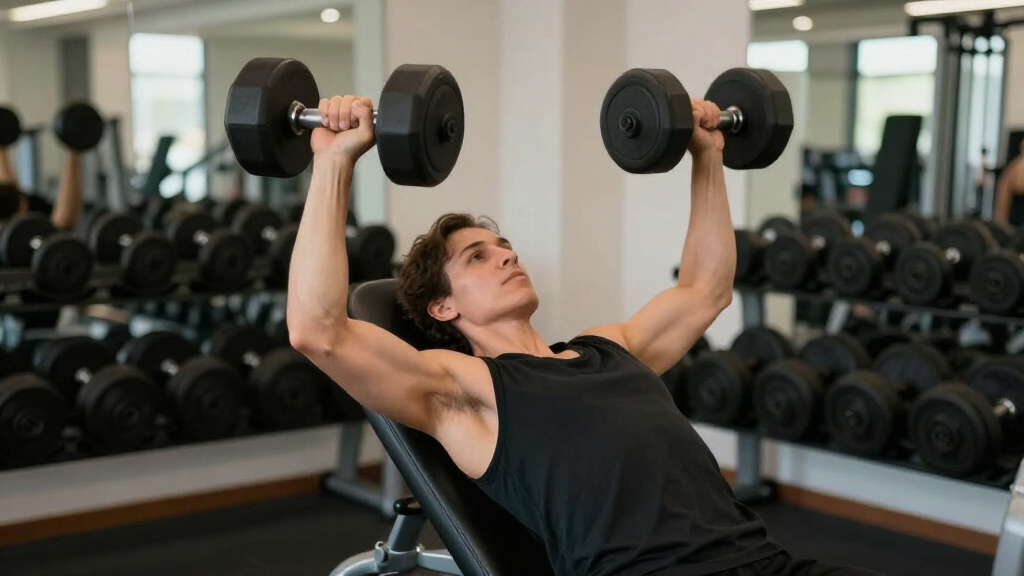
Unilateral training involves exercises like single-leg squats, lunges, or single-arm presses — movements that work just one limb at a time. This approach shines because it reveals weaknesses that bilateral exercises can hide. For example, if your right leg is stronger, your body might compensate during a two-legged squat, masking the imbalance.
By focusing on one limb, you can see exactly where your weak spots are. Fixing those gaps means better balance, less strain on joints, and decreased injury risk — especially important for athletes or anyone recovering from injury. Moreover, unilateral training forces each limb to work independently, removing the assistance or compensation from the stronger side. This means that your weaker side gets the necessary stimulus to catch up, which bilateral exercises might underestimate due to the dominance of the stronger limb. The tradeoff is that unilateral exercises can sometimes be more challenging to perform with proper form, especially at higher intensities, so attention to technique is critical to prevent injury and maximize benefit.
As an affiliate, we earn on qualifying purchases.
How Unilateral Exercises Correct Strength Imbalances in Real Life
Imagine trying to kick a ball or carry groceries — these are unilateral movements. If one leg or arm is weaker, it makes daily tasks harder and less safe. Unilateral training mimics these real-life actions, training your muscles to work independently and evenly.
For example, doing a single-leg Romanian deadlift can strengthen your hamstring and glute on one side, balancing out a previous weakness. Over time, this leads to a more symmetrical, stable body — reducing uneven wear and tear. The deeper significance is that our daily movements are rarely symmetrical; they are inherently unilateral. When our training reflects this reality, we develop more functional strength and resilience. The tradeoff is that unilateral exercises often take more time and focus, as working one limb at a time can be less efficient than bilateral movements. However, this efficiency loss is offset by the quality of gains—better balance, fewer injuries, and more durable movement patterns.
As an affiliate, we earn on qualifying purchases.
The Neuromuscular Boost of Unilateral Training — More Than Just Muscle
Unilateral training doesn’t just target muscles; it rewires your nervous system. Focusing on one limb at a time improves coordination, proprioception (that sense of your body in space), and muscle recruitment. When your brain learns to activate weaker muscles more effectively, your overall movement quality skyrockets.
This neuromuscular adaptation is crucial because many imbalances stem from poor neural activation rather than just muscle weakness. Improving neural efficiency means your muscles fire more synchronously, leading to more powerful and controlled movements. The tradeoff is that unilateral exercises demand greater concentration and can be more mentally taxing, especially when working with heavier weights or complex movements. Nonetheless, the enhanced motor control translates into better athletic performance and reduced injury risk, as your body learns to move with more precision and stability.
balance and stability training tools
As an affiliate, we earn on qualifying purchases.
As an affiliate, we earn on qualifying purchases.
The Science Says: Unilateral Training Makes a Difference
Research shows that unilateral exercises can cut strength gaps between limbs by as much as 10-15%. For athletes, this is a game-changer: imbalances are linked to higher injury rates, especially in the knees and ankles.
Recent studies also suggest that combining unilateral moves with bilateral workouts offers the best of both worlds — strength, stability, and balance. Advanced tech like force plates now helps trainers tailor programs precisely, focusing on the weaker side for faster, safer gains. The implications are clear: addressing imbalances not only improves performance but also significantly reduces injury risk. Overlooking these discrepancies can lead to compensatory movement patterns, which may cause joint stress and chronic injuries over time. The tradeoff in research is that unilateral training alone isn’t a silver bullet; it must be integrated thoughtfully with other training modalities for optimal results.
single limb strength training gear
As an affiliate, we earn on qualifying purchases.
As an affiliate, we earn on qualifying purchases.
Quick Fix: Simple Ways to Incorporate Unilateral Work into Your Routine
Ready to balance out those muscles? Here’s a straightforward plan:
- Select 2-3 unilateral exercises like single-leg squats, step-ups, or single-arm presses.
- Start with light weight or bodyweight to master form and avoid injury.
- Perform 2-3 sets of 8-12 reps on each limb, focusing on controlled, slow movements.
- Progressively increase load or reps as your weaker side catches up.
- Schedule unilateral work 1-3 times per week, especially during imbalance correction phases.
Bilateral vs. Unilateral: When to Use Each for Best Results
| Feature | Bilateral Exercises | Unilateral Exercises |
|---|---|---|
| Examples | Squats, deadlifts, bench press | Single-leg squats, lunges, single-arm presses |
| Main Benefit | Build overall strength efficiently | Correct imbalances, improve stability |
| Ideal Use | When focusing on maximum strength gains | During rehab, imbalance correction, functional training |
Both have their place. Use bilateral exercises for heavy lifting, then add unilateral work to fix weaknesses and boost control. Recognizing the tradeoffs helps you craft a balanced program—bilateral exercises are efficient for building raw strength, but unilateral movements are essential for addressing specific deficits that could lead to injury or limit performance.
Avoid These Common Mistakes When Doing Unilateral Exercises
Unilateral training is powerful, but only if done right. Here’s what to watch out for:
- Neglecting form — using poor technique can cause injury. Because unilateral exercises often challenge balance, improper form can lead to falls or joint strain. Prioritize slow, controlled movements and consider working with a trainer initially.
- Progressing too fast — adding weight before mastering control increases injury risk. Focus on mastering technique with bodyweight or light weights before increasing load.
- Ignoring the weaker side — only focusing on the stronger limb defeats the purpose. Always ensure each side is trained equally and monitor progress to prevent reinforcing imbalances.
- Overtraining one side — balance volume across limbs to prevent overuse injuries. If one side is weaker, don’t overcompensate by doing excessive reps or sets that could lead to fatigue and injury.
Frequently Asked Questions
Can unilateral training really fix my strength imbalances?
Yes. When you target your weaker side with unilateral exercises consistently, it can help close the gap between limbs, leading to more balanced strength and better movement control.How often should I do unilateral exercises?
Most people find 1-3 sessions per week effective. Adjust based on your goals, ensuring you give your weaker side enough attention without overloading it.Are unilateral exercises safe for beginners?
Absolutely. Focus on proper form and start with lighter weights or bodyweight. Gradually increase load as your strength and control improve.What are some good unilateral exercises for my legs?
Examples include single-leg squats, step-ups, Bulgarian split squats, and lunges. These movements target each leg independently, helping balance strength.Should I replace bilateral exercises with unilateral ones?
Not necessarily. Both have their place. Use bilateral moves for overall strength and unilateral work to correct weaknesses and improve stability.Conclusion
Fixing strength imbalances isn’t about endless reps or heavy weights. It’s about smarter, more targeted work. Unilateral exercises are your secret weapon — simple, effective, and practical.
Next time you hit the gym, focus on one limb at a time. Your body will thank you with better balance, fewer injuries, and more confidence in every move. Imagine a stronger, more stable version of yourself — that’s the real payoff.
Halloween Picks
halloween
As an affiliate, we earn on qualifying purchases.