TL;DR

Get workout gear delivered free with Prime
- Fast, free delivery on millions of items
- Prime Video, Amazon Music and more included
- Member-only deals all year
The squat, bench press, and deadlift form the foundation of strength training. Mastering proper technique, staying safe, and knowing recent innovations can boost your progress and reduce injury risk.
Imagine building a house on a shaky foundation. No matter how much effort you put in, it won’t hold. That’s what lifting without understanding the Big Three is like. These three moves — squat, bench press, and deadlift — are the backbone of strength training and powerlifting. Mastering them isn’t just about lifting heavy; it’s about doing it safely and efficiently.
In this guide, you’ll learn what makes each lift unique, how to perfect your form, and what recent innovations are shaping the way we train. Whether you’re just starting or looking to sharpen your skills, understanding these core lifts will give you a solid platform for growth.
Focus on mastering proper form before increasing weight to prevent injuries.
Use video recordings or coaching to refine technique and catch mistakes early.
Incorporate a gradual progression plan to steadily build strength over time.
Stay updated with new gear and science-backed training methods to enhance your lifts.
Prioritize safety, mobility, and listening to your body for sustainable progress.
How to Nail the Perfect Squat (and Why It Matters)
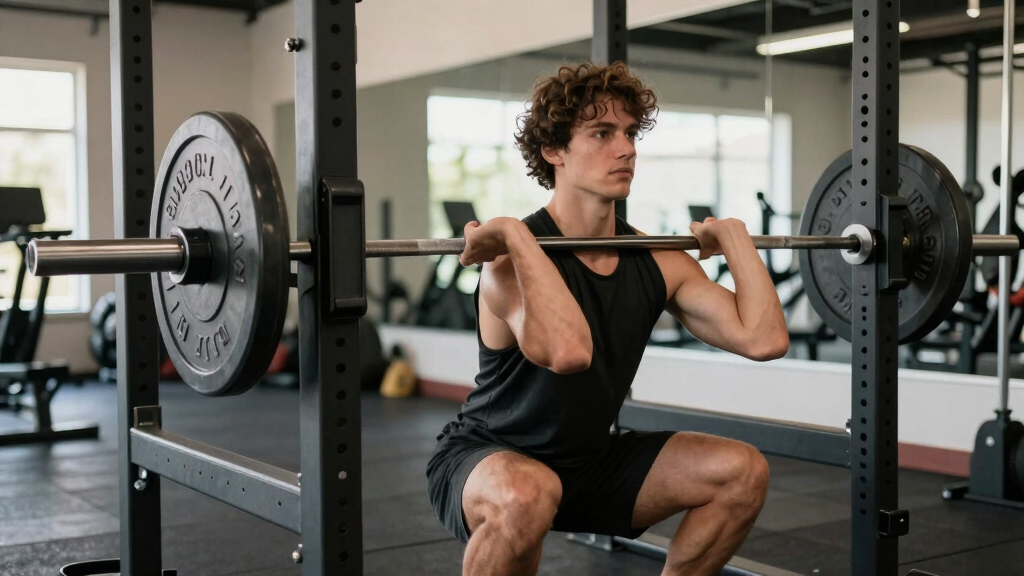
The squat is a powerhouse move that engages your thighs, hips, core, and even your back. A perfect squat looks like a controlled descent, with your knees tracking your toes and your hips dropping below parallel. Think of it as sitting into an invisible chair — deep, steady, balanced.
Deep squats are crucial because they activate more muscle fibers, especially in the glutes and hamstrings, which are essential for generating power and stability. When you fail to go deep enough, you limit your strength gains and may develop poor movement patterns that carry over into other lifts or daily activities. Conversely, going too deep with poor form can strain your knees or lower back. Finding the right depth and maintaining control ensures you maximize benefits while minimizing injury risk.
For example, imagine a friend who struggles with knee pain during squats. By focusing on proper depth and avoiding knees collapsing inward, they discover they can lift heavier and feel less discomfort. Using a mirror or recording your form can make a huge difference in catching subtle mistakes that compromise safety and effectiveness.
Pro tip: Keep your chest up, back flat, and core tight. Starting with bodyweight or light weights helps build the habit before adding more load. This approach emphasizes quality over quantity, which is vital for long-term progress and injury prevention.
As an affiliate, we earn on qualifying purchases.
Mastering the Bench Press Without Flopping Your Elbows
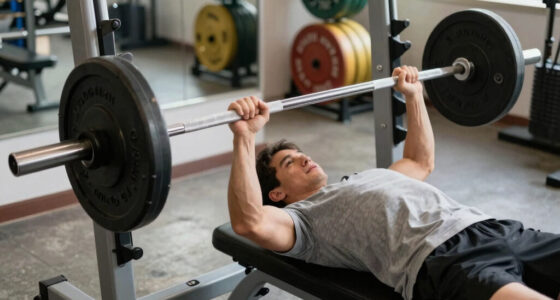
The bench press is a chest, shoulder, and tricep builder that looks straightforward but demands finesse. Proper form involves keeping your feet flat on the ground, shoulder blades retracted, and controlling the bar’s path. Think of pressing the bar in a slight arc, touching your chest lightly before driving upward. This controlled movement ensures that you engage the target muscles effectively and reduce strain on your shoulders.
Why does elbow flaring matter? Flared elbows can increase shoulder joint stress, raising the risk of injury over time, especially during heavy lifts. It also shifts emphasis away from the chest to the shoulders and triceps, which might not align with your training goals. Maintaining a moderate elbow angle helps distribute forces evenly and keeps your shoulders safe while maximizing chest activation.
Picture a beginner who bounces the bar off their chest to lift more. That’s risky and reduces muscle engagement. Instead, focus on lowering the bar slowly and touching lightly, then pressing firmly upward. This not only enhances muscle recruitment but also fosters better control and safety.
Tip: Use a spotter or light weights as you learn. Remember, a smooth, controlled movement beats a fast bounce every time. Over time, this disciplined approach builds strength more effectively and minimizes injury potential.
As an affiliate, we earn on qualifying purchases.
Why Deadlifts Are the Ultimate Total-Body Lift
The deadlift is often called the king of lifts because it hits everything from your grip and hamstrings to your lower back and core. It’s a simple movement — lift the bar from the ground to standing, keeping your back flat and hips engaged. But its simplicity masks its complexity and importance. Proper deadlift technique ensures you recruit multiple muscle groups efficiently, leading to greater strength gains across your entire body.
Imagine someone pulling a heavy suitcase from the floor. They keep their back straight and lift with their legs and hips. This analogy highlights the importance of using your hips and legs rather than your back to lift. Rounding your back or jerking the bar can lead to injury, especially over multiple repetitions or heavy loads. The deadlift teaches you to lift with your hips and legs in a coordinated manner, which is fundamental for safe lifting and functional strength.
Pro tip: Start with lighter weights to master the form. Focus on engaging your core and driving through your heels. This not only helps prevent injury but also maximizes power output, making every lift more effective.
Understanding the implications of proper form in deadlifting can help you avoid common pitfalls like back rounding or jerking the bar, which can cause long-term damage. The deadlift’s ability to strengthen multiple muscle groups simultaneously makes it invaluable, but only when performed with precision and attention to form.
As an affiliate, we earn on qualifying purchases.
Compare the Big Three: How They Stack Up
| Lift | Muscle Focus | Common Mistakes | Best For |
|---|---|---|---|
| Squat | Quadriceps, glutes, hips | Knees caving in, not going deep enough | Building leg strength, core stability |
| Bench Press | Pecs, shoulders, triceps | Bouncing bar, flaring elbows | Chest development, upper body strength |
| Deadlift | Hamstrings, glutes, back, grip | Rounding the back, jerking the bar | Total-body strength, grip endurance |
As an affiliate, we earn on qualifying purchases.
Simple Steps to Improve Your Big Three Technique
- Start with light weights or just your body. Focus on form, not how much you lift.
- Record your lifts or work with a coach. Visual feedback helps catch mistakes.
- Slow down your reps. Controlled movement is better than rushing for more reps or weight.
- Stretch and mobilize regularly. Flexibility in hips, shoulders, and hamstrings makes a big difference.
- Gradually add weight, listening to your body. Avoid rushing into heavy loads too soon.
Latest Tools and Ideas That Are Changing How We Lift
Recent innovations like biofeedback devices, smart sensors, and specialized gear are helping lifters refine their form and push their limits safely. For example, force plates can analyze your balance and power output, giving you real-time data to improve technique.
Plus, new gear like knee sleeves or powerlifting suits isn’t just flashy — it can provide support and stability, especially for those lifting heavy regularly.
Research also shows that personalized programming and recovery strategies boost progress. Staying updated with science-backed methods keeps your training effective and safe.
Quick Facts You Should Know About These Lifts
- The Big Three are the core of most powerlifting meets, governed by organizations like the IPF and USAPL.
- Proper technique can improve efficiency by around 20%, according to recent research.
- Deadlifts activate muscles from your grip to your lower back, making it a full-body powerhouse.
- Consistent practice and proper form reduce injury risk and enhance progress.
Your Top Questions About These Lifts Answered
- How do I learn proper form for the Big Three? Start with a qualified coach, watch videos, and lift light weights to master technique.
- What are common mistakes? Rounding the back in deadlifts, bouncing the bar in bench press, and not reaching proper depth in squats.
- How soon will I see progress? Beginners may notice gains in weeks, while advanced lifters might progress more slowly.
- Can I include these in a regular workout? Yes, with modifications and focus on form, they fit into most routines.
- Are they suitable for everyone? Most healthy individuals can benefit, but consult a professional if you have injuries or health concerns.
Conclusion
Getting solid with the Big Three lifts isn’t about lifting the heaviest weights right away. It’s about understanding your body, perfecting your form, and building a strong foundation. Think of each lift as a skill — practice consistently, stay curious, and keep safety front and center.
Remember, strength isn’t just about numbers. It’s about feeling confident, safe, and capable in every move. Your journey to better lifts starts with a single step — what’s yours today?
Fall Picks
fall essentials
As an affiliate, we earn on qualifying purchases.