TL;DR

Get workout gear delivered free with Prime
- Fast, free delivery on millions of items
- Prime Video, Amazon Music and more included
- Member-only deals all year
Stretching every day may not fix tight hips if underlying issues like muscle weakness, poor movement patterns, or nerve tension aren’t addressed. Combining strength, mobility drills, and posture correction is key to lasting relief.
Think you’re doing enough by stretching daily? Think again. Many people assume that a few minutes of stretching will keep their hips loose and pain-free. But if you still feel tight, it’s time to look beyond the stretch. Your hips are complex, and stubborn tightness often has hidden causes. Knowing what’s really going on can save you frustration and help you find real relief.
This guide will explain why your hips stay tight despite regular stretching, and what practical steps you can take to loosen them up once and for all. No hype, no magic pills — just clear, evidence-based advice to help you move better and feel more comfortable.
Stretching alone won’t fix persistent hip tightness if muscle weaknesses or imbalances exist.
Strengthening glutes and core can significantly reduce tension and improve mobility.
Neural tension and fascia restrictions can mimic muscle tightness and require targeted techniques.
Changing habits like sitting too long and incorporating movement breaks is crucial.
A combined approach of stretching, strengthening, and mobility work offers the best results.
Why Stretching Alone Usually Isn’t Enough
Stretching is like loosening a knot — but if the knot is caused by muscle imbalances or structural issues, stretching alone won’t undo the problem. When your hips stay tight despite daily efforts, it’s often because other factors are at play.
For example, if your glutes are weak or your core isn’t supporting your pelvis, your hip flexors might stay shortened and tight. This imbalance keeps pulling on the joint, regardless of how much you stretch.
Plus, static stretches only target certain muscles and often neglect others or fail to address neural tension (like sciatic nerve tightness). So, the tightness persists, making you wonder, ‘Why do I feel this way even after all my stretching?’
As an affiliate, we earn on qualifying purchases.
How Muscle Imbalances Keep Your Hips Tight
Imagine your hips as a busy city intersection. When some roads (muscles) are congested or weak, traffic (movement) gets stuck, causing tension and tightness. The most common culprits are weak glutes and core muscles, which fail to stabilize your pelvis.
Take Sarah, a desk worker who stretches her hip flexors every morning. Still, she feels tight and uncomfortable after long days at her computer. Her problem? Her glutes are weak, and her hip stabilizers aren’t doing their job. This imbalance pulls on her hips, making them feel tight — even with daily stretching.
Strengthening these muscles can shift the balance, reduce tension, and improve mobility. It’s not just about stretching — it’s about fixing the underlying weaknesses.
glute strengthening resistance bands
As an affiliate, we earn on qualifying purchases.
As an affiliate, we earn on qualifying purchases.
The Role of Neural Tension and Connective Tissue
Sometimes, tightness isn’t just muscular. The sciatic nerve or fascia (connective tissue) can cause sensations of tightness that stretching doesn’t fix. Neural tension occurs when nerves become compressed or irritated, mimicking muscle tightness.
Think of neural tension like a nerve getting pinched behind a busy highway barrier. You might stretch all day, but the nerve still feels tight or pinched because the root cause isn’t muscular.
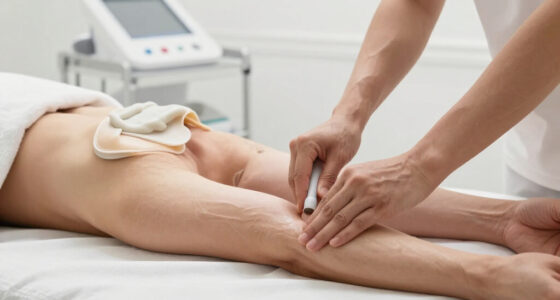
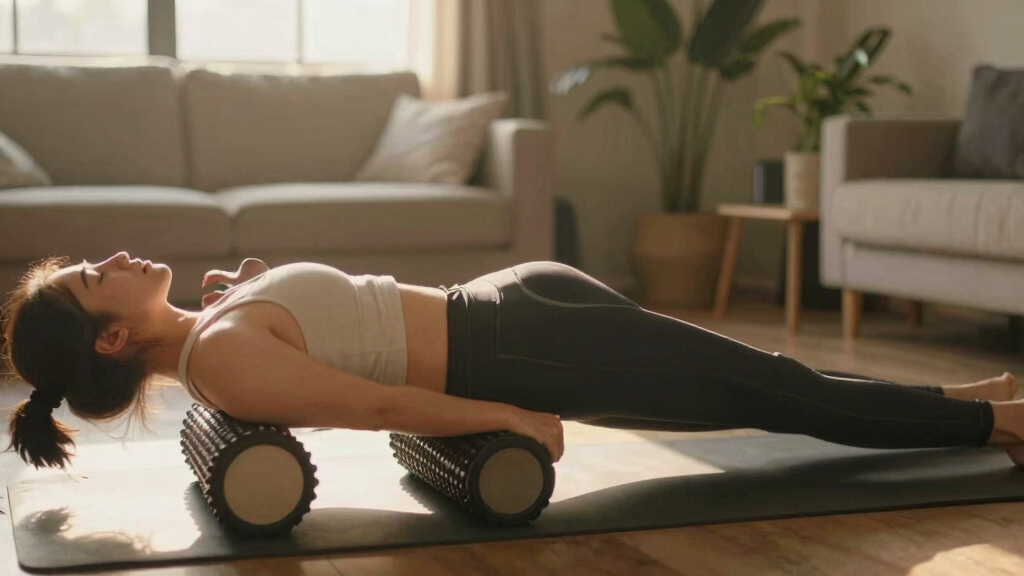
Similarly, fascia — the web of tissue surrounding muscles — can become stiff or sticky, limiting movement. Techniques like foam rolling or myofascial release target these areas and complement stretching.
sciatic nerve release massage ball
As an affiliate, we earn on qualifying purchases.
As an affiliate, we earn on qualifying purchases.
The Impact of Sitting and Movement Habits
Ever notice how your hips feel tight after a long flight or a full day at your desk? Sitting for hours shortens your hip flexors and slouches your pelvis forward, which over time tightens those muscles and the joint capsule.
For instance, a software developer working 8+ hours daily might wake up with stiff hips, feeling almost glued to the chair. The fix? Regular movement breaks, standing desks, or simple hip mobility routines during the day.
Changing habits and incorporating dynamic movement helps reset the tension and keeps your hips more adaptable.
As an affiliate, we earn on qualifying purchases.
A Smarter Approach: Combining Stretching, Strength, and Movement
Stretching isn’t magic — it’s part of a bigger toolkit. To truly loosen tight hips, you need to balance flexibility with strength and movement. Think of your hips like a garden: you need to water, prune, and support the plants, not just spray water on them.
Integrate dynamic stretches, strengthening exercises, and mobility drills. For example:
- Glute bridges to strengthen the posterior chain
- Hip circles and leg swings for mobility
- Posture checks and movement habits to prevent tightness from creeping back
This holistic approach ensures your hips stay loose and healthy long-term.
3 Practical Steps to Fix Your Hip Tightness Today
- Assess your habits: Are you sitting too much? Take breaks every 30 minutes to move and stretch.
- Strengthen weak muscles: Incorporate glute bridges, clamshells, and core exercises 3 times a week.
- Address neural and connective tissue issues: Use foam rolling on hips and thighs, and try gentle nerve gliding movements.
Follow these steps consistently, and you’ll start noticing improvements in your hip comfort and mobility.
Frequently Asked Questions
Why do I still feel tight in my hips even after stretching every day?
Stretching alone often doesn’t address underlying muscle weaknesses, imbalances, or neural issues. Combining stretching with strength training and movement correction yields better, lasting results.What stretches are best for hip tightness?
Dynamic movements like leg swings and hip circles, along with static stretches such as pigeon pose and hip flexor stretches, can help. However, they work best when paired with strengthening and mobility exercises.How can I improve hip mobility if stretching isn’t enough?
Add strength training for weak muscles, incorporate foam rolling for fascia, and practice movement patterns that challenge your hips in different planes. Consistency matters.Are there specific exercises to strengthen my hips?
Yes. Exercises like glute bridges, clamshells, lunges, and side-lying leg lifts target hip stabilizers and promote better mobility.When should I see a professional about my hip tightness?
If tightness persists despite your efforts, or if you experience pain, clicking, or limited movement, consult a physical therapist or healthcare provider for personalized assessment.Conclusion
Persistent hip tightness isn’t a sign of failure — it’s a signal that your body needs a more nuanced approach. By addressing muscle imbalances, neural tension, and habits, you can make real, lasting improvements. Your hips aren’t just tight — they’re telling you what needs attention. Listen, adapt, and give your hips the care they deserve.
Imagine moving through your day with freedom, no stiffness, no lingering discomfort. That’s the goal — and it’s within reach if you approach it with patience and a clear plan.
Halloween Picks
halloween
As an affiliate, we earn on qualifying purchases.