
TL;DR

Get workout gear delivered free with Prime
- Fast, free delivery on millions of items
- Prime Video, Amazon Music and more included
- Member-only deals all year
Massage guns deliver rapid, repetitive pulses to relax muscles by increasing blood flow and reducing tension. However, they can’t replace medical treatment or fix deep structural issues. Use them wisely for temporary relief, not as a cure-all.
Massage guns deliver rapid percussive impacts that boost blood flow and relax muscles temporarily.
They are not substitutes for medical treatment or addressing deep structural issues.
Use them with moderation—short, gentle sessions prevent soreness or tissue damage.
Proper technique involves starting slow, avoiding bony areas, and listening to your body.
Expect relief, not cures; integrate massage guns into a balanced recovery routine.
How Do Massage Guns Actually Work? Here’s the Simple Truth
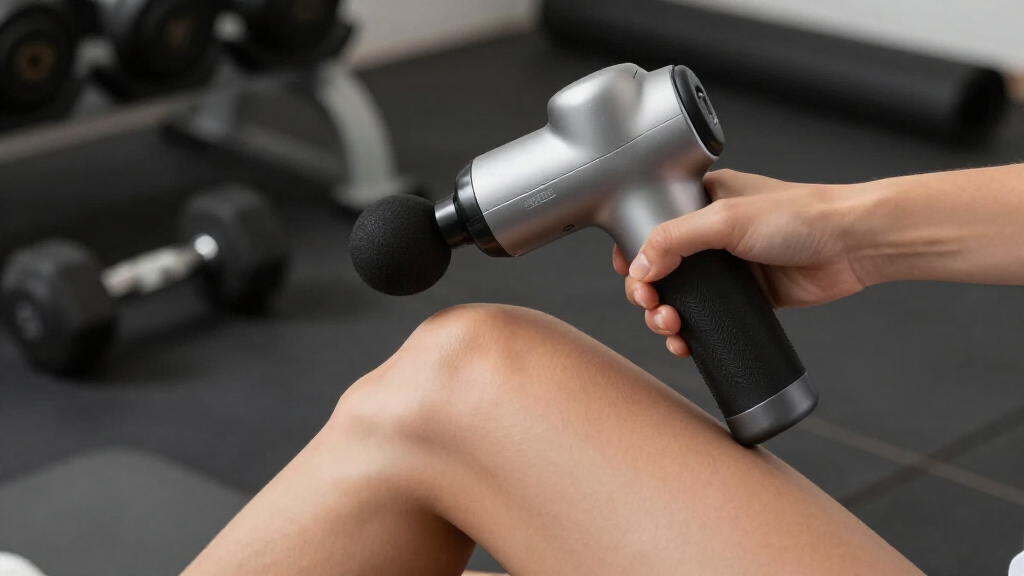
Massage guns, also called percussion therapy devices, deliver rapid, rhythmic impacts to muscle tissue. Inside, a motor drives a piston or similar part, creating impacts that penetrate the muscles like a gentle hammering. Think of it as a series of tiny, deep taps that stimulate blood flow and relax tight muscles.
These impacts target specific areas—say, that knot in your calf after a long run or a sore shoulder from working at your desk. The device’s variable speed and attachments let you customize the pressure and focus, whether you want a broad sweep or deep trigger point work.
Understanding this mechanism is crucial because it reveals why massage guns can be effective for temporary relief. The rhythmic impacts increase circulation locally, helping to flush out metabolic waste and bring fresh oxygen and nutrients. However, because they work superficially and temporarily, they can’t address the root causes of chronic issues or structural damage. Recognizing this helps you set realistic expectations and avoid overreliance on these devices for long-term solutions.
As an affiliate, we earn on qualifying purchases.
What’s New with Massage Guns? The Latest Tech and Trends
Modern massage guns have come a long way. Many now boast quieter motors—so you won’t wake the house during late-night recovery sessions. Battery life has improved, letting you use them longer between charges.
Some models connect to apps, guiding you through personalized routines or tracking your use. Features like heat modes or vibration add extra relaxation layers, making the experience richer. Plus, smaller, lighter designs mean you can toss them in your gym bag without hassle.
Scientific studies are also catching up, exploring how percussion therapy aids recovery. Early results suggest benefits for blood flow and soreness, but findings are mixed, so don’t see these devices as miracle cures. The latest tech enhances convenience and user experience, but the core therapeutic effects remain similar—temporary muscle relaxation and increased circulation. It’s important to understand that technological upgrades improve usability but do not fundamentally alter the limitations of percussion therapy. This means you should still use them as part of a broader recovery plan, not as a standalone solution.
As an affiliate, we earn on qualifying purchases.
Here’s Why Massage Guns Can’t Fix Everything
Massage guns are not magic. They aren’t a cure for chronic pain, deep structural problems, or injuries needing medical attention. Think of them as temporary relief tools, not fix-it devices.
For example, if you have a herniated disc or a torn ligament, a percussion device won’t address the underlying issue. It might feel good for a moment, but it won’t heal or realign bones or tissues. Relying solely on a massage gun in such cases can give a false sense of progress and delay seeking professional treatment, potentially worsening the condition.
Overdoing it can backfire. Excessive use can lead to bruising, soreness, or even tissue damage. It’s like tapping your muscles too hard—sometimes, less is more. Recognizing these limits is vital because misuse can cause more harm than good, especially if you’re unaware of underlying issues. Understanding that massage guns are superficial tools helps you avoid neglecting necessary medical interventions and emphasizes the importance of comprehensive care for complex problems.
As an affiliate, we earn on qualifying purchases.
The Top 5 Things Massage Guns Cannot Do (And What That Means for You)
- They won’t fix deep injuries or structural problems. Think of them as a quick tune-up, not a full repair. While they can temporarily soothe muscles, they cannot rebuild damaged tissues or correct misalignments. This means that if your pain stems from structural issues, relying solely on a massage gun might mask symptoms rather than treat the root cause.
- They don’t replace physical therapy or medical treatment. Use them alongside professional advice, not instead of it. They can be complementary, helping to relax muscles between sessions, but they should not substitute tailored rehabilitation programs or medical interventions that address underlying problems.
- They can’t address chronic or nerve-related pain. If your discomfort is persistent or involves nerve issues, a massage gun may provide some relief but won’t resolve the fundamental nerve dysfunction. Ignoring this can lead to prolonged discomfort or worsening conditions.
- Overuse can cause harm. Stick to short, gentle sessions. Excessive or aggressive use can damage tissues, cause soreness, or lead to bruising. Recognizing when to stop is crucial to prevent setbacks in recovery.
- They won’t instantly transform your recovery. Consistency, proper technique, and other recovery methods matter more. Using a massage gun sporadically or improperly will not produce significant improvements. Incorporate it as part of a holistic approach including stretching, hydration, and rest for best results.
For example, if your shoulder pain has lasted months, a massage gun might reduce some soreness temporarily but won’t fix the root cause. Think of it as adding a splash of oil to a squeaky hinge—helpful, but not the solution to a broken part. Recognizing these boundaries helps you focus on effective strategies and avoid false hope or unnecessary frustration.
As an affiliate, we earn on qualifying purchases.
Frequently Asked Questions
Are massage guns safe for everyone?
For healthy people, they are generally safe if used correctly. However, those with blood clotting issues, fractures, or skin infections should check with a healthcare professional first.How often should I use a massage gun?
Typically, 1-2 minutes per muscle group, a few times a day, is enough. Overuse can cause soreness or bruising, so pay attention to how your body responds.Can massage guns help with chronic pain?
They may offer temporary relief but are not a substitute for proper medical diagnosis or treatment. If pain persists, consult a healthcare professional.What’s the best way to use a massage gun?
Start with low speed, keep the device moving, avoid bony areas, and listen to your body. Use on dry, clean skin for comfort and safety.Are there risks or side effects?
Possible soreness, bruising, or tissue irritation if used improperly. People with certain health conditions should seek medical advice before use.Conclusion
A massage gun can be a useful addition to your recovery toolkit—when used wisely. Think of it as a helpful nudge to loosen tight muscles, not a magic wand. Respect its limits, stay safe, and pair it with other good recovery habits for best results. Now, next time you feel those knots, you’ll know how to tap into its real potential.Columbus Day / Indigenous Peoples' Day Picks
long weekend sales
As an affiliate, we earn on qualifying purchases.