TL;DR

Get workout gear delivered free with Prime
- Fast, free delivery on millions of items
- Prime Video, Amazon Music and more included
- Member-only deals all year
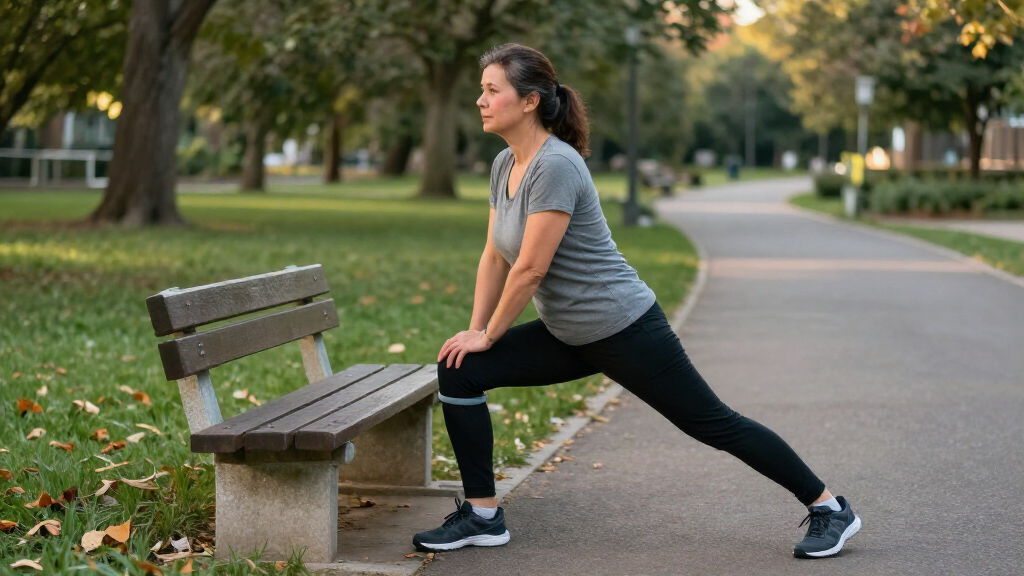
A Fit&Well writer reports adding child’s pose and a standing forward fold after daily walks to address stiffness in the hips, legs and back. Physiotherapist Helen O’Leary says the positions stretch soft tissues in the lower back, but the report does not establish that they work for everyone or prevent injury.
A Fit&Well writer says they have begun doing child’s pose and a standing forward fold after daily walks, reporting that the brief routine helps them feel less stiff through the day. Physiotherapist Helen O’Leary says certain stretches can alleviate discomfort after walking, though the report offers a personal account rather than evidence that the routine works for everyone.
The writer says walking is their daily form of exercise, usually lasting no longer than an hour. After moving to a hilly area, they noticed stiffness in their legs, hips and back, despite viewing walking as low-impact and not requiring recovery in the way they associated with other workouts. They now hold each of the two stretches for about one minute.
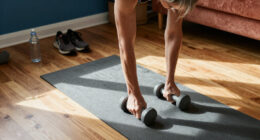
For child’s pose, the report instructs readers to kneel with the knees wider than hip-width, reach the arms forward and sit the hips back. For the standing forward fold, stand with feet hip-width apart and lower the arms toward the feet, keeping the knees bent; stop when a stretch is felt in the hamstrings.
O’Leary, identified as a physiotherapist at Complete Pilates, says post-walk stiffness or aching is common, particularly after a long walk, and that certain stretches can alleviate discomfort. She explains that both poses place the spine in flexion and stretch soft tissues in the lower back. The writer also links the stretches to walking as a routine-building strategy called habit stacking, pairing two activities to make daily stretching easier to remember.
A Short Routine After Hilly Walks
The report’s practical point is that a walk need not be strenuous for someone to notice stiffness afterward. The writer describes adding the two stretches to their routine after walks. The writer’s account is personal, however; it does not show that these stretches reduce soreness for all walkers, improve walking performance or prevent injury.
O’Leary’s explanation is that the poses move the spine into flexion and stretch soft tissues in the lower back. That is a physiotherapist’s explanation, not a guarantee of a specific result.
non-slip yoga mat for stretching and child's pose
As an affiliate, we earn on qualifying purchases.
As an affiliate, we earn on qualifying purchases.
Why the Writer Changed Their Routine
The writer says they had assumed a walk of less than an hour would not require recovery because it was low-impact and did not make them sweat. The change came after they moved to a hilly area and began noticing stiffness in their hips, legs and back. The account does not specify how long the symptoms had been occurring or provide a comparison of how they felt before and after each stretch.
The two selected poses address areas the writer says feel tight: the legs and hips, as well as the back, which they describe as their stiffest area. O’Leary adds that a side bend in child’s pose can direct the stretch more toward one side of the lower back. She recommends walking the hands to one side and sitting back into the opposite hip, then repeating on the other side.
“It is quite common to feel a bit stiff or achy after walking, particularly following a long walk, and certain stretches can alleviate that discomfort.”
— Helen O’Leary, physiotherapist at Complete Pilates
yoga knee pad cushion for kneeling stretches
As an affiliate, we earn on qualifying purchases.
As an affiliate, we earn on qualifying purchases.
What the Account Does Not Establish
The source does not give a publication date or report a study testing these two stretches after walking. The writer’s description of feeling less stiff is personal experience, and there is no quantified before-and-after measure. The report also does not establish that the routine prevents injury. It does not say whether the writer’s stiffness was assessed by a clinician.
O’Leary’s comments describe the poses and their possible role in stretching soft tissues of the lower back; they do not amount to an individualized assessment.
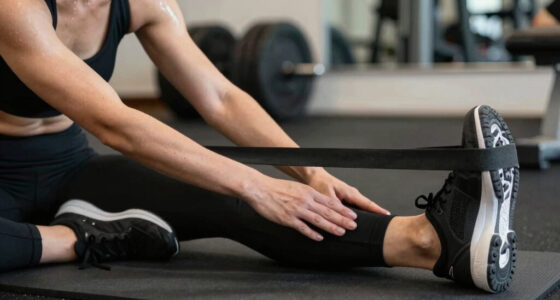
stretching strap for hamstring flexibility
As an affiliate, we earn on qualifying purchases.
As an affiliate, we earn on qualifying purchases.
How to Try the Two Poses
The report describes holding each position for about one minute after a walk. For the forward fold, it says to keep the knees bent and lower the arms toward the feet until a stretch is felt in the hamstrings. The source does not prescribe a progression, a minimum number of days or a particular walking distance before stretching.
O’Leary’s suggested side bend can be added to child’s pose by walking the hands to one side and sitting back toward the opposite hip, then changing sides. The writer reports feeling less stiff for the rest of the day, but the report does not quantify that outcome.
Key Questions
Which two stretches does the report describe?
It describes child’s pose and a standing forward fold, performed after a walk.
How long does the writer hold each stretch?
The writer says they hold each pose for about one minute. This is their routine, not a tested requirement for everyone.
What does the physiotherapist say the stretches may do?
Helen O’Leary says the poses put the spine into flexion and stretch soft tissues of the lower back, which may help alleviate discomfort after walking.
Do the stretches work for everyone or prevent injury?
The report does not establish either claim. It includes one writer’s experience and a physiotherapist’s explanation, not evidence of a universal effect or injury prevention.
How can child’s pose be adjusted to target one side?
O’Leary suggests walking the hands to one side and sitting back into the opposite hip, then repeating on the other side. Stop if the movement causes pain or worsens symptoms.
Source: rss
Halloween Picks
halloween
As an affiliate, we earn on qualifying purchases.