
TL;DR

Get workout gear delivered free — and shop member deals
- Fast, free delivery on millions of items
- Access to Prime Big Deal Days deals on October 6–7
- Prime Video, Amazon Music and more included
Most muscles need 24-72 hours to recover after a workout, depending on intensity, individual factors, and muscle group size. Proper nutrition, sleep, and active recovery support optimal healing, preventing overtraining and injury.
Ever finish a tough workout and wonder how long you should wait before hitting the same muscle again? The truth is, muscle recovery isn’t a one-size-fits-all timeline. It’s a dynamic process influenced by workout intensity, your body’s unique factors, and how you take care of yourself afterward.
Too often, people push too hard, too soon, risking injury and burnout. But understanding the real recovery window can help you train smarter, build resilience, and avoid the frustrating cycle of overtraining. In this guide, we’ll explore what recovery really looks like, how to tell when your muscles are ready, and simple strategies to support the process.
Most muscles recover within 24-72 hours, but larger muscles like legs may need closer to 3 days after intense workouts.
Signs of full recovery include reduced soreness, regained strength, and feeling energized during exercise.
Active recovery, proper nutrition, and sleep significantly speed up healing and prevent overtraining.
Listening to your body is the best guide — don’t push through persistent soreness or fatigue.
Avoid training the same muscle group intensely every day; give it time to fully repair.
What Actually Happens in Your Muscles After a Workout
When you lift weights or push your limits, your muscle fibers sustain tiny tears. This microscopic damage triggers your body’s repair system, which rebuilds the fibers stronger than before. Think of it like a patchwork project—each tear is a small hole, and your body fills it in with new protein strands, making the muscle thicker and more resilient.
For example, after a day of heavy squats, your quadriceps might feel sore and tight—a sign that your muscles are in repair mode. This process is essential for muscle growth, but it also means your muscles need time to fully recover before the next intense session. If you ignore this process and train too soon, you risk exacerbating microtears, which can lead to more pain, longer recovery times, or injury. Recognizing these biological changes helps you optimize your training schedule and avoid setbacks that slow progress.
As an affiliate, we earn on qualifying purchases.
How Long Do Muscles Need to Recover? The Real Deal
Most muscles take between 24 to 72 hours to recover fully after a workout. This range isn’t arbitrary; it reflects the complex biological process of tissue repair, which varies based on factors like workout intensity, individual fitness levels, and muscle size. Larger muscle groups, such as the legs, often require closer to 72 hours because they endure more stress and microscopic damage during heavy workouts. Conversely, smaller muscles like the biceps may recover faster, often within a day or two.
Understanding these timeframes is crucial because training a muscle group before it’s fully recovered can lead to cumulative fatigue, reduced performance, and increased injury risk. For example, if you do heavy squats on Monday, attempting another intense leg session on Tuesday can hinder recovery, leading to decreased strength, soreness, and potential overuse injuries. Being aware of this helps you schedule workouts more effectively, balancing intensity with adequate rest to maximize gains and minimize setbacks.
Recent research emphasizes that pushing muscles too soon not only stalls progress but can also cause overtraining syndrome, characterized by persistent fatigue, irritability, and decreased immunity. Recognizing recovery windows allows you to optimize training cycles, ensuring your muscles are ready to perform at their best each session.
As an affiliate, we earn on qualifying purchases.
Signs Your Muscles Are Ready for More — And When You’re Not
Knowing when your muscles are truly recovered can be tricky. Look for these signs:
- Reduced soreness — your muscles don’t feel as tight or tender. Persistent soreness indicates ongoing microtears and incomplete repair, which can hinder performance and increase injury risk if ignored.
- Strength returns — you can lift similar weights as before without extra fatigue. If strength feels diminished, your muscles may still be in repair mode, and pushing further could cause setbacks.
- Energy levels — you feel motivated and energized during your workout. Low energy or feelings of exhaustion suggest your body hasn’t fully recovered and needs more rest.
- No persistent pain or stiffness — your movement feels smooth and comfortable. Lingering stiffness or pain can be signs of inflammation or incomplete healing, signaling the need for more recovery time.
For instance, if your biceps still ache stiffly two days after a session, it’s a sign you should give them more time. Conversely, if you’re feeling strong and soreness is gone, it’s usually safe to train again. Listening to these cues helps you avoid pushing through pain that could lead to injury or overtraining, ultimately supporting sustainable progress.
As an affiliate, we earn on qualifying purchases.
Practical Tips to Speed Up Recovery and Avoid Overtraining
Recovery isn’t just about waiting. It involves active strategies that support healing and keep you moving forward safely.
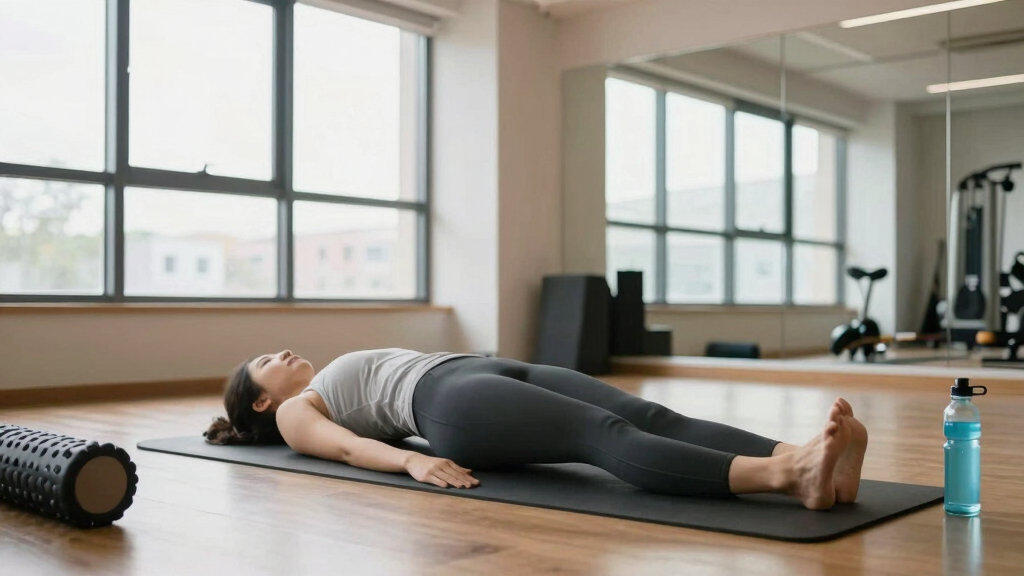
- Active recovery: Light activity like walking, gentle yoga, or swimming boosts circulation, which delivers nutrients and oxygen to damaged tissues, speeding up repair. This helps clear metabolic waste that accumulates during intense exercise, reducing soreness and stiffness.
- Nutrition: Prioritize protein (1.2-2.0 grams per kg body weight daily), healthy fats, and carbs to refuel and repair tissues. Adequate protein provides the amino acids necessary for muscle repair, while carbs replenish glycogen stores, and fats support hormone production. Ignoring nutrition can slow down recovery, prolong soreness, and impair muscle growth.
- Sleep: Aim for 7-9 hours of quality sleep to support hormonal balance and tissue repair. During deep sleep, your body releases growth hormone, which is essential for muscle regeneration. Chronic sleep deprivation hampers these processes, increasing recovery time and injury risk.
- Hydration: Keep fluids up to replace what’s lost through sweat and aid recovery. Proper hydration maintains cellular function, supports nutrient transport, and helps flush out waste products, all of which are critical for effective healing.
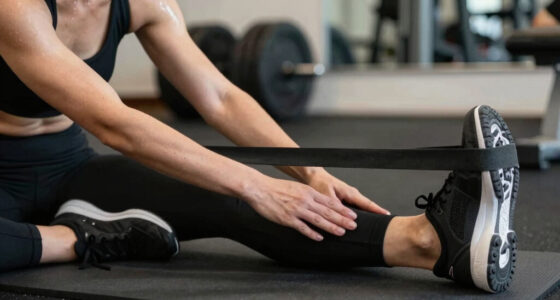
- Stretching and foam rolling: Gentle stretching and self-myofascial release can ease soreness, improve flexibility, and promote blood flow to damaged tissues. This reduces stiffness and accelerates the removal of inflammatory substances.
- Listen to your body: If persistent soreness or fatigue lingers, give muscles more time before the next session. Ignoring these signals can lead to overtraining, which not only stalls progress but also increases injury risk and hampers overall health.
For example, after a tough leg workout, a 20-minute walk or foam rolling session can help reduce soreness and prepare muscles for their next round, while also preventing overuse injuries.
As an affiliate, we earn on qualifying purchases.
Comparison: Active Recovery vs. Complete Rest — Which Works Better?
| Active Recovery | Complete Rest |
|---|---|
| Light movement like walking or stretching | No physical activity, just rest |
| Promotes circulation and reduces soreness | Allows complete tissue repair without stress |
| Can be done daily, even after intense workouts | Best after severe fatigue or injury risk |
Most experts recommend a combo: active recovery to keep blood flowing and complete rest when soreness is intense or fatigue is overwhelming. Balancing these approaches ensures your muscles get the benefits of movement without risking overtraining, optimizing both recovery speed and performance gains.
Frequently Asked Questions
How do I know if my muscles are fully recovered?
If soreness has subsided, strength feels back to normal, and you’re energized, your muscles are likely ready for the next workout. Listening to your body’s signals is key.
Can I train the same muscle group every day?
Generally, it’s best to wait at least 48 hours before working the same muscle again intensely. Overtraining can lead to injury and stall progress.
What are the best recovery methods?
Active recovery, proper nutrition, hydration, good sleep, and gentle stretching are proven strategies. Cold therapy or massage can also help but should be used judiciously.
Does soreness mean I’m not recovered?
Not necessarily. Soreness (DOMS) can linger after recovery, but persistent pain or fatigue indicates more rest is needed.
How does age affect muscle recovery?
Recovery tends to slow with age due to hormonal changes and decreased protein synthesis. Adjust your routines accordingly, especially as you get older.
Conclusion
Understanding that muscles usually need 1 to 3 days to recover prevents you from overtraining and helps you stay consistent without injury. Think of recovery as a vital part of your progress, not an interruption.
Next time you finish a session, ask yourself: do I feel ready for more? If not, give your body the time it needs. Your muscles—and your motivation—will thank you for it.
Fall Picks
fall essentials
As an affiliate, we earn on qualifying purchases.