TL;DR

Get workout gear delivered free with Prime
- Fast, free delivery on millions of items
- Prime Video, Amazon Music and more included
- Member-only deals all year
Coach Yancy Culp recommends five simple movement tests, including sitting on the floor and standing without using the hands. The sitting-rising test has been linked in research to mortality risk, but difficulty with the movement alone cannot diagnose a health problem or predict an individual’s outcome. Culp suggests daily knee rolls to practise hip mobility and transitions, with support as needed.
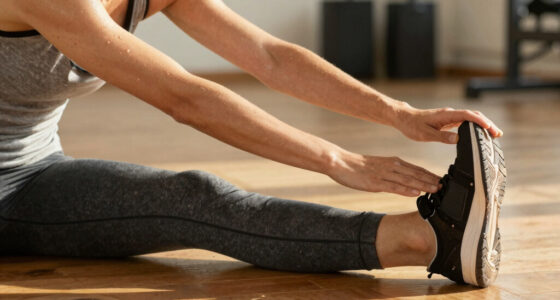
Coach Yancy Culp recommends a simple floor-to-stand test as one way to check basic movement: sit on the floor, then stand without using your hands. Fit&Well reported that the test can highlight difficulty with mobility, strength and balance, but an inability to complete it is not, by itself, a diagnosis or proof that a person faces a particular health outcome.
Culp, a coach and co-creator of Spartan DEKA, designed five informal fitness checks to help people assess whether they can still manage basic movements. Along with rising from the floor without hand support, the checks ask whether someone can stand on one leg while doing a task, hold a plank for 30 seconds, perform two reverse lunges and walk briskly for 20 minutes. These are screening-style exercises, not a clinical assessment.
The floor-to-stand check resembles a version of the sitting-rising test, developed by Brazilian researchers in the 1990s to assess muscular strength and flexibility. Fit&Well cited a 2014 study in the European Journal of Preventive Cardiology that found an association between lower scores on that test and higher mortality rates. The source does not provide details of the study’s participants, effect size or how well the result predicts outcomes for any one person.
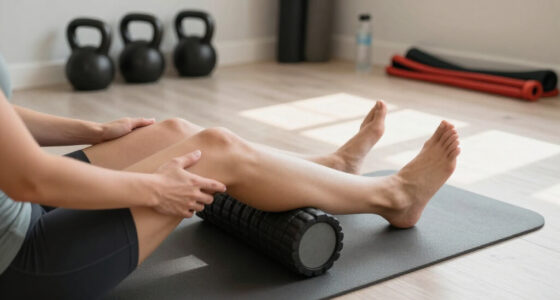
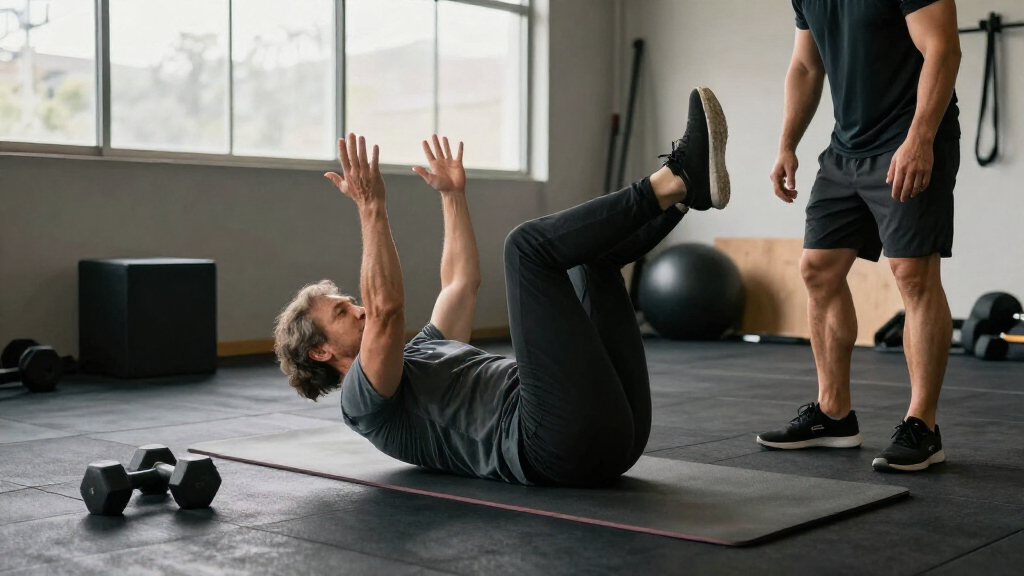
After the reporter struggled with the movement, Culp recommended practising knee rolls. Start seated with knees and lower legs on the floor, knees angled to one side and feet to the other. Lift the knees and roll them across until they touch the floor on the opposite side, keeping the feet in contact with the ground. Culp suggests repeating the movement for 20 repetitions daily; using the hands for stability is acceptable when needed.
A Movement Check, Not a Diagnosis
Getting up from the floor draws on several abilities at once, including hip mobility, balance and leg strength. Finding the movement difficult may offer a practical prompt to work on those abilities or discuss a change in function with a health professional. It does not establish why the movement is difficult, and a single test cannot tell someone whether they are healthy overall.
The study association matters as population-level research, but it should not be turned into a personal forecast. A lower score being associated with higher mortality in a study does not mean that a person who needs their hands to stand will experience a specific outcome. Age, health conditions, pain, injury, body size and the exact way a test is performed can all affect performance; the supplied report does not quantify those factors.
For readers, the useful distinction is between a movement check and a medical test. A person who has new or worsening difficulty, pain, dizziness, repeated falls or concerns about safe exercise should seek individual advice rather than forcing repeated attempts. The drill is a suggested practice option, not a treatment for an underlying condition.
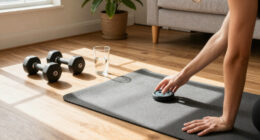
non-slip exercise mat for floor mobility exercises
As an affiliate, we earn on qualifying purchases.
As an affiliate, we earn on qualifying purchases.
How the Five Checks Fit Together
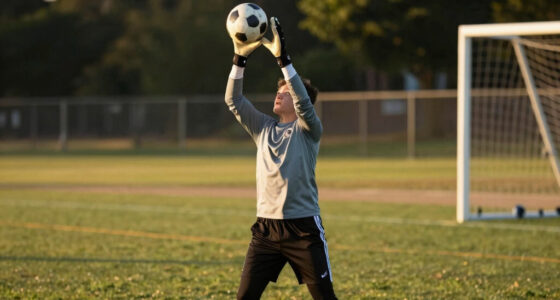
Culp’s five checks cover different everyday physical capacities rather than one overall fitness score. Standing on one leg while completing a task challenges balance under distraction; a 30-second plank tests the ability to hold a position; reverse lunges involve stepping and controlled leg movement; and a brisk 20-minute walk tests sustained activity. The floor-to-stand test combines several demands in one movement.
The original Fit&Well account describes its reporter failing the floor test and asking Culp for a way to improve. Culp’s response focused on hip and overall mobility, using knee rolls as a drill. He advises leaning forward at the end of each roll toward the leg in front, then using that leg for support when progressing toward standing. He says hands can be used as stabilisers during the transition when necessary.
The source does not present these checks as a validated scoring system, and it does not say that every person should be able to complete each one. Its account is a coach’s practical guidance paired with a research reference, not a report of a new clinical study or a change to official health recommendations.
“check in with their body and understand whether it’s still doing the basics well.”
— Yancy Culp, coach and Spartan DEKA co-creator, as quoted by Fit&Well
sturdy chair with arms for supported sit to stand exercises
As an affiliate, we earn on qualifying purchases.
As an affiliate, we earn on qualifying purchases.
Limits of the Test and Evidence
The supplied report does not include the full 2014 study, its sample size, the scale used to score the sitting-rising test, or the strength of the reported association. It therefore does not support calculating an individual’s risk from a failed attempt. Nor does it establish that practising knee rolls will change mortality risk or prevent illness.
It is also unclear how Culp’s informal version should be scored, whether it is suitable for people with different health conditions, or how much practice is needed to improve. The article gives a suggested routine but no comparative trial or evidence that this specific drill works better than other forms of mobility or strength training. Difficulty may have many causes, and the source does not assess them.
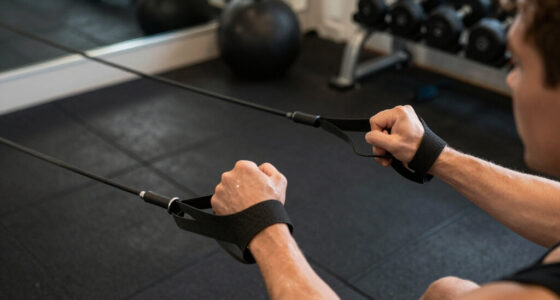
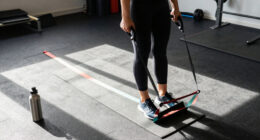
resistance bands for beginner leg strength and balance exercises
As an affiliate, we earn on qualifying purchases.
As an affiliate, we earn on qualifying purchases.
Practise Safely and Track Changes
Culp’s suggested starting point is to perform 20 knee rolls daily, keeping the feet on the floor and using the hands for balance if needed. The source says to work toward leaning forward and using the front leg for support when rising, but it does not provide a timetable for progress. Readers should treat the drill as optional practice, not as a requirement to pass a test.
Anyone with pain, recent injury, balance problems or a health condition should ask a clinician or qualified exercise professional how to adapt the movement before attempting it. Stop if the exercise causes pain or unsafe instability. For those who practise, the relevant next step is to notice whether the movement becomes easier over time, while seeking professional assessment if difficulty is new, worsening or affecting daily activities.
yoga knee pad cushion for floor exercises
As an affiliate, we earn on qualifying purchases.
As an affiliate, we earn on qualifying purchases.
Key Questions
What does the floor-to-stand test involve?
It asks a person to sit on the floor and stand back up without using their hands. Culp includes it among five informal checks of basic movement; it is not a clinical diagnosis.
Does needing your hands mean you have a health problem?
No. Needing hand support by itself does not identify a condition or predict an individual health outcome. Many factors can affect the movement, and a clinician can assess persistent or concerning difficulty.
What are knee rolls?
They are a seated drill in which the knees move from one side to the other while the feet stay in contact with the floor. Culp suggests 20 repetitions daily and says hands may be used for stability.
What did the 2014 study find?
As described by Fit&Well, the study in the European Journal of Preventive Cardiology found an association between lower sitting-rising test scores and higher mortality rates. The report does not provide enough study detail to use that finding as an individual prediction.
Source: rss
Halloween Picks
halloween
As an affiliate, we earn on qualifying purchases.