
TL;DR

Get workout gear delivered free with Prime
- Fast, free delivery on millions of items
- Prime Video, Amazon Music and more included
- Member-only deals all year
Eating the right foods before exercise fuels your workout and enhances performance. Avoid heavy, greasy, or sugary foods that cause sluggishness or stomach issues. Timing and composition are key for a successful session.
Ever wonder why some workouts feel effortless while others leave you sluggish or cramped? The secret often lies in what you eat beforehand. Your pre-exercise meal or snack sets the stage for energy, stamina, and comfort—or chaos.
In this guide, you’ll learn exactly what to fuel up on to maximize your workout and what sneaky foods quietly sabotage your efforts. Whether you’re hitting the gym, the yoga mat, or a brisk walk, your food choices matter more than you think.
Eat a balanced mix of carbs and protein 1-3 hours before exercise for sustained energy.
Avoid greasy, high-sugar, or high-fiber foods close to workout time—they can cause discomfort and fatigue.
Hydrate well beforehand—aim for about 16-20 oz of water an hour before exercise.
Caffeine can boost alertness and endurance if tolerated, but don’t overdo it.
Listen to your body—what works for one person may not work for another; experiment with timing and foods.
The 3 Best Foods to Power Up Before Your Workout
For a workout boost, focus on easy-to-digest carbs, a touch of protein, and staying hydrated. These foods provide the necessary energy without overloading your digestive system, which can cause discomfort or sluggishness during activity. The goal is to give your body quick access to fuel while avoiding ingredients that slow digestion or cause bloating. Think of your pre-workout meal as a carefully calibrated energy source—if chosen wisely, it can help you perform at your best and recover faster.
Here are three go-to options:
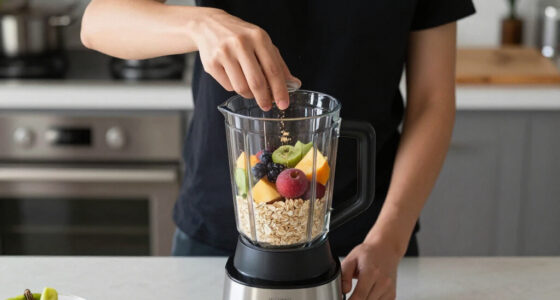
- Oatmeal with banana and a spoonful of nut butter: Provides slow-releasing carbs, healthy fats, and a bit of protein, supporting sustained energy release and muscle function.
- Greek yogurt with berries and honey: Offers quick energy with a protein punch and natural sugars, which can help fuel short, intense workouts or serve as a great recovery snack.
- Whole-grain toast with avocado and an egg: Combines complex carbs, healthy fats, and protein, promoting longer-lasting energy and preventing mid-workout crashes.
Timing matters. Eating these 1-3 hours before exercise allows your digestive system to process and store energy efficiently. If you’re short on time, a small snack like a banana or a handful of almonds 30-60 minutes before can still provide a quick energy boost without causing discomfort. The key is to listen to your body—what works for someone else might need slight adjustments for you.
As an affiliate, we earn on qualifying purchases.
What Quietly Wrecks Your Workout Without You Realizing
Some foods might seem harmless but can subtly sabotage your workout by impairing digestion or causing discomfort. Heavy, greasy foods slow down the digestive process because they require more time and energy to break down, which can lead to stomach cramps, nausea, or sluggishness—especially when you’re active. Excessive fiber, while healthy in moderation, can cause bloating or cramping if eaten right before exercise because it increases intestinal activity and gas production. These effects not only diminish comfort but also divert blood flow away from muscles to aid digestion, reducing your performance capacity.
Here’s what to watch out for—and why they matter:
- Fried foods and fast food: These are high in unhealthy fats that slow digestion, leading to feelings of heaviness and sluggishness during your workout, which can impair your ability to move freely or perform optimally.
- High-sugar snacks and sodas: They cause rapid spikes and crashes in blood sugar levels, resulting in energy peaks followed by fatigue, making it harder to sustain effort or focus during exercise.
- Large, heavy meals: Overeating can cause a feeling of fullness and nausea, and blood flow is diverted to aid digestion rather than your muscles, impairing strength and endurance.
- High-fiber foods right before exercise: While fiber is beneficial for overall health, consuming it in large amounts just before activity can cause cramping, bloating, and gas—distractions that undermine your focus and comfort.
Choosing these foods without awareness can lead to a hidden energy drain. The tradeoff is that while these foods might be tempting or convenient, they often quietly impair your body’s ability to perform and recover efficiently. Being mindful of what you eat can make the difference between a smooth, productive workout and one hampered by avoidable discomforts.
As an affiliate, we earn on qualifying purchases.
Timing and Portion Tips for Pre-Workout Meals
When you eat and how much you eat are crucial for optimizing your workout. Eating too close to exercise, especially a heavy or fatty meal, can cause sluggishness, bloating, or nausea because your body is still working to digest the food. Conversely, waiting too long might leave you without enough energy during activity. Aim for a balanced meal 1-3 hours before exercise, giving your body enough time to digest and convert food into usable energy. If you’re pressed for time or prefer smaller meals, a light snack 30-60 minutes prior can provide quick energy without discomfort.
Here’s a simple step-by-step:
- Eat a nutritious, balanced meal 2-3 hours before your workout. Focus on carbs for energy, protein for muscle support, and healthy fats for sustained fuel.
- If you need a quick boost, snack on fruit or yogurt about 30-60 minutes before, which provides rapid energy without overwhelming your digestive system.
- Hydrate well—water is essential before, during, and after activity to optimize performance and recovery.
Overeating or consuming heavy fats just before your workout can slow you down or cause stomach upset. Conversely, eating too little might leave you lacking energy. Striking the right balance with moderate portions and digestion-friendly foods ensures you step into your workout feeling energized and ready to perform at your best.
As an affiliate, we earn on qualifying purchases.
Caffeine and Hydration: The Secret Performance Boosters
Caffeine can be a powerful performance enhancer—if you tolerate it well. It works by blocking adenosine receptors in your brain, which reduces the perception of fatigue and increases alertness. Consuming a cup of coffee or tea about 30 minutes before exercise can sharpen focus, boost endurance, and improve perceived effort, helping you push harder or longer. However, excessive caffeine intake can lead to jitters, increased heart rate, or dehydration, which counteract its benefits. It’s important to know your tolerance and avoid overdoing it.
Hydration is equally critical. Dehydration impairs muscle function, reduces endurance, and can cause cramping. Drinking about 16-20 ounces of water 1 hour before your workout helps ensure your body is ready to perform. During activity, sip regularly to maintain fluid balance, and after, replenish lost fluids to aid recovery. Combining proper hydration with moderate caffeine intake can give you a noticeable edge, but overuse can backfire—so moderation and listening to your body’s signals are key.
For example, Sarah drinks a cup of black coffee before her morning run, feeling more alert and capable of maintaining her pace without stomach issues. On the other hand, Jim notices that drinking a large milkshake before his weightlifting session leaves him sluggish and bloated, illustrating the importance of choosing the right fluids and timing.
As an affiliate, we earn on qualifying purchases.
Compare Your Options: Quick Reference of Pre-Workout Foods
| Food Type | When to Eat | Benefits | Watch Out For |
|---|---|---|---|
| Oatmeal with banana | 1-3 hours before | Sustained energy, fiber, potassium | Overeating may cause sluggishness |
| Yogurt with berries | 1 hour before | Quick carbs, protein | Too much sugar if not careful |
| Whole-grain toast with avocado | 1-2 hours before | Complex carbs, healthy fats | High fat may slow digestion |
| Banana or apple | 30-60 mins before | Easy to digest, quick energy | Limited protein |
Frequently Asked Questions
What should I eat if I only have 30 minutes before my workout?
Go for a small, simple snack like a banana, a handful of almonds, or a small yogurt. These are easy to digest and provide quick energy without feeling heavy.Are protein shakes enough as a pre-workout meal?
Protein shakes can be helpful, especially if combined with a carbohydrate source. However, they shouldn’t replace a balanced meal if you have enough time—adding some fruit or oats makes it more effective.Can I eat fruit before exercising?
Absolutely. Fruits like bananas, apples, or berries provide quick energy and are easy on the stomach—perfect for a light pre-workout snack.What foods should I avoid before working out?
Avoid greasy, fried foods, large meals, and high-fiber options right before exercise. These can cause bloating, cramps, or sluggishness during your workout.Does it matter what I eat if I’m doing light exercise or yoga?
For lighter activities, you can often get away with smaller snacks or even just hydration. Focus on feeling comfortable and energized without overloading your stomach.Conclusion
Your pre-workout eating choices can make or break your session. Stick to easily digestible carbs, moderate portions, and stay hydrated. That way, you’ll step into your workout feeling energized, not sluggish.
Remember, it’s all about fueling your body smartly—so next time, choose your snacks wisely and watch your performance soar. What you eat before exercise isn’t just fuel; it’s the secret to a better workout.
Halloween Picks
halloween
As an affiliate, we earn on qualifying purchases.