TL;DR

Get workout gear delivered free with Prime
- Fast, free delivery on millions of items
- Prime Video, Amazon Music and more included
- Member-only deals all year
The right pre-workout foods provide quick, easily digestible carbs and moderate protein, fueling your effort without causing discomfort. Avoid heavy, greasy, or sugary foods that can lead to sluggishness or stomach issues, and stay well-hydrated for best results.
Imagine starting your workout feeling sluggish, bloated, or jittery. It’s often not the workout itself but what you ate (or didn’t eat) beforehand. A simple snack or meal can make the difference between a high-energy session and one marred by discomfort or fatigue. Today, you’ll learn exactly what fuels your body best, and what quietly wrecks your efforts without you noticing.
Understanding the right timing, macronutrient balance, and common pitfalls can help you get more out of every sweat session. Whether you’re hitting the gym, going for a run, or doing yoga, your pre-workout choices matter more than you might think.
Eat a small, carb-rich snack about 30 minutes to an hour before your workout for quick energy.
Avoid greasy, high-fat, or sugary foods right before exercise—they slow digestion and cause discomfort.
Stay hydrated throughout the day and drink water before and during your workout.
Timing matters, but overall daily diet and food choices are more important than precise timing.
Listen to your body—adjust your pre-workout foods based on how you feel during exercise.
When to Eat for Peak Performance
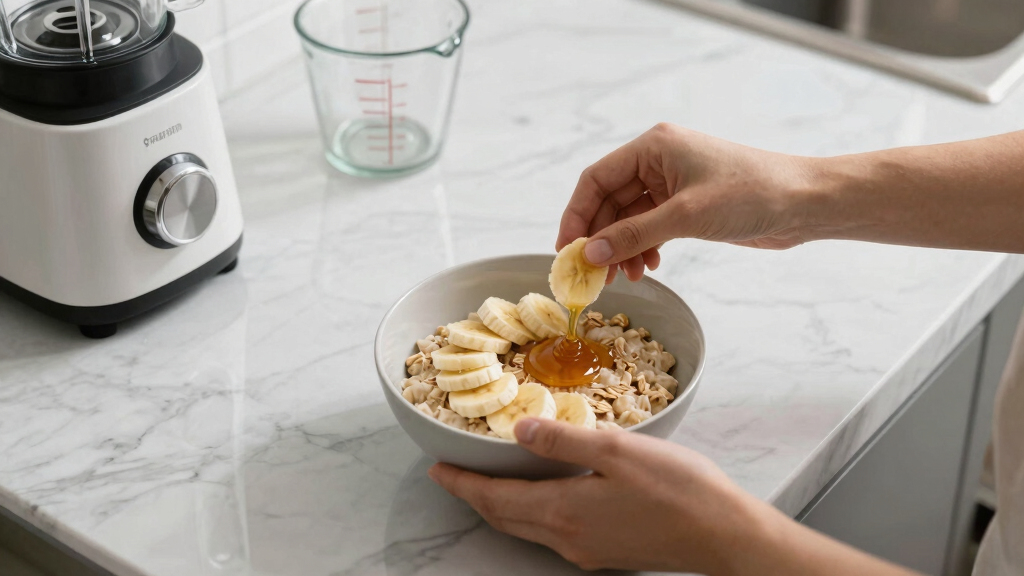
The first step is timing. Eating 30 minutes to 3 hours before your workout allows your body to digest the food and convert it into usable energy, which can significantly influence your performance and comfort. For instance, consuming a banana or a small bowl of oatmeal about an hour prior can provide a quick, accessible energy boost without feeling heavy or sluggish. If you eat too close to your workout, your body may still be busy digesting, leading to discomfort or sluggishness. Conversely, waiting too long might leave you low on accessible fuel, especially during high-intensity sessions.
Personal digestion varies—some people might feel fine eating closer to their workout, while others need a longer window. Recognizing how your body responds can help optimize your timing. Essentially, this window is about balancing the need for energy with comfort, ensuring your stomach isn’t working overtime while you exercise.
As an affiliate, we earn on qualifying purchases.
What Macronutrients Power Your Workout (and What Wrecks It)
Carbohydrates are your primary fuel source because they are quickly accessible and efficiently converted to energy, especially during high-intensity or endurance workouts. Consuming simple carbs like a banana or berries can rapidly elevate blood sugar levels, providing immediate energy. Protein plays a supportive role, aiding in muscle repair and recovery, which becomes especially important if your workout is strength-based or prolonged. However, fats digest slowly and can cause discomfort or sluggishness if eaten too close to exercise. For example, a greasy burger or fried chicken might take hours to digest fully, and consuming it before a workout can divert blood flow to your stomach, impairing performance.
The key is balance: prioritize carbs for immediate energy, include moderate protein for recovery support, and limit fats immediately before exercise. Understanding these tradeoffs helps you choose foods that optimize energy without risking discomfort or sluggishness. For example, opting for a small portion of nuts or avocado can provide healthy fats without overwhelming your digestion, but timing is crucial.
quick digestible carbohydrate supplements
As an affiliate, we earn on qualifying purchases.
As an affiliate, we earn on qualifying purchases.
Common Foods That Help (And Hurt) Your Workout
| Good Options | Quietly Wrecks It |
|---|---|
| Banana with a teaspoon of peanut butter | Fried fast-food burger |
| Oatmeal with berries and honey | Large cheeseburger or heavy pasta |
| Greek yogurt with honey and fruit | Sugary soda or energy drinks |
| Whole-grain toast with avocado | High-fat fried snacks |
| Smoothies with fruit and protein powder | Heavy, greasy breakfast |
Choosing foods that digest easily ensures your stomach isn’t working overtime during your workout, which can lead to discomfort or sluggishness. For example, smoothies blend quick-digesting carbohydrates with protein, providing sustained energy without bloating. On the other hand, fried foods or heavy meals sit in your stomach longer, divert blood flow from your muscles to digestion, and can cause nausea or cramping. The goal is to select foods that give you energy without weighing you down or causing digestive distress, especially when consumed within an hour of exercise.
hydration water bottles for exercise
As an affiliate, we earn on qualifying purchases.
As an affiliate, we earn on qualifying purchases.
What Quietly Wrecks Your Workout Without You Noticing
High-fat, greasy foods slow digestion and can cause bloating, which not only feels uncomfortable but also physically hampers movement and performance. Large, heavy meals can lead to nausea, cramping, or sluggishness during exercise because your body is still busy processing a substantial amount of food. Sugary snacks or drinks might give a quick energy spike, but they often cause a rapid crash, leaving you feeling drained midway through your workout. Dehydration is another sneaky culprit—just a 1-2% loss in body water can decrease strength, focus, and endurance without obvious signs. Skipping hydration or drinking insufficient amounts quietly undermines your efforts, while working out on an empty stomach can leave you low on energy, especially during longer or more intense sessions. Recognizing these hidden pitfalls allows you to adjust your habits for optimal performance.
As an affiliate, we earn on qualifying purchases.
Quick Tips to Fuel Up Right and Avoid Wrecking It
- Eat a light carbohydrate snack 30-60 minutes before exercise. This provides quick energy without overloading your digestion, helping you perform at your best.
- Stick to simple, easily digestible foods—think fruits, yogurt, or toast—to minimize discomfort and maximize energy availability.
- Limit fats and high-fiber foods close to workout time. These can slow digestion and cause bloating or cramping, impairing your performance.
- Drink water steadily before and during exercise to maintain hydration, which is essential for muscle function and focus. Dehydration can quietly impair your strength and endurance without obvious signs.
- If you’re doing a long or intense session, consider sipping an electrolyte drink. This helps replenish minerals lost through sweat and supports sustained performance, especially in hot conditions or during extended activity.
Frequently Asked Questions
What should I eat if I only have 30 minutes before my workout?
Opt for easily digestible carbs like a banana, a small apple with peanut butter, or a handful of pretzels. These give quick energy without weighing you down.
Is it better to eat before or after a workout?
Both matter. Eating before fuels your session, while eating afterward helps recovery. If you’re pressed for time, focus on a small snack before and a balanced meal afterward.
Can I work out on an empty stomach?
Yes, especially if your workout is light or you prefer fasting. But for longer or high-intensity sessions, a small snack can boost your energy and endurance.
What if I feel bloated or uncomfortable during exercise?
Switch to lighter, low-fiber foods like fruit or yogurt. Avoid greasy or very fatty foods and make sure to hydrate well before starting.
Are supplements necessary for pre-workout fueling?
Not really. Whole foods like fruit, yogurt, or toast usually provide all you need. Some athletes use energy gels or amino acids, but they’re optional and should be used cautiously.
Conclusion
Getting your pre-workout nutrition right isn’t about perfection; it’s about making smarter choices that support your effort. Simple, light carbs, moderate protein, and plenty of water can help you feel energized and comfortable.
Next time you gear up for a workout, remember: what you eat shapes how you perform. Fuel wisely, avoid the sneaky foods that quietly wreck your session, and you’ll notice the difference in your energy and endurance.
Fall Picks
fall essentials
As an affiliate, we earn on qualifying purchases.