
TL;DR

Get workout gear delivered free with Prime
- Fast, free delivery on millions of items
- Prime Video, Amazon Music and more included
- Member-only deals all year
Breathwork can stimulate the parasympathetic nervous system, especially via the vagus nerve, helping you relax and reduce stress. Even a few minutes daily can make a noticeable difference in your body’s calmness and resilience.
Ever feel overwhelmed, your heart pounding, mind racing? You’re not alone. What if a simple, natural tool could calm that storm—without pills or fancy gadgets? Breathwork does exactly that. It’s a direct line to calming your nervous system, quick and accessible wherever you are.
In this guide, you’ll learn how intentional breathing influences your body’s involuntary functions, the science behind it, and practical techniques you can use today. Whether you’re managing daily stress or seeking a better way to handle anxiety, understanding breathwork’s power can transform your relationship with stress and calm your mind in seconds.
Slow, deep breathing stimulates the vagus nerve, activating your parasympathetic nervous system and promoting relaxation.
Regular practice of techniques like diaphragmatic and box breathing can increase heart rate variability, signaling better autonomic balance.
Breathwork is a quick, accessible tool that can be done anywhere to reduce stress and improve emotional resilience.
Science confirms that breath regulation influences brain regions involved in emotional control, making you calmer over time.
Start small, be consistent, and always listen to your body—breathwork is a gentle, powerful way to support your nervous system.
How Breathwork Calms Your Nervous System
Your breath is a direct line to the autonomic nervous system—the body’s autopilot for stress and relaxation. Slow, intentional breathing stimulates the vagus nerve, flipping the switch from fight-or-flight to rest-and-digest in seconds. No pills, no gadgets, anywhere you are.
What Happens When You Calm Your Nervous System
The autonomic nervous system (ANS) controls involuntary functions through two branches: the sympathetic nervous system (SNS), which triggers “fight or flight,” and the parasympathetic nervous system (PNS), which promotes “rest and digest.” Slow, deep breathing activates the PNS—your body’s natural chill button—slowing heart rate, lowering blood pressure, and reducing stress hormones like cortisol.
Slow Deep Breath
Breathe at 5–7 breaths per minute, diaphragm engaged
Vagus Nerve Stimulated
The major highway between brain, heart and organs activates
PNS Activated
Parasympathetic “rest and digest” response takes over
Body Calms
Heart rate slows, blood pressure drops, cortisol falls
Brain Shifts
Amygdala quiets; prefrontal cortex regains emotional control
The Top 4 Techniques That Calm You Fast
Four proven methods to activate your relaxation response—no equipment, no classes, just a few minutes anywhere.
Diaphragmatic Breathing
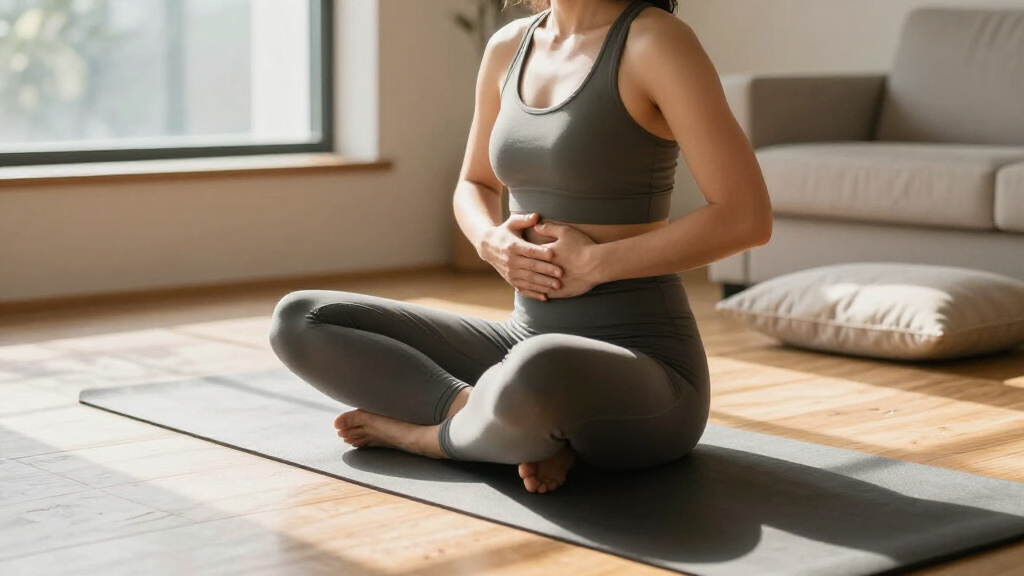
Breathe deeply into your belly, letting it rise and fall. Place one hand on your stomach, the other on your chest—aim for the stomach to do most of the work.
Best for: daily grounding · morning practiceBox Breathing
Inhale 4 seconds, hold 4, exhale 4, hold 4. Repeat for 1–5 minutes. The rhythmic square pattern creates a fast, calming effect—perfect mid-workday.
Best for: acute stress · focus reset in 2 minutesAlternate Nostril Breathing
Close one nostril with your finger, breathe in through the open side, switch, and breathe out through the other. Balances the nervous system and reduces stress.
Best for: anxiety · pre-sleep wind-downCoherent Breathing
Breathe at about 5–6 breaths per minute—roughly 5 seconds in, 5 seconds out—to maximize vagal tone and heart rate variability.
Best for: HRV training · long-term resilienceYour Breath Is the Dial
Breathing patterns act as a switch between stress and calm. Rapid, shallow breaths activate the sympathetic response; slow, deep breaths activate the parasympathetic branch.
What Science Tells Us
Recent research confirms measurable physiological changes from breathwork—these aren’t placebo effects. Neuroimaging shows breath regulation influences the amygdala and prefrontal cortex, shifting the brain from reactive to calm.
| Benefit | Time to Effect | Evidence Strength | Mechanism |
|---|---|---|---|
| Lower heart rate & blood pressure | Minutes | ✓ Strong | Vagal stimulation |
| Reduced cortisol levels | ~10 minutes | ✓ Strong | HPA-axis modulation |
| Higher heart rate variability | Weeks of practice | ✓ Strong | Improved vagal tone |
| Better sleep quality | Days to weeks | ~ Moderate | Pre-sleep PNS activation |
| Emotional regulation (brain imaging) | Per session | ✓ Strong | Amygdala–prefrontal shift |
“These effects aren’t just placebo—they’re backed by measurable physiological changes that improve your body’s ability to handle stress.”
Making It Part of Your Day, Hassle-Free
Consistency beats duration. Pair breathwork with activities you already do—no special equipment or classes required. Apps and biofeedback devices can guide your pacing and track progress.
5 min diaphragmatic breathing
Practitioners report feeling more centered and less reactive to minor frustrations throughout the day.
2 min box breathing at your desk
A quick reset during stressful moments—regain focus and calm nerves almost instantly.
Alternate nostril before bed
Breathe deeply during your wind-down routine to improve sleep quality and settle the nervous system.
Safety First: A Gentle, Powerful Tool
Breathwork is safe for most people, but it’s a support tool—not a replacement for medical or mental health treatment.
Generally Safe
- Non-invasive and drug-free
- Can be practiced anywhere, by most people
- Complements therapy and stress-management programs
- Used in clinical settings for PTSD and anxiety
Use Caution
- Consult a professional if you have respiratory or cardiovascular issues
- Avoid hyperventilating or forcing uncomfortable patterns
- If dizzy or lightheaded, stop and breathe normally
- Start slow—a few minutes, increasing gradually
What Exactly Happens When You Calm Your Nervous System?
The nervous system is your body’s autopilot for managing stress and relaxation. When you breathe slowly and deeply, you activate the parasympathetic branch—the body’s natural ‘chill’ button. This switch slows your heart rate, lowers blood pressure, and reduces stress hormones like cortisol.
Imagine you’re caught in traffic, feeling your pulse race. Taking a few deep, diaphragmatic breaths shifts your body from the fight-or-flight state to one of calm. That’s because slow breathing stimulates the vagus nerve—a major highway connecting your brain to your heart and organs—telling your body to relax.
guided breathwork meditation device
As an affiliate, we earn on qualifying purchases.
As an affiliate, we earn on qualifying purchases.
How Slow, Deep Breathing Activates Your Relaxation Switch
Breathing at a slow, steady pace—about 5 to 7 breaths per minute—triggers the vagus nerve, turning on your parasympathetic nervous system. This is the core mechanism behind breathwork’s calming effects.
For example, during a stressful moment, taking six deep breaths over 30 seconds can lower your heart rate and blood pressure within minutes. It’s like pressing a reset button for your body’s stress response.
According to recent studies, this type of breathing increases heart rate variability—a sign your nervous system is balanced and resilient.
vagus nerve stimulation breathing tool
As an affiliate, we earn on qualifying purchases.
As an affiliate, we earn on qualifying purchases.
The Top 4 Breathwork Techniques That Instantly Calm You Down
Here are four proven techniques to activate your relaxation response:
- Diaphragmatic breathing: Breathe deeply into your belly, letting it rise and fall with each breath. Place one hand on your stomach, the other on your chest—aim for the stomach to do most of the work.
- Box breathing: Inhale for 4 seconds, hold for 4, exhale for 4, hold for 4. Repeat for 1-5 minutes. This pattern creates a rhythmic, calming effect.
- Alternate nostril breathing: Close one nostril with your finger, breathe in through the open nostril, switch, and breathe out through the other. This balances the nervous system and reduces stress.
- Resonance or coherent breathing: Breathe at about 5-6 breaths per minute—roughly 5 seconds in, 5 seconds out—to maximize vagal tone and heart rate variability.
For example, during a stressful workday, a quick 2-minute box breathing session can help you regain focus and calm nerves almost instantly.
diaphragmatic breathing exercise kit
As an affiliate, we earn on qualifying purchases.
As an affiliate, we earn on qualifying purchases.
How Breathwork Supports Your Mental and Physical Resilience
Consistent breathwork practice doesn’t just calm you temporarily; it rewires your nervous system over time. Regularly engaging in slow, intentional breathing enhances your heart rate variability, making your body more adaptable to stress.
This resilience means you’ll respond better to daily challenges—less panic, more calm. Plus, the calming effect extends beyond mental health: blood pressure drops, sleep quality improves, and overall energy feels more stable.
For instance, someone who practices 5 minutes of diaphragmatic breathing every morning reports feeling more centered and less reactive to minor frustrations throughout the day.
As an affiliate, we earn on qualifying purchases.
What Science Tells Us About Breathwork’s Calming Power
Recent research confirms that specific breathing exercises can boost heart rate variability by up to 20%, indicating stronger parasympathetic activity. Studies also show reductions in cortisol levels—your stress hormone—by as much as 30% after just 10 minutes of deep breathing.
Neuroscientific studies using brain imaging reveal that breath regulation influences regions involved in emotional control, like the amygdala and prefrontal cortex. This means your brain literally shifts from a reactive to a calmer state with each mindful breath.
According to an anonymous researcher, these effects aren’t just placebo; they’re backed by measurable physiological changes that improve your body’s ability to handle stress.
Making Breathwork Part of Your Daily Routine Without Hassle
Incorporating breathwork into daily life is easier than you think. You don’t need special equipment or fancy classes—just a few minutes, anywhere. Set a timer for 3-5 minutes, choose a technique, and stick with it.
Try pairing it with daily activities: breathe deeply during your morning shower, or before bed. Use apps or biofeedback devices that guide your breathing and track your progress—making it both simple and motivating.
For example, during a busy workday, a quick 2-minute diaphragmatic breath at your desk can reset your mood and reduce tension.
What To Know Before You Start Breathing Your Way to Calm
Breathwork is generally safe for most people, but there are a few caveats. If you have respiratory or cardiovascular issues, check with a healthcare professional first. Avoid hyperventilating or forcing breath patterns that feel uncomfortable.
Start slow. Practice for a few minutes at a time, gradually increasing as your body adapts. If you feel dizzy or lightheaded, stop and breathe normally until you feel stable again.
Remember, this isn’t a cure-all. It’s a tool to support your nervous system, not replace medical or mental health treatment.
Frequently Asked Questions
How does breathing influence the nervous system?
Breathing patterns directly impact your autonomic nervous system. Slow, deep breaths activate the parasympathetic branch, helping you relax, while rapid, shallow breaths can activate the sympathetic ‘fight or flight’ response. Essentially, your breath acts as a switch between stress and calm.What are the most effective breathwork techniques for calming anxiety?
Techniques like diaphragmatic breathing, box breathing, and alternate nostril breathing are especially effective. They slow your breathing rate, stimulate the vagus nerve, and promote a sense of calm quickly—even during anxious moments.How long should I practice breathwork to see benefits?
Even just 2 to 5 minutes daily can produce noticeable effects. Consistency matters more than duration—regular practice trains your nervous system to respond more calmly over time.Can breathwork replace medication or therapy?
Breathwork is a helpful, non-invasive tool to support stress management but should complement, not replace, professional treatment when necessary. Always talk to a healthcare provider if you have health concerns.Are there any risks or contraindications?
Most people can safely practice breathwork. However, those with respiratory or cardiovascular issues should consult a professional before starting new techniques. Avoid hyperventilating or forcing breaths if you feel uncomfortable.Conclusion
Breathwork isn’t magic—it’s a simple, effective way to give your nervous system a break whenever stress hits. With just a few mindful breaths, you can switch from chaos to calm, anywhere and anytime.
Think of your breath as a natural dial that tunes your body’s stress levels. Next time life feels overwhelming, pause, breathe, and let your body remember how to relax. Your calm, resilient self is just a breath away.
Columbus Day / Indigenous Peoples' Day Picks
long weekend sales
As an affiliate, we earn on qualifying purchases.