
TL;DR

Get workout gear delivered free with Prime
- Fast, free delivery on millions of items
- Prime Video, Amazon Music and more included
- Member-only deals all year
Even a small spare bedroom can become an effective home gym with the right layout, equipment, and organization. Focus on space-efficient gear and smart setup to stay motivated and injury-free.
Imagine stepping into a cozy, clutter-free room lit by natural sunlight, with the scent of fresh rubber mats and a faint hum of your favorite playlist. That’s the magic of transforming a spare bedroom into a personal fitness sanctuary.
Whether you want quick morning workouts or a dedicated space to unwind after work, setting up a home gym doesn’t mean sacrificing your entire room or breaking the bank. It’s about making smart choices, maximizing space, and creating a zone you actually want to use.
Measure your room carefully and plan your layout around existing space and natural light.
Start with versatile, space-efficient equipment like resistance bands, dumbbells, and foldable cardio gear.
Use rubber mats or foam tiles to protect your floors, reduce noise, and improve safety.
Organize with vertical storage to keep your space tidy and accessible.
Create a motivating environment with good lighting, decor, and entertainment to stay consistent.
Measure and Plan Your Space for Maximum Comfort
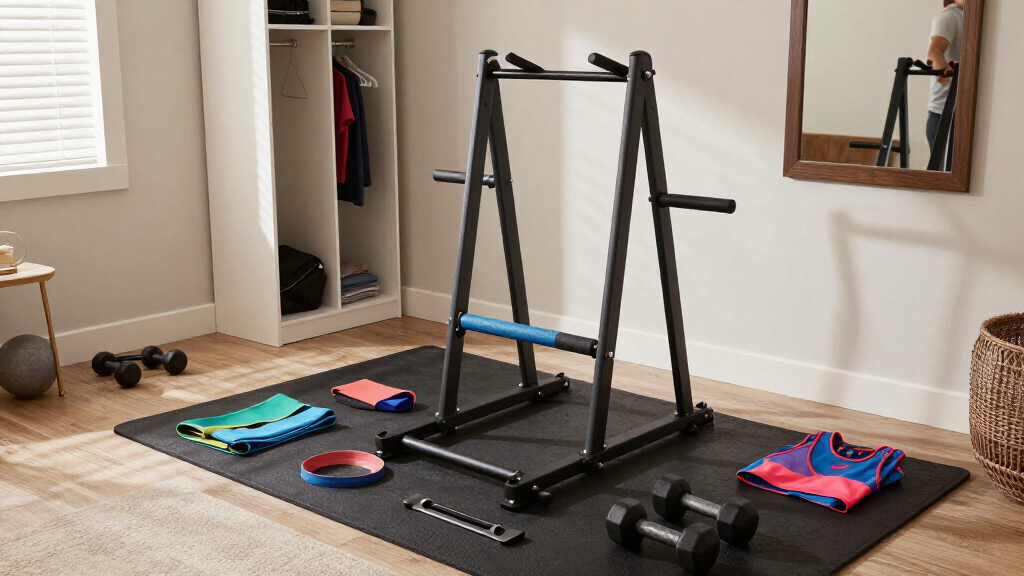
The first step is knowing exactly what space you’re working with. Grab a tape measure and jot down the room’s length, width, and height. A typical spare bedroom of around 10×10 feet can fit basic gear without feeling cramped.
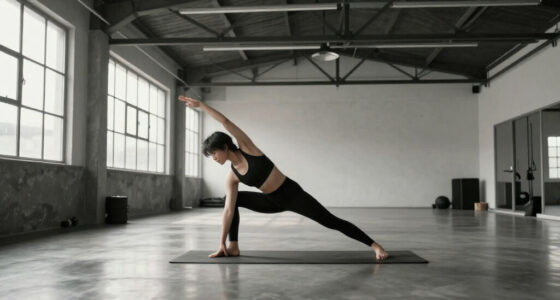
Think about the flow — you want enough room to move freely, especially if you plan to do cardio or bodyweight exercises. Use mirrors on the wall to create a sense of openness and help monitor your form during workouts.
For example, if your room is 10×10 feet, placing a foldable treadmill against one wall and leaving the center open for stretching or bodyweight moves works well.
foldable treadmill for small spaces
As an affiliate, we earn on qualifying purchases.
As an affiliate, we earn on qualifying purchases.
Choose Space-Saving, Versatile Equipment That Fits Your Goals
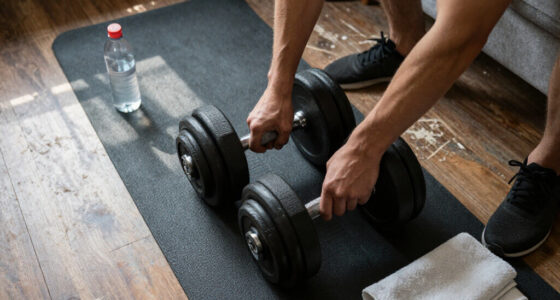
Start with essentials that serve multiple purposes. Resistance bands, adjustable dumbbells, and a yoga mat are compact, inexpensive, and adaptable for almost any workout.
If you want cardio, consider a foldable treadmill or a compact stationary bike that can be tucked away after use. For strength, think about wall-mounted racks or stacking storage bins for dumbbells and kettlebells.
Understanding why these choices matter is key: versatile equipment allows you to switch between different types of workouts without cluttering your space. Resistance bands, for instance, can target multiple muscle groups, improve flexibility, and take up minimal room. Adjustable dumbbells replace an entire set of weights, saving space and money, but they require you to switch weights during routines, which might interrupt flow. Foldable cardio machines maximize utility while maintaining a small footprint, but they often come at a higher cost and may have durability tradeoffs. Choosing equipment based on your goals and space constraints ensures you stay motivated and avoid clutter or unnecessary expenses.
As an affiliate, we earn on qualifying purchases.
Lay Down a Durable, Noise-Reducing Floor for Safety and Comfort
Protect your floors and cushion your joints with rubber mats or foam tiles. Not only does this reduce noise transmission, but it also creates a non-slip surface to keep you safe during high-impact moves.
For example, a thick rubber mat (about 3/8 inch) can absorb shock from jumps and weights, preventing damage to your existing flooring.
Proper flooring isn’t just about safety; it also impacts your workout quality. A good surface reduces the risk of slips and strains, especially during dynamic movements like box jumps or sprinting in place. It also minimizes noise, which is important if you share your space with others or live in an apartment. The choice of flooring can be a tradeoff between cost, durability, and ease of installation, but investing in quality mats pays off in safety and longevity, making your gym a more inviting space for consistent workouts.
adjustable dumbbells for space-saving workouts
As an affiliate, we earn on qualifying purchases.
As an affiliate, we earn on qualifying purchases.
Organize Your Gear to Maximize Space and Minimize Clutter
Use vertical storage solutions like wall hooks, shelves, or stacking bins. Hanging resistance bands and jump ropes keeps your floor clear. Adjustable dumbbell racks or wall-mounted weight holders make it easy to grab what you need.
Effective organization isn’t just about tidiness; it directly influences your workout efficiency and motivation. When your gear is accessible and well-arranged, you spend less time searching and more time exercising. For example, installing a small shelf above your workout area for small items like water bottles, towels, or supplements keeps everything within reach. Hooks on the door or wall for resistance bands and jump ropes prevent tangling and clutter. Well-planned storage solutions also help protect your equipment from damage and make maintenance easier, ensuring your space remains inviting and functional for long-term use.
As an affiliate, we earn on qualifying purchases.
Create a Motivating Atmosphere with Lighting and Decor
Good lighting boosts your energy and focus. Natural light is ideal, but if that’s limited, add bright LED bulbs or adjustable lamps. Consider mirror placement to reflect light and make the room feel larger.
Decorate with inspiring posters, a sound system, or a TV for entertainment. The goal is a space that feels inviting, not like a gym in a closet.
Imagine finishing a workout and feeling energized by a vibrant color or a favorite playlist filling the room. Well-placed lighting and appealing decor can significantly enhance your mental motivation. Bright, well-distributed lighting reduces eye strain and fatigue, helping you stay alert during longer sessions. Mirrors not only aid your form but also reflect light, making the room appear more spacious. Personal touches, like motivational quotes or a dedicated playlist, turn your workout space into a sanctuary of focus and inspiration—crucial for maintaining consistency and enjoyment.
Keep It Budget-Friendly with DIY and Second-Hand Finds
You don’t need fancy gear to get started. Look for second-hand dumbbells, resistance bands, or mats online or at local thrift stores. DIY options like filling water bottles for weights or using a sturdy chair for step-ups save money.
Smart shopping and creative solutions keep your setup affordable and sustainable. For example, second-hand equipment might come with some wear, but with proper maintenance, it can serve you just as well as new gear. DIY solutions, like using filled water bottles as weights, are effective for light resistance training and help you customize your workout tools at minimal cost. Combining second-hand finds with DIY options allows you to build a comprehensive gym without breaking the bank, making regular workouts more accessible and less stressful financially.
Stay Inspired and Make Your Gym a Routine Habit
Design your space to motivate you. Add a calendar or progress chart, set clear weekly goals, and keep your favorite workout playlist ready. Consistency beats everything, even if your space is small.
For example, dedicating 30 minutes every morning in your new gym can become a refreshing daily ritual, especially if you keep your space clean and inviting.
Remember, the key is making your workout space a part of your life, not just a place to exercise. Creating visual cues like progress charts or motivational quotes can reinforce your commitment, while a designated time each day helps establish a routine. When your environment is aligned with your goals, it becomes easier to stay disciplined and make exercise a natural part of your daily schedule, transforming your space from merely functional to truly inspiring.
Frequently Asked Questions
How much space do I really need for a home gym?
Even an 8×8-foot corner can host a solid workout setup. Focus on quality over quantity, and ensure enough room to move freely, especially for cardio or bodyweight exercises.
What are the must-have pieces of equipment for beginners?
Resistance bands, adjustable dumbbells, a yoga mat, and a jump rope cover most foundational workouts. They’re budget-friendly, space-efficient, and versatile for many routines.
How can I soundproof my small gym to avoid disturbing others?
Use rubber mats, foam panels, and door seals to absorb noise and block sound transmission. These simple additions help keep your workouts quiet and neighbor-friendly.
Any quick tips for keeping my space organized?
Use vertical storage, hooks, and stackable bins. Keep frequently used items within easy reach and store seasonal or less-used gear out of sight.
What are some space-saving cardio options?
Foldable treadmills, wall-mounted racks, and compact ellipticals are great choices. Adjustable dumbbells also save space while allowing multiple weight options.
Conclusion
Transforming a spare bedroom into a home gym isn’t about fitting the most equipment. It’s about making smart choices that turn your space into a motivating, safe, and functional workout zone.
With a little planning and creativity, your small space can become your favorite part of the house — a place where effort meets comfort, and progress feels just within reach.
Fall Picks
fall essentials
As an affiliate, we earn on qualifying purchases.