
TL;DR

Get workout gear delivered free with Prime
- Fast, free delivery on millions of items
- Prime Video, Amazon Music and more included
- Member-only deals all year
Bumper plates are made of dense rubber, designed to be dropped safely, and keep your floors quiet. Iron plates are thinner, cheaper, and better for heavy lifting from a rack. Your choice hinges on your lifting style and home gym needs.
Imagine dropping a heavy weight from overhead and hearing a loud clang instead of a soft thud. That’s the difference bumper plates bring to your home gym. Whether you’re into Olympic lifts or just want a quiet, floor-friendly setup, understanding what separates bumper plates from iron plates can save you money, space, and frustration.
In this guide, you’ll learn how each type works, their pros and cons, and which one suits your lifting style. No fluff. Just clear, concrete info so you can build a smarter, safer workout space.
Bumper plates keep your bar at a consistent height, ideal for Olympic lifts and drop training.
Iron plates allow for more total weight in less space but are not meant to be dropped.
A hybrid approach — bumpers for overhead work and iron for heavy lifts — offers the best flexibility.
Quality bumpers are pricier but last longer and smell less; iron plates are budget-friendly and durable if cared for.
Always protect floors with mats or platforms, regardless of plate choice, to extend equipment life.
Bumper Plates vs Iron Plates: What’s the Difference?
Bumpers trade compactness for quiet, drop-ready protection. Iron trades impact tolerance for lower cost and far greater loading capacity. The right answer starts with how—and where—you lift.
Consistent pull height, lower noise and safer controlled drops.
Thinner plates put more total weight on the same bar sleeve.
Bumpers for floor work. Iron for heavy, controlled rack lifts.
Two plates. Two very different jobs.
Both can fit an Olympic bar, but their construction changes everything from bar height and floor noise to loading capacity and long-term care.
Bumper plates
Dense virgin or recycled rubber surrounds a metal core and steel center insert. The full-size diameter keeps the bar at a predictable height for Olympic pulls and floor work.
Iron plates
Cast iron or machined steel delivers a thin, compact profile. That leaves more sleeve space for lifters chasing heavy squats, benches and controlled deadlifts.
The differences that shape your gym
There is no universal winner. Bumpers dominate impact-heavy training; iron wins when price, precision and sleeve capacity matter most.
| Feature | Bumper plates | Iron plates | Practical impact |
|---|---|---|---|
| Material | Dense rubber over a metal core | Cast iron or machined steel | ~ Impact absorption vs compact density |
| Drop-ready | ✓ Yes, on a proper surface | ✗ No—impact can crack plates and floors | Critical for Olympic lifts |
| Diameter | ✓ About 450mm across weights | ~ Often smaller at lighter weights | Changes starting height from the floor |
| Thickness | ~ Thick; limits sleeve capacity | ✓ Thin; supports heavier loading | Important near 500+ lb loads |
| Noise | ✓ Quieter, softer impact | ✗ Loud clang and vibration | Matters for garages and neighbors |
| Typical price | ~ Roughly $2–4+ per lb | ✓ Roughly $1–2 per lb | Iron lowers the entry cost |
| Durability | Rubber can degrade; hubs may loosen | Can last decades if kept dry and controlled | ~ Care determines lifespan |
| Accuracy | Budget models may vary by 2–3% | Calibrated steel can reach ±0.25% | Competition lifters benefit most |
Thickness is the hidden constraint
A typical 20kg iron plate can be around 25mm thick, while a standard bumper of similar weight may approach 45mm. Competition bumpers narrow that gap—but at a premium.
Relative 20kg plate thickness
Illustrative dimensions vary by brand. The relationship is what matters: thinner plates preserve more usable bar sleeve.
$1–2/lb
$2–4+/lb
Choose by lifting style—not looks
Start with the movements you perform most often, then layer in practical constraints such as neighbors, flooring, budget and available sleeve length.
Pick bumpers
You lift from the floor, practice Olympic movements, drop controlled loads or need a quieter home-gym setup.
Pick iron
You squat, bench and pull heavy loads under control—and want the most weight for your money and sleeve space.
Build a hybrid
Use bumper pairs for floor and overhead work, then add affordable iron plates when the bar needs more load.
From training goal to smarter plate choice
Overhead, floor, rack or a mix?
Floor strength, noise and neighbors.
Check weight and sleeve capacity.
Bumper, iron or a hybrid stack.
Five takeaways worth remembering
Plate choice is an operating decision for your gym: it affects safety, sound, available load, movement consistency and long-term cost.
Bumpers preserve pull height
The standard 450mm diameter keeps the bar position consistent across plate weights.
Iron maximizes total load
A thinner profile leaves more sleeve space for very heavy controlled lifting.
Hybrid often offers the best value
Use bumpers where impact matters and iron where compact loading matters.
Quality changes the ownership experience
Better bumpers smell less and hold up longer; cared-for iron can last for decades.
Floor protection is never optional
Rubber mats or a lifting platform extend the life of plates, bars and the room itself.
Never drop iron plates. Avoid dropping thin 10 or 15 lb bumper plates alone on an otherwise empty bar—they can bend, wobble or “taco.” Even drop-rated plates belong on proper rubber flooring or a lifting platform.
What Are Bumper Plates and Why Do They Matter?
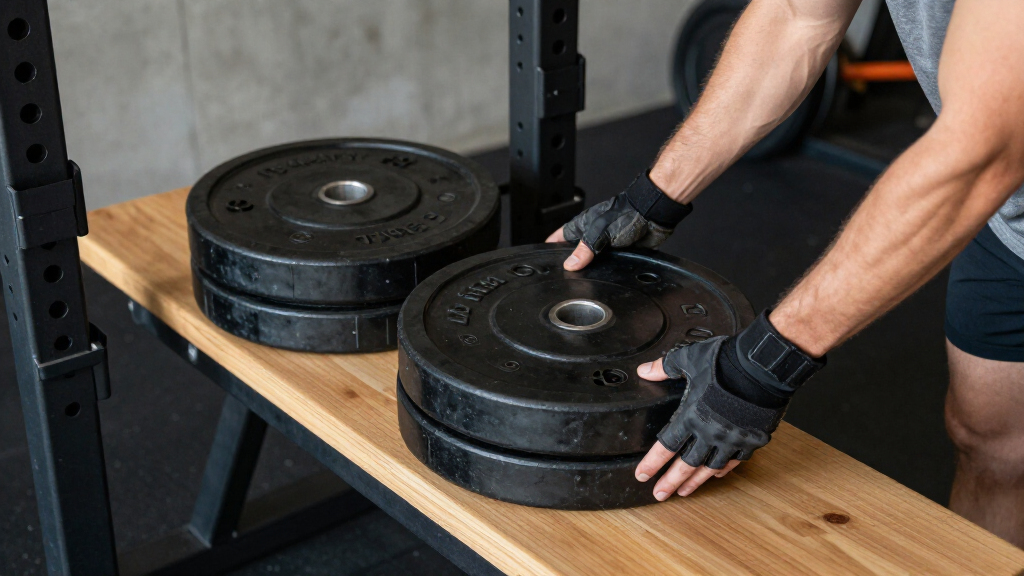
Bumper plates are thick, rubber-coated weights designed to be dropped from overhead without damaging floors or equipment. They are made of a dense rubber (virgin or recycled crumb rubber) over a steel or cast-iron core, with a standard 2″ (50.4mm) center hole to fit Olympic bars. When you see those colorful plates in CrossFit gyms or Olympic competitions, those are bumpers.
They stay the same diameter (about 450mm) regardless of weight, so the bar height remains consistent — crucial for precise lifts. For example, a 20kg bumper and a 25kg bumper are both 450mm in diameter, which keeps your pull height steady. This consistency helps prevent surprises when lifting overhead or doing high-rep drop sets.
Choosing bumpers means prioritizing safety and versatility. Their ability to absorb impact reduces stress on your joints and prevents damage to your floors, which is especially important in home gyms where surface quality varies. The tradeoff is that bumpers are more expensive and thicker, limiting the total weight you can load onto a bar without overcrowding. This thickness can also influence your grip and lifting mechanics, especially if you’re limited on space or using a shorter bar. The variety of bumpers—training, competition, high-temp—also reflects different durability and use-case requirements, so selecting the right type can extend your investment and improve your training experience.
rubber bumper plates for weightlifting
As an affiliate, we earn on qualifying purchases.
As an affiliate, we earn on qualifying purchases.
What Are Iron Plates and Why Do They Still Exist?
Iron plates are the traditional choice—cast iron or steel weights that have been used for decades. Their thinner profile allows you to load more weight onto a bar for a given space, making them popular among serious lifters and powerlifters aiming for maximum load. For example, a 20kg iron plate might be only 25mm thick, whereas a bumper of the same weight would be around 45mm thick. This compactness is crucial when space is limited or when you need to load very heavy weights without overloading the bar length.
Iron plates are favored for their cost-effectiveness—often $1–2 per pound—and durability. They can last for decades if handled carefully and stored properly. However, their durability comes with caveats: they are not designed to be dropped from overhead. Dropping them repeatedly can cause cracks, bends, or chips, which can compromise their safety and accuracy. This limitation influences their use: they are best suited for controlled lifts from a rack or platform where the plates can be gently lowered onto the bar, rather than dropped from above.
Some iron plates are coated with urethane or rubber to increase durability and reduce noise. These coatings also help prevent rust, which is common in steel plates stored in humid environments. Powerlifters often prefer calibrated, coated iron plates because they provide precise weight measurements and withstand heavy, controlled lifts. The tradeoff is that, while they are cheaper initially, their susceptibility to damage from dropping means they require careful handling, and replacing damaged plates can add to long-term costs.
In essence, iron plates remain relevant because they offer a cost-effective, space-efficient way to load heavy weights, provided you respect their limitations and handle them with care. Their longevity and straightforward design make them a staple for serious strength training, but understanding their fragility when dropped is key to maximizing their lifespan and safety.
As an affiliate, we earn on qualifying purchases.
Bumper Plates vs Iron Plates: Head-to-Head Comparison Table
| Feature | Bumper Plates | Iron Plates |
|---|---|---|
| Material | Dense rubber over steel core | Cast iron or steel |
| Drop-ability | Yes, designed for dropping from overhead | No, can crack or damage if dropped |
| Diameter | Consistent (about 450mm), regardless of weight | Varies with weight, often smaller for lighter plates |
| Thickness | Thicker, limits total load on bar | Thinner, allows more weight in limited space |
| Price per pound | Higher ($2–4+) | Lower ($1–2) |
| Floor noise | Absorbs impact, quiet | Louder, risk of floor damage if dropped |
| Durability | Can degrade over time, especially recycled rubber | Lasts decades if handled carefully, but vulnerable to impact damage |
| Use case | Olympic lifts, CrossFit, drop training | Heavy powerlifting, controlled lifts from rack |
As an affiliate, we earn on qualifying purchases.
Which Should You Pick? Match Your Plates to Your Lifting Style
If your focus is Olympic weightlifting, CrossFit, or creating a quiet workout environment, bumpers are your best choice. Their consistent diameter and dropability mean you can perform overhead lifts, high-rep drop sets, and fast transitions with confidence that your floors and joints are protected. The impact absorption reduces fatigue and injury risk, especially when training frequently or at high intensity.
Powerlifters or those emphasizing maximum load from a rack often prefer iron plates. Their thinner profile allows more weight to be loaded onto the bar, which is essential for pushing past plateaus. Additionally, their lower cost per pound makes high-volume training more affordable. But the key is understanding their limitations: they shouldn’t be dropped from overhead or from a height, as this can cause damage or injury. Using a platform or controlled lowering is essential to maintain safety and equipment integrity.
For a versatile setup, combining both types can be advantageous. Use bumpers for overhead lifts and drop sets, and iron plates for heavy, controlled lifts from the rack. This hybrid approach balances safety, cost, and performance, allowing you to adapt your training to different goals and space constraints, while also maximizing your investment in equipment.
As an affiliate, we earn on qualifying purchases.
Practical Tips for a Smarter Home Gym Setup
Here’s a quick rundown:
- Invest in a set of bumpers if overhead lifts, drop training, or noise reduction are priorities. Their impact-absorbing qualities protect your floors and joints, making high-rep and explosive training safer and more sustainable.
- Use iron plates for heavy deadlifts and squats, especially if budget constraints are a concern. Their thinner profile allows you to load more weight in limited space, but always handle with care to avoid impact damage.
- Hybrid approach: combine bumpers for overhead and drop work with iron plates for heavy, controlled lifts. This strategy offers versatility, safety, and cost-effectiveness, allowing you to tailor your setup to your evolving needs.
- Protect floors with rubber mats or dedicated platforms, particularly when dropping weights. Proper flooring extends the lifespan of your equipment and minimizes noise and damage.
- Evaluate quality: cheap bumpers often have poor tolerances, odors, or degrade quickly. Investing in quality plates ensures longevity and a safer, more satisfying training experience.
What About Price, Durability, and Smell? The Real-World Tradeoffs
Bumper plates often cost more per pound—typically $2 to $4 or more—due to their impact-absorbing rubber material and manufacturing complexity. While this initial investment is higher, their durability—especially when made from virgin rubber—means they can last many years, even with frequent dropping. However, many recycled rubber bumpers emit strong rubber odors when new, which can be unpleasant and may diminish over time with proper ventilation. Choosing virgin rubber or urethane-coated bumpers reduces odors and enhances longevity, but at a higher price point.
Iron plates are more budget-friendly upfront, costing around $1–2 per pound, but their longevity depends on proper handling. Repeated dropping can cause cracks or bends, especially in cheaper or uncoated plates. Steel plates are prone to rust if not coated or stored in a dry environment, which can compromise safety and accuracy over time. The decision here hinges on your gym environment: a humid basement or outdoor setup might accelerate rusting, requiring more maintenance or replacement.
Understanding these tradeoffs helps you align your choices with your budget, maintenance willingness, and sensitivity to odors. For example, if you’re sensitive to rubber smells, investing in urethane or virgin rubber bumpers is wise. If you’re on a tight budget but want durability, high-quality coated iron plates can be a good compromise. Recognizing that higher-quality bumpers and coated plates typically last longer and smell less can save money and frustration in the long run.
Latest Trends and What’s New in the Plate World
Market trends show a surge in urethane bumpers and coated iron plates, driven by demands for durability, odor control, and aesthetic appeal. Recycled crumb rubber bumpers remain popular for outdoor use and high-volume training due to their robustness and forgiving nature, though they often emit stronger odors initially. Recent innovations include tighter manufacturing tolerances, which improve consistency and balance, reducing wear on bars and joints. Budget bumpers now feature enhanced hubs and materials, making high-quality options more accessible to home gym owners.
The post-2020 home gym boom has accelerated innovation, with manufacturers focusing on eco-friendly, recycled rubber options and more durable, odorless coatings. Many lifters now prefer a mix: bumpers for overhead and drop work, which protect floors and joints, and coated iron plates for heavy, controlled lifts. The trend towards environmentally conscious materials and manufacturing processes reflects a broader shift in the fitness industry, emphasizing sustainability alongside performance.
Staying informed about these developments allows you to select equipment that balances cost, durability, environmental impact, and safety, ensuring your gym remains functional, safe, and aligned with your values.
Your Common Questions Answered — Quick FAQs
Can I drop iron plates if I have a platform or mats? Technically, yes, but it’s still risky. Repeated dropping can cause cracks, chips, or bending, which compromise the plates’ safety and accuracy. Even with a platform, the impact can transfer to the floor or cause long-term damage. Use controlled lowering whenever possible to preserve your equipment and maintain safety.
Do I need bumper plates for deadlifts? Not necessarily. Iron plates are suitable for deadlifts when lifted carefully from the ground, as they are designed for controlled loading and unloading. Bumpers are mainly beneficial for overhead lifts, drop training, and noise reduction. If your deadlifts are performed with proper form and controlled technique, iron plates will serve well without the added expense of bumpers.
Why do bumper plates sometimes bend or break? Dropping a loaded bar with thin or low-quality bumpers can cause deformation or cracking, especially if the plates are recycled or have manufacturing defects. Using proper technique, selecting high-quality bumpers, and avoiding drops from excessive heights are essential to prevent damage. Regular inspection and proper storage also extend their lifespan, ensuring safety and maintaining performance.
How many bumper plates fit on a bar? Typically, 3–4 pairs of 45 lb bumpers fit comfortably on a standard bar, depending on their thickness. Heavier lifters may need to space out plates or use multiple bars to distribute weight evenly. Always check the hub spacing and plate thickness to avoid overloading or damaging your equipment. Properly loading plates ensures safety, balance, and longevity of your barbell and plates.
Are rubber-coated iron plates droppable? No. While the rubber coating provides some protection against floor damage, dropping them still risks cracking or chipping the plates themselves. They are intended for controlled lifts from a rack or platform, not for drops from overhead. Using proper lifting techniques preserves both your equipment and your safety.
Conclusion
Choosing between bumper plates and iron plates isn’t about which is better — it’s about what fits your goals, space, and budget. Think about your lifts, noise levels, and how much weight you want to load. Your perfect setup is one that keeps you safe, motivated, and injury-free.
Remember: your gym is an extension of your mindset. Pick the right plates, keep lifting consistent, and enjoy the steady gains without the chaos.
Fall Picks
fall essentials
As an affiliate, we earn on qualifying purchases.