
TL;DR

Get workout gear delivered free with Prime
- Fast, free delivery on millions of items
- Prime Video, Amazon Music and more included
- Member-only deals all year
Blood oxygen levels from pulse oximeters show your oxygen saturation, but they don’t reveal everything about your lung health or underlying issues. Use them as a helpful trend indicator, not a diagnosis.
SpO₂ readings show oxygen saturation, but don’t reveal the cause of abnormalities.
A normal SpO₂ level (95-100%) usually indicates good oxygenation, but not overall lung health.
Device accuracy can vary due to external factors; don’t rely solely on home readings for serious issues.
Trends over time are more useful than single readings for understanding your health.
Always consult healthcare professionals for interpretation and diagnosis, especially if symptoms are severe.
What Your SpO₂ Numbers Actually Mean
SpO₂ measures the percentage of hemoglobin molecules in your blood saturated with oxygen. Think of it as a quick snapshot—almost like a traffic light—showing whether your blood is carrying enough oxygen. A healthy person usually hovers between 95% and 100%. If your reading drops below 90%, it’s considered low, potentially signaling hypoxemia.
For example, during a brisk hike, your SpO₂ might dip to 94% if your body struggles to keep up, but that’s often normal for healthy lungs under stress. Conversely, if a person with chronic lung disease consistently reads 88%, it indicates a more persistent oxygen deficiency that could impact organ function over time. Understanding these nuances is essential because a single reading doesn’t tell you whether your body is coping well or if there’s an underlying issue that needs medical attention. It’s about recognizing patterns and context—knowing that a transient dip might be harmless, but persistent low levels warrant further investigation.
This number is a useful indicator but doesn’t tell you why your oxygen is low or whether your lungs are functioning properly overall. It’s a starting point, not a definitive diagnosis.
As an affiliate, we earn on qualifying purchases.
What SpO₂ Can’t Tell You About Your Health
While a handy number, SpO₂ doesn’t reveal everything. It doesn’t show the cause of low or high readings. For instance, you could have a normal reading but still have poor lung capacity or hidden circulation issues. Or, a high reading doesn’t mean your lungs are perfect—just that enough oxygen is reaching your blood at that moment. The key implication is that SpO₂ alone cannot distinguish between different underlying conditions. For example, two individuals with the same SpO₂ reading might have vastly different health contexts: one might have healthy lungs but anemia, which limits oxygen delivery to tissues, while another might have mild lung impairment but compensates effectively. Recognizing these limitations helps prevent false reassurance or unnecessary concern.
It also ignores other vital signs like carbon dioxide levels, which play a crucial role in breathing and overall oxygenation. If your lungs are damaged, or if your blood has low hemoglobin due to anemia, your SpO₂ might not reflect the full picture. This means that relying solely on SpO₂ can lead to misinterpretation—either underestimating or overestimating your health status—highlighting the importance of comprehensive assessments.
Imagine you’re running on a cool morning, and your SpO₂ reads 96%. That’s a good number, but if you’re also feeling breathless or dizzy, the reading alone doesn’t explain those symptoms. It’s a piece of the puzzle, not the whole story. The implication is that health is multifaceted, and SpO₂ is just one indicator among many that should be interpreted within a broader clinical context.
As an affiliate, we earn on qualifying purchases.
How New Tech Is Improving Blood Oxygen Monitoring
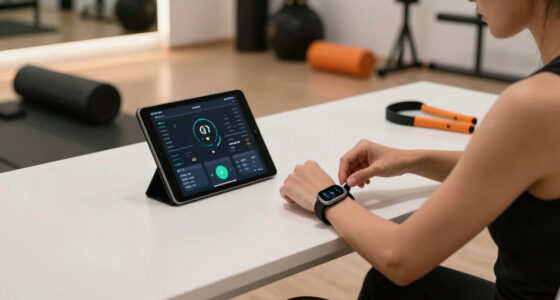
Recent advances have made tracking blood oxygen easier and more accessible outside clinics. Many smartwatches and fitness trackers now include pulse oximetry sensors, letting you check your levels throughout the day. These devices use multiple wavelengths of light and smarter algorithms to improve accuracy, even during movement or low perfusion. This technological progression means that more people can monitor trends over time, potentially catching early signs of issues before they become severe.
For example, during a workout, a high-end fitness watch might give you a continuous trend of your SpO₂, helping you notice if your levels dip over time. During COVID-19, some people used these devices to monitor for early signs of hypoxemia at home, though with caution. The benefit is increased accessibility, but it’s important to understand that these devices still have limitations. Factors like cold fingers, nail polish, or rapid movement can cause inaccuracies. Therefore, while these tools are valuable for tracking general trends, they should not replace clinical-grade measurements when precise data is needed. Always interpret readings in context and consult health professionals for serious concerns.
The practical implication is that technological improvements have democratized health monitoring, but users must remain aware of potential inaccuracies. Combining device data with clinical advice ensures better health management.
fitness tracker with SpO2 measurement
As an affiliate, we earn on qualifying purchases.
As an affiliate, we earn on qualifying purchases.
Frequently Asked Questions
Can I use SpO₂ readings to monitor my health during exercise?
Yes, tracking your blood oxygen during workouts can help you notice if levels drop significantly, indicating you may need to adjust intensity. However, it’s not a substitute for listening to your body or consulting a trainer or healthcare provider.Are pulse oximeters accurate for everyone?
They work well for most people, but factors like cold extremities, skin pigmentation, or poor device contact can affect accuracy. Always interpret results with caution and consider professional testing for critical health issues.Can a high SpO₂ be harmful?
In most cases, a high reading indicates good oxygenation, but excessively high levels (above 100%) are rare and usually due to measurement errors. It’s not inherently harmful but shows the importance of correct device use.Is it safe to rely on SpO₂ readings during COVID-19?
They can alert you to hypoxemia, a serious concern in COVID-19, but shouldn’t replace medical testing or advice. Persistent low readings warrant prompt medical attention.As an affiliate, we earn on qualifying purchases.
Conclusion
Blood oxygen levels are a helpful glimpse into your body’s oxygenation, but they can’t replace comprehensive medical assessment. Use them as a trend indicator, not a final verdict. Remember: your body’s story is much richer than a single number. Pay attention to how you feel and seek professional advice when needed. Your health isn’t just about numbers—it’s about understanding and caring for the whole picture.Fall Picks
fall essentials
As an affiliate, we earn on qualifying purchases.