TL;DR

Get workout gear delivered free with Prime
- Fast, free delivery on millions of items
- Prime Video, Amazon Music and more included
- Member-only deals all year
Cycling is an effective, joint-friendly exercise that boosts cardiovascular health and muscle tone. Its low-impact design makes it suitable for all ages and fitness levels, especially for those with joint issues or recovering from injury.
You want to get fitter without risking your knees, hips, or ankles. Cycling fits the bill perfectly. It’s a low-impact activity that builds endurance, tones muscles, and supports heart health—without pounding your joints into submission.
More than just a hobby, cycling offers a sustainable way to stay active, especially if you’re dealing with joint discomfort or recovering from injury. Plus, with the rise of indoor bikes and e-bikes, it’s easier than ever to make cycling a regular part of your routine.
Cycling is a low-impact activity that effectively builds cardiovascular fitness and muscle strength without stressing joints.
Proper bike fit, gradual progression, and listening to your body prevent overuse injuries and discomfort.
Indoor cycling and e-bikes are excellent options for convenience and extended, joint-friendly workouts.
Mixing cycling with other low-impact activities supports overall health and joint preservation.
Regular cycling can help manage weight, boost mental health, and reduce chronic disease risk—all while protecting your joints.
How Cycling Builds Fitness Without Pounding Your Joints
Cycling turns smooth, circular movement into serious cardiovascular work. You build endurance, strengthen the muscles that support your knees and hips, and manage weight—without the repeated landing forces of high-impact exercise.
Calories per hour
Estimated range varies with effort, duration, terrain, and rider weight.
Comfortable cadence
A steady RPM range can reduce the need for joint-loading pedal torque.
Minutes per week
A practical target for moderate aerobic activity, split across several rides.
Less impact. Plenty of training effect.
The pedals support your feet while the bike carries your body weight. That changes the fitness equation: less jarring contact at the knees, hips, and ankles, with enough adjustable resistance to challenge the heart and muscles.
Smooth force delivery
Circular pedaling distributes effort through a continuous range of motion. Joints glide instead of repeatedly absorbing the landing forces associated with running and jumping.
Stronger stabilizers
Quadriceps, hamstrings, glutes, and calves share the workload. Building these muscles can improve support around the knees and hips while increasing everyday capacity.
Sustainable aerobic work
Because impact stays low, many riders can sustain longer sessions. Consistency improves heart and lung capacity without making joint pounding the price of progress.
Energy expenditure range
Approximate calories per hour. Individual results vary substantially with intensity, body size, bike type, and conditions.
Primary muscle engagement
Build the habit before you build the workload.
Comfort is useful feedback. A measured start gives muscles, tendons, and joints time to adapt while small fit adjustments prevent avoidable strain.
Fit the bike
Adjust saddle height, reach, and handlebars so the knees track comfortably and the hips remain stable.
Ride briefly
Begin with 10–15 easy minutes. Finish while movement still feels smooth and controlled.
Spin steadily
Use an easy gear and a fluid cadence instead of pushing a heavy gear with high joint torque.
Add gradually
Increase duration or resistance in small steps—not both aggressively at the same time.
Review signals
Stop for sharp or worsening pain. Recheck fit and seek professional advice when symptoms persist.
Indoor, outdoor, or electric?
All three formats can build fitness. The best option is the one that gives you comfortable movement, repeatable access, and enough control to manage effort.
| Feature | Indoor cycling | Outdoor cycling | E-bike |
|---|---|---|---|
| Joint impact | ✓ Very low | ✓ Low | ✓ Very low |
| Environment | Stable and fully controlled | Terrain and conditions vary | Variable, with motor support |
| Convenience | ✓ High | ~ Variable | ✓ High |
| Effort control | Precise resistance changes | Gearing plus route selection | Gearing plus assist level |
| Best fit | Beginners, rehab, bad weather | Variety, fresh air, exploration | Longer rides, hills, limited stamina |
| Tradeoff | Equipment and less scenery | Traffic, weather, uneven surfaces | Higher cost and greater bike weight |
Best joint-control option: indoor cycling. Best terrain variety: outdoor cycling. Best effort assistance: e-bike. Proper setup remains important in every format.
Fitness gains you can keep repeating.
Cycling works because it is scalable. Easy recovery spins, steady endurance rides, and controlled intervals can all live on the same bike—and adapt as your capacity changes.
What consistent riding can build
Expect better cardiovascular endurance, stronger lower-body muscles, improved weight-management support, and a mental reset from rhythmic movement. Regular activity is also associated with reduced risk factors for heart disease, diabetes, and obesity.
The joint-friendly fitness chain
Why Cycling Is Gentle on Your Joints and Still Gets Results
Cycling is a low-impact exercise because it involves smooth, circular pedaling that minimizes the stress on weight-bearing joints like knees and hips. This motion distributes force evenly across the joint surfaces, reducing the repetitive stress that can cause pain or injury. The continuous, fluid movement allows your joints to glide through motion rather than endure jarring impacts. This is especially beneficial for individuals with pre-existing joint conditions or those in recovery, as it enables them to maintain activity levels without exacerbating symptoms.
For example, someone recovering from knee pain found that cycling allowed them to rebuild strength without aggravating their condition. Regularly pedaling for 30 minutes three times a week improved their endurance and reduced joint discomfort over time. The key is that cycling promotes muscle engagement around the joint, providing stability and support, which can further alleviate pain and improve joint function.
According to an anonymous researcher, cycling can burn 400-1000 calories per hour depending on effort and weight, which supports weight loss and heart health without the joint impact of running or jumping. The low-impact nature means you can sustain longer sessions, which is crucial for cardiovascular benefits, without risking joint fatigue or injury. This tradeoff — less joint stress for sustained activity — makes cycling an excellent choice for long-term fitness, especially for those with joint concerns.
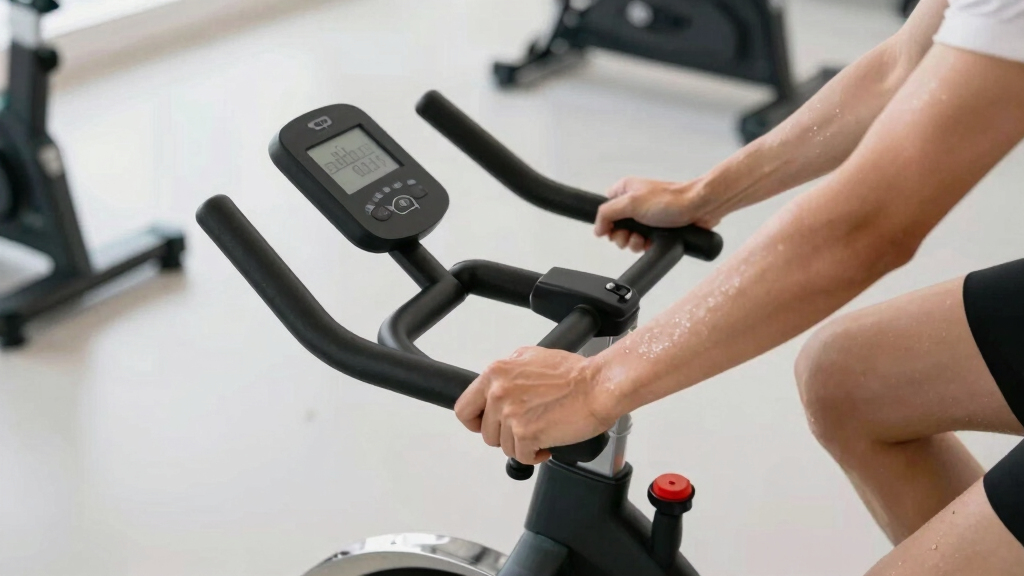
indoor cycling bike with adjustable resistance
As an affiliate, we earn on qualifying purchases.
As an affiliate, we earn on qualifying purchases.
How to Start Cycling Safely If You Have Joint Concerns
- Choose a well-fitted bike with adjustable seat and handlebars. Proper fit ensures that your joints are aligned correctly during pedaling, reducing unnecessary strain. An ill-fitting bike can lead to compensatory movements, overuse injuries, and discomfort that discourages continued activity.
- Start with short rides—10 to 15 minutes—and gradually increase as comfort improves. This gradual progression allows your joints and muscles to adapt, preventing overuse injuries and inflammation that can result from sudden increases in activity.
- Use padded shorts and proper footwear to reduce pressure points. These help distribute force evenly across your joints, minimizing localized stress that can cause pain or irritation.
- Keep your cadence steady—around 80-100 RPM—to minimize joint stress. Maintaining a consistent, moderate pedaling speed ensures your joints aren’t subjected to sudden torque or jerky movements, which can exacerbate discomfort.
- Listen to your body. If you feel pain, stop and assess your bike fit or consult a professional. Pushing through joint pain can worsen underlying issues, so recognizing early signs and adjusting accordingly is vital for long-term joint health.
Remember, consulting a healthcare professional before starting any new exercise routine is always wise, especially if you have existing joint issues. They can provide tailored advice and help monitor your progress to prevent setbacks.
ergonomic bike seat for joint comfort
As an affiliate, we earn on qualifying purchases.
As an affiliate, we earn on qualifying purchases.
Compare Indoor, Outdoor, and E-Biking — Which Is Best for Your Joints?
| Feature | Indoor Cycling | Outdoor Cycling | E-Bikes |
|---|---|---|---|
| Impact on Joints | Very low, controlled environment | Low with proper technique | Very low, supports longer rides |
| Convenience | High, weather-independent | Variable, depends on weather & terrain | High, extends riding range |
| Cost | Initial equipment needed | Bike and maintenance | Higher, due to motor assistance |
| Benefits for Joints | Maximum, minimal strain | Good, with proper bike setup | Excellent, supports longer and easier rides |
Choosing depends on your goals, environment, and how your joints feel during activity. Each option offers unique benefits and tradeoffs that can influence your long-term adherence and joint health.
electric bike for low-impact exercise
As an affiliate, we earn on qualifying purchases.
As an affiliate, we earn on qualifying purchases.
What You Can Expect to Gain From Cycling Without the Joint Pain
Expect improvements in cardiovascular health, muscle tone, and mental well-being. Imagine a steady hum of energy, a clearer mind, and muscles that feel strong but not sore. These benefits stem from the consistent, low-impact nature of cycling, which allows you to engage in regular activity without the setbacks of joint pain or fatigue.
For example, a 45-year-old who started cycling three times a week noticed their resting heart rate dropped by 8 beats per minute after just six weeks. They also reported feeling more alert and less stressed. This illustrates how sustained, joint-friendly exercise can lead to tangible health improvements that motivate continued activity.
According to research, consistent cycling can help reduce the risk of chronic diseases like diabetes and heart disease, all while sparing your joints the pounding of high-impact activities. The implication is that cycling offers a sustainable, enjoyable way to improve overall health without sacrificing joint integrity, making it especially suitable for aging populations or those with pre-existing conditions.
As an affiliate, we earn on qualifying purchases.
How To Keep Your Joints Happy While Cycling Long-Term
- Maintain a proper bike fit—check saddle height, handlebar position, and cleat alignment. Proper fit ensures that your joints move through their natural range of motion without compensating for misalignment, which can cause overuse injuries and chronic discomfort.
- Mix in cross-training activities like swimming or yoga to avoid overuse injuries. These activities complement cycling by strengthening supporting muscles, improving flexibility, and reducing repetitive stress on specific joints. They also help prevent boredom and mental fatigue, encouraging sustained exercise habits.
- Take regular breaks during long rides to stretch and relieve pressure. Stretching helps maintain joint mobility, reduce muscle tension, and prevent stiffness that can lead to joint strain. Short breaks allow your joints to recover from repetitive motion, decreasing the risk of overuse injuries.
- Stay hydrated and keep your core engaged to support proper posture. Proper hydration maintains tissue elasticity and joint lubrication, while a strong core stabilizes your body during cycling, reducing undue stress on your joints and preventing improper alignment.
- Listen to your body—if discomfort persists, reassess your setup or seek advice. Persistent pain may indicate underlying issues such as improper bike fit, overtraining, or developing joint problems. Addressing these early can prevent long-term damage and ensure cycling remains a sustainable activity.
Remember, consistency and listening to your body are key to preserving joint health over time. Developing a routine that includes regular check-ins and adjustments can keep cycling both enjoyable and safe for your joints in the long run.
Frequently Asked Questions
Is cycling suitable for people with knee or hip problems?
Yes, cycling is often recommended for those with joint issues because it’s low-impact and allows you to control the resistance and duration. Always start slow and consult a healthcare professional if you have specific concerns.How often should I cycle to see fitness benefits?
Most guidelines suggest aiming for at least 150 minutes of moderate activity weekly. This can be broken into 30-60 minute sessions, 3-5 times a week, based on your schedule and comfort level.Can cycling help with weight loss?
Absolutely. Cycling burns a significant number of calories—roughly 400 to 1000 per hour depending on effort and weight—making it a great tool for weight management when combined with proper nutrition.What equipment do I need to start cycling safely?
A well-fitted bike, helmet, comfortable clothing, and padded shorts for comfort are essential. For indoor cycling, a stationary bike or smart trainer can help you get started safely.How can I prevent overuse injuries while cycling?
Gradually increase your riding time and intensity, ensure your bike is properly fitted, incorporate rest days, and include stretching and strengthening exercises to support your joints.Conclusion
Think of cycling as a gentle wave—smooth, steady, and powerful enough to carry you toward better fitness without leaving your joints battered. It’s a smart, sustainable way to build endurance, tone muscles, and enjoy the outdoors or the comfort of your home.
So, whether you’re recovering from joint pain or just want a kinder way to stay active, hop on a bike. Your joints—and your future self—will thank you for it.
Halloween Picks
halloween
As an affiliate, we earn on qualifying purchases.