
TL;DR

Get workout gear delivered free with Prime
- Fast, free delivery on millions of items
- Prime Video, Amazon Music and more included
- Member-only deals all year
This guide covers everything you need to do before your first gym session—setting goals, choosing gear, planning workouts, and more. Proper prep boosts confidence and reduces injury risk, making your first visit a positive step.
Starting at a gym can feel like stepping into uncharted territory. Exciting yet intimidating, right? But with a little prep, your first visit becomes less about nerves and more about confidence. Think of it as laying the groundwork for a sustainable, enjoyable fitness habit. This guide is your checklist—crafted to help you navigate the essentials and walk in ready, eager, and safe.
Whether you’re aiming to shed a few pounds, build strength, or just feel better in your skin, proper preparation makes all the difference. You’ll reduce the risk of injury, avoid feeling overwhelmed, and set yourself up for long-term gains. Ready? Let’s get into the details to make your first gym session a success.
Define clear, achievable goals to give your workouts purpose.
Choose a welcoming gym environment that matches your personality and schedule.
Start with simple routines focusing on proper form to build confidence.
Progress gradually to prevent injury and sustain motivation.
Track your efforts to see progress and stay motivated over time.
How to Set Clear Goals That Keep You Moving
Knowing what you want from the gym is the first step. Are you here to lose weight? Build muscle? Improve stamina? Be specific. For example, aiming to lose 5 pounds in two months or being able to do 10 push-ups comfortably gives your workout focus. Clear goals help you choose the right exercises and stay motivated.
Imagine you want to run a 5K in three months. Your plan might include cardio sessions three times a week and strength training twice. Without a goal, it’s easy to drift or lose steam. So, grab a notebook or your phone and jot down your main aim—this becomes your fitness compass.
Pro tip: Break big goals into smaller milestones. If your goal is to deadlift 100 pounds, start with lighter weights, master form, then increase gradually. It’s all about steady progress.
Understanding the importance of goal setting helps you stay committed. When you have a clear target, your workouts become more purposeful, and you’re more likely to push through plateaus. It also allows you to measure progress meaningfully, which boosts motivation and helps you adjust your routines as needed. Without well-defined goals, it’s easy to feel directionless, leading to frustration or giving up.
As an affiliate, we earn on qualifying purchases.
Why Talking to a Healthcare Professional Matters
If you have any health issues—like hypertension, asthma, or joint pain—consult a doctor before hitting the gym. A quick check-up can reveal limitations or precautions. For example, if you have a knee problem, certain exercises might need adjustment.
This isn’t about delaying your start—it’s about safety. Many gyms ask new members to fill out health questionnaires. Be honest. Your body will thank you for it. And if you’re unsure about your fitness level, a professional can recommend beginner-friendly routines tailored to your needs.
Understanding your health status is crucial because it influences how you should approach exercise. For instance, someone with high blood pressure might need to avoid heavy lifting or high-intensity cardio until cleared by a doctor. Recognizing these limitations helps prevent injuries and health setbacks. Moreover, consulting a healthcare professional can uncover underlying issues you might not be aware of, enabling you to set realistic, safe goals from the start. This proactive step can save you time, discomfort, and potential setbacks, making your fitness journey safer and more effective.
As an affiliate, we earn on qualifying purchases.
Picking the Perfect Gym for You
Choosing the right gym isn’t just about location. It’s about what makes you comfortable and motivated. Visit in person. Check if the cleanliness, equipment, and staff vibe match what you need. For example, if you love group classes, look for gyms that offer them. If you prefer quiet, spacious areas, test out the space first.
Think about hours—are they open when you’re free? And what about costs? Make sure it fits your budget. A gym that feels welcoming and accessible boosts your chances of sticking around.
Pro tip: Walk around, ask questions, and even try a free day pass. This quick visit can save you frustration later.
Choosing a gym is more than just convenience; it’s about finding a space where you feel comfortable to learn and grow. The environment can significantly influence your motivation and consistency. A clean, well-maintained facility with friendly staff can make workouts enjoyable rather than stressful. Also, consider the type of equipment available—having access to the tools you need reduces barriers to your routine. Visiting beforehand allows you to assess whether the atmosphere aligns with your personality—whether you prefer a lively, energetic space or a quieter, focused environment. This choice impacts your willingness to show up regularly and your overall experience, so take your time to select wisely.
As an affiliate, we earn on qualifying purchases.
Master Gym Etiquette for Respectful, Smooth Sessions
Gym etiquette isn’t just about manners; it’s about creating a respectful space. Wipe down equipment after use. Share weights and wait your turn. Keep noise levels respectful—use headphones if you’re listening to music. For instance, wiping sweat off machines with a towel shows consideration for others.
This helps everyone feel comfortable and motivated. Remember, gyms are shared spaces. Small acts of respect make your experience more positive—and encourage others to do the same.
Tip: Observe how experienced gym-goers behave. Mimic good habits and you’ll feel more integrated quickly.
Understanding and practicing gym etiquette is vital because it fosters a positive environment that encourages consistency and respect. When everyone follows basic courtesies—like cleaning equipment, sharing space, and keeping noise considerate—it reduces conflicts and distractions. This creates a welcoming atmosphere that motivates members to return regularly. Moreover, respectful behavior demonstrates your commitment to community values, making your own experience more enjoyable and less stressful. Recognizing the unwritten rules of gym conduct helps you integrate smoothly, build good relationships with staff and fellow members, and establish a routine rooted in mutual respect.
lightweight dumbbells for beginners
As an affiliate, we earn on qualifying purchases.
As an affiliate, we earn on qualifying purchases.
Dress Right for Comfort and Support
Wear breathable, stretchy clothes that let you move freely. Think moisture-wicking fabrics for sweat. Supportive athletic shoes—like running shoes with good arch support—are a must. Imagine trying to squat in tight, unsupportive shoes—uncomfortable and unsafe.
Choose footwear based on your workout: running shoes for cardio, cross-trainers for mixed routines. Investing in quality shoes prevents injuries and makes workouts more comfortable.
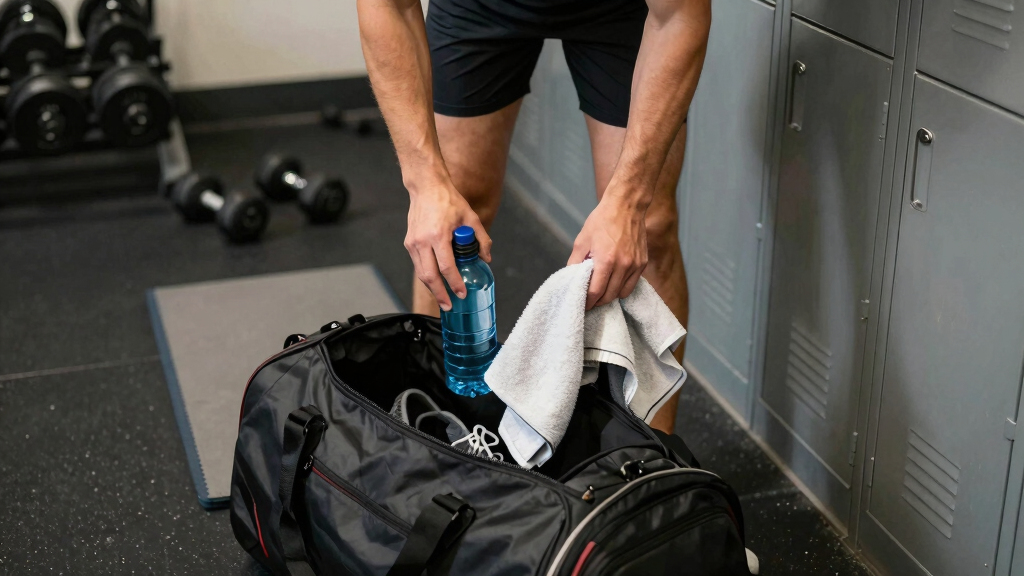
Pro tip: Bring a small towel and a water bottle to stay hydrated and fresh during your session.
Proper attire isn’t just about looking good—it directly impacts your safety and performance. Wearing the right clothes allows your body to move naturally, reducing restrictions that could lead to strains or injuries. Moisture-wicking fabrics help keep you dry, preventing chafing and discomfort. Supportive shoes are equally critical; they absorb shock, provide stability, and prevent issues like plantar fasciitis or stress fractures. Choosing footwear suited to your activity enhances your balance and reduces fatigue. Additionally, comfortable, functional clothing boosts confidence, making it easier to focus on your workout rather than adjusting uncomfortable gear. The right gear empowers you to train effectively and safely, encouraging consistency and progress.
Plan Your First Workout for Success and Safety
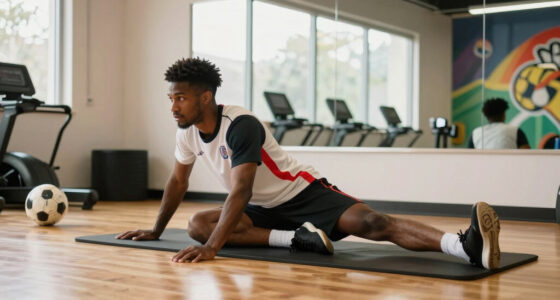
Start with a simple, beginner-friendly routine—think full-body workouts with basic movements. Incorporate warm-up and cool-down to prepare your muscles and prevent soreness. For example, 5 minutes of brisk walking or light cycling warms up the body, while stretching afterward helps recovery.
Consider seeking guidance from a trainer or following reputable beginner programs. Keep your session around 30-45 minutes. Focus on proper form—quality over quantity.
Sample plan: 10 minutes warm-up, 20 minutes strength (squats, push-ups, rows), 10 minutes cool-down. Adjust as needed based on your comfort level.
Understanding the importance of a well-structured workout plan is essential because it maximizes your effort while minimizing injury risk. A balanced routine ensures all major muscle groups are engaged, promoting overall strength and endurance. Incorporating warm-up and cool-down phases prepares your body for activity and aids recovery, reducing the likelihood of soreness or strains. Seeking guidance from professionals or reputable programs helps you learn correct techniques, which is vital for avoiding injuries and building confidence. Keeping sessions within a manageable time frame—like 30-45 minutes—supports consistency, especially for beginners juggling other commitments. Planning your workout thoughtfully sets a strong foundation for habit formation and long-term progress.
Gradually Increase Intensity and Volume
Never jump straight into heavy weights or long sessions. Your muscles need time to adapt. Start with lighter weights, fewer reps—think 8-12 reps per set—and focus on perfect form. For example, doing bodyweight squats before progressing to weighted versions.
Listen to your body. If you feel pain or extreme fatigue, back off. Increase gradually—adding weight or reps every 1-2 weeks as your strength improves.
This approach reduces injury risk and keeps workouts sustainable. Remember, consistency beats intensity early on.
Understanding the importance of gradual progression is key because it allows your body to adapt safely without overloading. Pushing too hard too soon can lead to strains, joint issues, or burnout, which derail your progress. By starting with manageable weights and volumes, you build a solid base of strength and confidence. Incremental increases—like adding a few extra reps or a slight weight boost every couple of weeks—ensure continuous improvement while minimizing setbacks. This method promotes long-term adherence, reduces injury likelihood, and helps you develop proper technique. Patience and consistency are your best allies in establishing a sustainable fitness routine.
Track Your Progress and Celebrate Wins
Keeping a workout journal or using apps helps you see your improvements over time. Record exercises, weights, reps, and how you felt. For instance, noticing you can now do 12 push-ups instead of 8 is motivating.
Celebrate small wins—completing your first week, adding extra reps, or lifting a bit more. These boosts build confidence and keep you engaged.
Pro tip: Take progress photos or measure your body periodically. It’s satisfying to see tangible change.
Tracking your progress is vital because it provides concrete evidence of your efforts, reinforcing motivation and commitment. When you see tangible improvements—like increased strength, endurance, or physique changes—it validates your hard work and encourages consistency. Recognizing small wins prevents discouragement during plateaus, which are common in any fitness journey. Additionally, documenting your routines allows you to identify what works best, helping you tailor future workouts for better results. The act of celebrating progress not only boosts morale but also establishes positive habits, making it more likely you’ll stick with your plan long-term.
Frequently Asked Questions
What should I wear to my first gym session?
Wear comfortable, breathable clothes that stretch with your movements. Supportive athletic shoes suited for your activities are essential. Think moisture-wicking fabrics and shoes with good arch support to stay comfortable and safe.
How long should my first workout last?
Start with 30-45 minutes, including warm-up and cool-down. Keep it manageable to prevent fatigue and build confidence. As you get more comfortable, you can gradually extend your sessions.
Is soreness normal after my first workout?
Yes, some muscle soreness is common as your body adapts. It should be mild and fade in a couple of days. Rest, hydrate, and stretch. Don’t push through pain—listen to your body.
Do I need a trainer for my first session?
Not necessarily, but a trainer can help teach proper form, develop a beginner plan, and boost confidence. Even one session can make a big difference in setting the right foundation.
How often should I go to see progress?
Most beginners notice improvements within 4-6 weeks with consistent effort. Aim for 3-4 sessions weekly, focusing on regularity and gradual increase in intensity.
Conclusion
Your first gym visit isn’t about perfection. It’s about showing up, learning, and building a foundation. Focus on safety, comfort, and gradual progress. Over time, those small steps turn into significant improvements—and a lifelong habit.
Remember, every expert was once a beginner. Embrace the process, celebrate your wins, and keep moving forward. Your future self will thank you for it.
Halloween Picks
halloween
As an affiliate, we earn on qualifying purchases.