TL;DR

Get workout gear delivered free with Prime
- Fast, free delivery on millions of items
- Prime Video, Amazon Music and more included
- Member-only deals all year
Focusing on body awareness and correct movement mechanics is an often-overlooked skill that makes every workout safer. By paying attention to how your body moves and feels, you can prevent injuries and improve performance over time.
When you think about staying safe during exercise, you might focus on lifting lighter weights or stretching carefully. But there’s a hidden skill that plays a bigger role than most realize: body awareness. It’s the ability to sense your body’s position and movement in real time. Mastering this skill can help you avoid injuries, improve your form, and make your workouts more effective and sustainable.
In this guide, you’ll learn what body awareness really is, how to develop it, and why it’s a game-changer for anyone serious about safe, smart exercise. Whether you’re new or experienced, sharpening this skill can elevate your fitness journey.
Body awareness, or proprioception, is crucial for performing exercises safely and effectively.
Improving movement awareness can reduce injury risk by up to 50%, especially in high-stress workouts.
Simple practices like slow reps, mindful breathing, and balance drills significantly boost proprioception.
Technology like wearables offers real-time feedback, accelerating learning proper form.
Avoid rushing or ignoring discomfort; listen to your body’s signals for safer exercise.
What is Body Awareness and Why Does It Matter?
Body awareness, also called proprioception, is your ability to sense where your body parts are and how they’re moving—without looking. Imagine closing your eyes and touching your nose with your finger—that’s proprioception in action. When you’re aware of your body’s position, you can adjust movements instantly, preventing strain or injury.
For example, if your knee starts to cave inward during a squat, a heightened sense of body awareness helps you correct it before it causes pain or damage. According to an anonymous researcher, improving proprioception reduces injury risk by helping us perform more controlled, balanced movements.
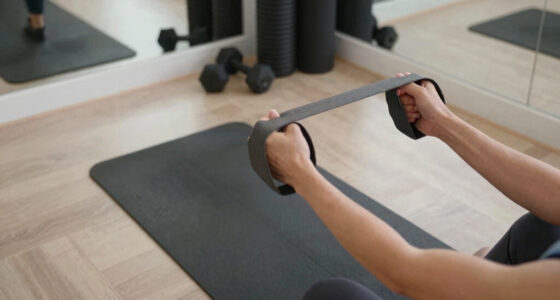
proprioception balance training equipment
As an affiliate, we earn on qualifying purchases.
As an affiliate, we earn on qualifying purchases.
How Improving Body Awareness Prevents Common Workout Injuries
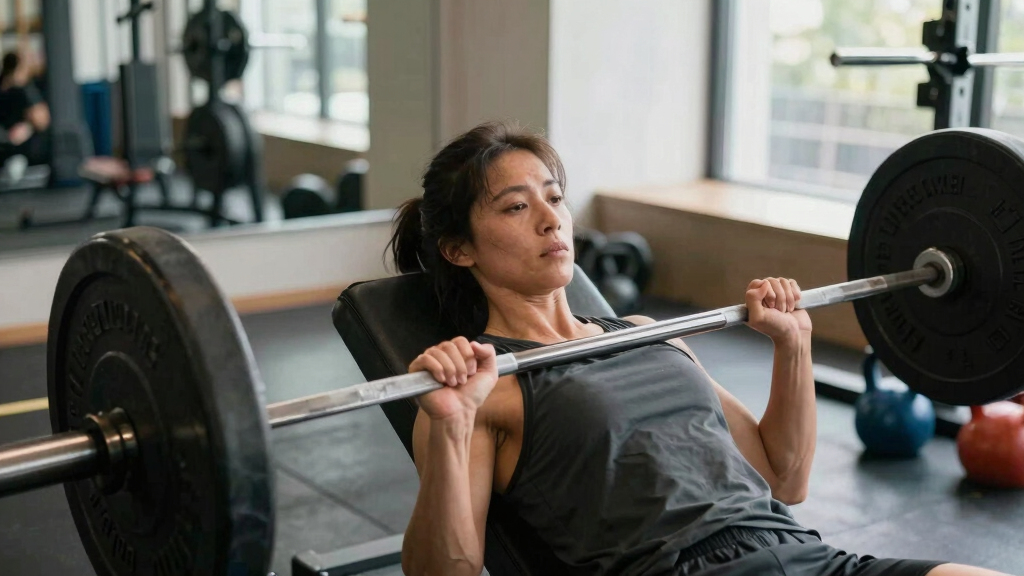
Injury prevention hinges on your ability to move correctly. When your body awareness improves, you’re better at maintaining proper alignment—keeping your joints safe and muscles balanced. For instance, many people injure their lower back during deadlifts because they ignore subtle cues like tightness or discomfort.
Here’s a quick comparison:
| Without Awareness | With Awareness |
|---|---|
| Ignoring pain signals | Adjusts movement based on sensations |
| Poor posture | Maintains proper alignment |
| Overexertion | Recognizes fatigue early |
Staying tuned into your body can cut injury risk significantly, especially in high-rep or heavy lifting sessions.
As an affiliate, we earn on qualifying purchases.
5 Ways to Boost Your Body Awareness During Workouts
- Slow down your movements. Focus on control, not speed.
- Use a mirror or record yourself. Watch for alignment and smoothness.
- Pay attention to your breathing. Synchronize breath with movement to stay centered.
- Practice balance exercises like single-leg stands or stability ball drills.
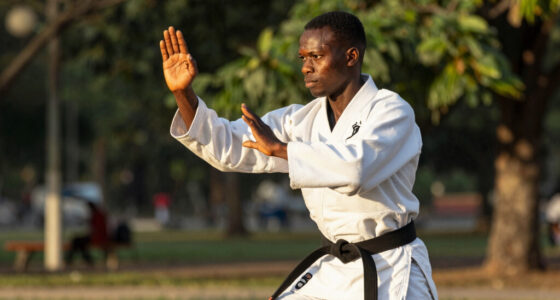
- Engage in mindfulness activities like yoga or tai chi, which teach you to listen to your body.
As an affiliate, we earn on qualifying purchases.
The Role of Technology in Developing Movement Awareness
Wearable sensors, smartphone apps, and biofeedback devices now help you monitor your form in real time. Devices like motion trackers can alert you if your hips tilt or your knees wobble, giving instant feedback. An anonymous researcher notes that tech tools can boost proprioception, especially for beginners learning proper form.
For instance, a fitness app might notify you when your squat depth isn’t consistent or your posture shifts. Using these tools, you learn to correct errors and develop a more intuitive sense of your body’s movements.
As an affiliate, we earn on qualifying purchases.
Common Mistakes That Undermine Your Movement Awareness
Ignoring small discomforts or rushing through exercises are big pitfalls. Many skip warm-ups, which can numb sensation and make it harder to feel proper alignment. Others focus only on the mirror or external cues, neglecting internal feedback.
For example, lifting heavy with poor form because they’re distracted or rushing can lead to strains. An anonymous researcher emphasizes that consistent mindful practice and patience are key to developing true body awareness.
Your Step-by-Step Plan to Become More Body-Aware
Here’s a simple 4-step routine to sharpen your movement senses:
- Start with a gentle warm-up—think light stretching or walking for 5 minutes.
- Perform controlled reps, focusing on how each muscle feels—no rushing.
- Use a mirror or record your movement, then review for alignment issues.
- Finish with a mindfulness check: pause, breathe, and scan your body for any tension or discomfort. For example, during lunges, notice how your balance shifts, how your thighs feel, and whether your knees stay over your ankles.
Frequently Asked Questions
How can I tell if I’m using proper form during exercises?
Use a mirror or record yourself to check your alignment. Consulting a trainer or professional can also provide valuable feedback. Most importantly, listen to how your body feels—any pain or discomfort is a sign to adjust.What are some quick ways to improve my body awareness mid-workout?
Pause between sets to check your posture, focus on your breathing, and perform slow, controlled reps. Balance exercises or simple mindfulness scans help reconnect you with your body’s sensations.Can technology really help me move better?
Yes. Wearables and apps provide instant feedback on your form and movement patterns. Over time, this tech support helps you develop a more intuitive, safer way to exercise.Is this skill more important for beginners or experienced athletes?
It benefits everyone. Beginners build safe habits early, while seasoned athletes use it to refine technique and prevent overuse injuries.Are there specific exercises to develop proprioception?
Balance drills, stability exercises, yoga, and tai chi are excellent choices. They challenge your sense of body position and help improve overall movement awareness.Conclusion
Focusing on how your body moves and feels isn’t just a fancy skill—it’s the foundation of safe, sustainable exercise. When you tune into yourself, you catch small misalignments and early signs of fatigue before they turn into injuries.
Next time you hit the gym or stretch in your living room, slow down and pay attention. Your body will thank you with fewer aches, better results, and a longer-lasting fitness journey.
Evergreen bestsellers Picks
bestsellers
As an affiliate, we earn on qualifying purchases.