
TL;DR

Get workout gear delivered free with Prime
- Fast, free delivery on millions of items
- Prime Video, Amazon Music and more included
- Member-only deals all year
Exercise is any physical activity for health or enjoyment, while training is a structured plan aimed at reaching specific performance goals. Knowing this helps you optimize your routines and avoid common pitfalls.
Ever wonder why some workouts leave you feeling accomplished and others just feel like a chore? The secret lies in understanding the hidden difference between exercise and training. Knowing this distinction can transform your approach to fitness, helping you reach your goals faster and safer. Whether you’re jogging for fun or preparing for a marathon, recognizing the difference can make all the difference in your results—and your enjoyment.
Exercise is any activity for health or enjoyment; training is a deliberate, goal-focused process.
Structured training uses progressive overload, leading to measurable performance gains.
Turning your casual workouts into training requires planning, goal setting, and tracking.
Understanding this difference helps prevent injury and keeps progress on track.
Both have their place—combine them wisely for a balanced, effective fitness routine.
Movement feels better when you know what job it is doing.
TL;DR: Exercise is physical activity for health, stress relief, or enjoyment. Training is a structured plan aimed at specific performance goals. The difference is intention, progression, and feedback.
Unstructured exercise supports well-being. Structured training creates measurable adaptation.
Same sweat, different strategy.
The distinction is often blurred, but it changes everything. A walk, bike ride, or casual gym session can be excellent exercise. A marathon block or strength cycle becomes training when it uses goals, progression, tracking, and planned recovery.
Flexible movement for general well-being.
Exercise keeps the body active, improves cardiovascular health, supports mood, and reduces stress. It can be spontaneous, social, recreational, or simply part of daily life.
A planned route toward a specific outcome.
Training is deliberate. It targets strength, endurance, speed, skill, or competition readiness through programmed workload, measurable feedback, and systematic adjustment.
How to tell which mode you are in.
Ask what the session is supposed to produce. If the answer is vitality, enjoyment, or consistency, it may be exercise. If the answer is a measurable performance change, it is training.
| Dimension | Exercise | Training | Why It Matters |
|---|---|---|---|
| Primary intent | ✓ Health, mood, enjoyment | ✓ Specific performance target | Purpose determines whether effort needs structure. |
| Planning | ~ Optional or loose | ✓ Scheduled and progressive | Planning turns effort into adaptation. |
| Progress tracking | ~ Nice to have | ✓ Essential feedback loop | Without measurement, plateaus are hard to spot. |
| Progressive overload | ✗ Not required | ✓ Core principle | Gradual challenge drives strength, speed, or endurance gains. |
| Recovery strategy | ~ Based on feel | ✓ Programmed into the plan | Recovery prevents overload from becoming overtraining. |
Progressive overload is the hidden mechanism.
Effective training gradually increases the challenge: more weight, longer duration, faster pace, denser intervals, sharper technique, or a harder skill demand. The body adapts because the signal is clear and repeated.
Define
Choose one goal: run farther, lift heavier, move faster, or improve a skill.
Load
Add the smallest useful challenge through volume, intensity, or complexity.
Recover
Let tissue, energy systems, and motivation rebound before the next push.
Adjust
Use feedback to increase, hold, or reduce the next session’s demand.
Turn a workout habit into a training plan.
You do not need to become an athlete to train. You need a goal, a baseline, a progression rule, and a recovery rhythm that fits your life.
Name the outcome.
Swap “get fit” for “run 5K without stopping” or “deadlift bodyweight with clean form.”
Measure one signal.
Log distance, load, pace, reps, heart rate, session difficulty, or technique quality.
Increase gradually.
Small increases reduce plateaus while lowering the chance of burnout or overuse injury.
Common questions, answered quickly.
Both exercise and training belong in a smart fitness life. The best mix depends on whether today’s priority is health, recovery, enjoyment, or progress.
Can I do both at the same time?
Yes. Many people use casual exercise for health and recovery while reserving training sessions for targeted progress.
How do I know if I need training?
If you want a specific result, such as faster running, heavier lifting, or better skill, structure will help.
Is training only for athletes?
No. Training can be scaled to beginners, older adults, and anyone with a clear goal and appropriate progression.
What are common mistakes?
Poor technique, no progression, too much intensity, and too little recovery are the usual trouble spots.
The mindset shift
Before the next workout, ask: am I moving for health and enjoyment, or am I working toward something specific? Either answer is valid. The win is matching the method to the goal.
What Exactly Is Exercise? How It Supports Your Body
Exercise is any physical activity you do for health, stress relief, or just plain fun. Think of it as the spontaneous dance in your living room or that evening walk around the block. It’s flexible, often unstructured, and mainly aimed at maintaining general well-being.
For example, a 30-minute brisk walk on your lunch break or a weekend bike ride counts as exercise. It improves your cardiovascular health, boosts mood, and keeps your body moving without a strict plan. While these activities are fantastic for daily vitality, they don’t necessarily push your body to adapt in ways that lead to significant performance gains. This means they are excellent for maintaining health but may not be enough if you’re aiming for specific fitness improvements.
As an affiliate, we earn on qualifying purchases.
What Is Training? The Secret to Achieving Specific Goals
Training is a planned, goal-oriented process designed to improve particular skills or attributes. It’s like following a recipe—step by step—to make sure you hit specific targets. Think of training as preparing for a 10K race or aiming to increase your deadlift. This structured approach ensures your efforts are purposeful, and progress can be measured over time.
For example, if you’re training for a marathon, you’ll follow a schedule that gradually increases running distance, tracks your progress, and adjusts intensity over weeks. This focused process not only boosts endurance but also minimizes the risk of injury by balancing workload and recovery. The key is that training recognizes your body’s need for systematic progression—stagnant routines can lead to plateaus or overuse injuries, which is why planning is essential for sustained improvement.
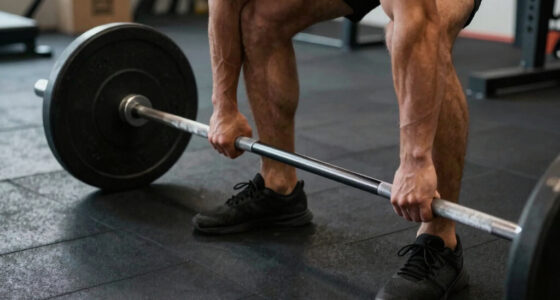
progressive overload weight training equipment
As an affiliate, we earn on qualifying purchases.
As an affiliate, we earn on qualifying purchases.
The Key Difference: Purpose and Planning Make or Break It
The main difference lies in purpose and planning. Exercise is about maintaining health or enjoying activity without a strict plan. Training, on the other hand, involves systematic planning, with specific goals, progress tracking, and adjustments based on performance feedback.
This distinction matters because without proper planning, your fitness routine might not lead to meaningful gains and could even cause setbacks or injuries. For example, casual running sessions might improve mood but won’t necessarily increase speed or endurance unless there’s a deliberate effort to progressively challenge yourself. The tradeoff is that unstructured exercise is easier and less time-consuming, but it might not be enough for those seeking significant performance improvements. Conversely, structured training requires discipline but can produce targeted results efficiently.
As an affiliate, we earn on qualifying purchases.
How Training Uses Progressive Overload to Boost Results
According to experts, progressive overload is the core principle behind effective training. It involves gradually increasing the challenge—more weight, faster pace, longer duration—to push your body beyond its current capabilities. This deliberate escalation forces your muscles and cardiovascular system to adapt, leading to strength gains, endurance, and skill improvements.
For example, if you lift weights, you might start with 10 pounds. Over weeks, you add five pounds at a time. This steady increase prevents plateaus and ensures continuous progress. Without progressive overload, your body adapts to the current workload, and improvements plateau. The tradeoff is that it requires careful planning and listening to your body’s signals to avoid overtraining or injury. This method is essential because it aligns with the body’s natural ability to adapt when appropriately challenged, making your efforts more effective and efficient.
As an affiliate, we earn on qualifying purchases.
Frequently Asked Questions
Can I do both exercise and training at the same time?
Absolutely. Many people blend casual exercise with structured training to maintain health while working toward specific goals. Just make sure to balance effort and recovery to avoid burnout.How do I know if I need to start training?
If you have a specific goal—like running faster, lifting heavier, or improving a skill—training can help. For general health, regular exercise often suffices, but adding structure can boost results.Is training only for athletes or advanced fitness enthusiasts?
Not at all. Anyone can benefit from training, regardless of experience, as long as routines are tailored to individual goals and abilities. Starting simple and progressing gradually works for all levels.How often should I switch between exercise and training?
It depends on your goals. Many benefit from mixing both—using exercise for recovery days or lighter days, and training on days dedicated to progress-focused workouts. Listen to your body.Conclusion
Knowing the real difference between exercise and training helps you choose routines that match your goals. Whether you aim for health, strength, or skill, clear intention guides your progress.
Next time you hit the gym or go for a run, ask yourself: am I just moving, or am I working toward something specific? That small shift in mindset can lead to bigger results—and more fun along the way.
Fall Picks
fall essentials
As an affiliate, we earn on qualifying purchases.