
TL;DR

Get workout gear delivered free with Prime
- Fast, free delivery on millions of items
- Prime Video, Amazon Music and more included
- Member-only deals all year
Tracking your step rate (cadence) reveals vital insights about your running form that distance alone can’t. Improving cadence can boost efficiency and lower injury risk, especially with today’s wearable tech making it easier to monitor. Small, gradual changes in cadence have a big impact over time.
Monitoring cadence reveals critical details about your running form that distance alone misses.
Gradually increasing your step rate by 5% can lower impact forces and injury risk.
Using simple tools like metronomes or music with a beat makes tracking cadence accessible to everyone.
Focusing on cadence helps develop a more efficient, injury-resistant running style over time.
Don’t obsess—small, consistent tweaks are more effective than sudden changes.
What exactly is cadence, and why does it matter?
Cadence is simply how many steps you take each minute while running. It’s a concrete number—say, 170, 180, or even 200 SPM—that reflects your stride rhythm. Why does this matter? Because cadence influences your running efficiency and injury risk. A higher cadence usually means shorter, quicker steps, which can reduce impact forces on your knees and hips. For example, a recreational runner with a cadence of 150 might experience more joint stress than someone maintaining 175 SPM, even if they run the same distance and pace.
Research shows that many runners naturally fall below the optimal cadence range. Adjusting your step rate can lead to noticeable improvements in how your body handles the workload. Instead of just focusing on speed or distance, paying attention to cadence helps you refine your technique—making each stride more effective and less taxing.
Products Worth Considering

OMRON VIVA 360+ Body Composition Monitor and Smart Scale
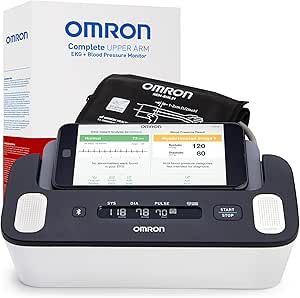
OMRON Complete 2-in-1 Upper Arm Blood Pressure Monitor with EKG

Garmin Forerunner 165 GPS Running Smartwatch, 43 mm, Black
As an affiliate, we earn on qualifying purchases.
Why measuring distance alone can mislead your progress
Distance tracks how far you run, but it misses the ‘how’ of running. Think of two runners covering 5 miles: one does it with a smooth, efficient stride, and the other with a sluggish, overstriding gait. They both hit 5 miles, but their bodies are experiencing very different stresses and efficiencies. Relying only on distance can mask biomechanical issues or fatigue signs that could lead to injury.
For instance, a runner might hit 20 miles weekly but develop knee pain because they overstride and land heavily with each step. If they tracked cadence, they might discover their step rate is too low, prompting adjustments that reduce impact and improve endurance.
In essence, distance is a useful metric but incomplete. Combining it with cadence gives a fuller, safer picture of your running health.
How to measure your cadence without fancy gear
- Use your smartwatch or fitness app if it has built-in cadence tracking.
- If not, count your steps for 30 seconds while running, then multiply by two to get steps per minute.
- Try to sync your counting with a metronome app or music with a beat around 170–180 BPM to naturally match your ideal cadence.
For example, if you count 85 steps in 30 seconds, your cadence is 170 SPM. This quick check helps you get a baseline without any expensive gear. Over time, you can aim to gradually increase your cadence by small steps—just like tuning a musical instrument—so it feels natural and sustainable.
Comparing cadence and pace: what’s the real difference?
| Feature | Cadence |
|---|---|
| Definition | Steps per minute (SPM), how fast your legs turn over |
| Focus | Running efficiency, form, injury risk |
| Impact on injury | Higher cadence generally reduces joint stress |
| Relation to pace | Can increase or decrease independently of speed |
How small changes in cadence can make a big difference
Imagine you’re running at 10-minute miles with a cadence of 150 SPM. Increasing it to 160–165 SPM might feel awkward at first but can lead to less pounding on your joints. Over a few weeks, this small 5–10% boost can improve your running economy and cut injury risk.
Here’s a simple plan:
- Start by measuring your current cadence.
- Gradually increase it by 5% every 2–3 weeks.
- Use music or a metronome to help keep your steps quick and consistent.
This approach prevents overtraining and helps your body adapt gradually, making the change feel natural—not forced.
What’s the best way to improve your cadence safely?
Focus on making small, consistent adjustments. Rushing to hit 180 SPM overnight can lead to overstriding or fatigue. Instead, aim for a 5% increase over several weeks, listen to your body, and incorporate drills like quick-step strides during your runs. This gentle, steady approach is safer and more sustainable.
Remember: even elite runners often tweak their step rate slightly to optimize performance. It’s a simple tweak with big payoffs—if done patiently and thoughtfully.
Can focusing on cadence cause problems?
Yes, if you obsess over it or change too quickly. Overemphasizing cadence without considering your overall running form can lead to unnatural gait patterns, overstriding, or muscle imbalance. It’s best to view cadence as one piece of the puzzle, making gradual, mindful adjustments.
For example, a runner might try to hit 180 SPM by bouncing excessively, which could cause fatigue or injury. The goal is efficiency, not just numbers. Always pay attention to how your body responds and consider consulting a coach or physiologist for personalized advice.
Is cadence useful for every runner?
Absolutely. Whether you’re a casual jogger, a seasoned marathoner, or just starting out, understanding your step rate can help you run smarter. It’s especially valuable for those aiming to prevent injuries or improve endurance. Even if you aren’t chasing PRs, awareness of cadence promotes better habits and long-term health.
For example, a beginner might find that increasing their cadence slightly reduces fatigue over long runs, making running more enjoyable and sustainable.