TL;DR

Get workout gear delivered free with Prime
- Fast, free delivery on millions of items
- Prime Video, Amazon Music and more included
- Member-only deals all year
Low-impact cardio exercises like walking, swimming, and cycling elevate your heart rate while minimizing joint stress. They’re perfect for all ages and especially beneficial if you want to protect your joints long-term.
If you’ve ever felt that pounding your joints during exercise is holding you back, you’re not alone. Many people shy away from cardio because they worry about joint pain or injury. The good news? There’s a way to get your heart pumping without pounding on your joints.
This guide reveals the low-impact cardio secret that your joints will thank you for. You’ll learn why it’s a game-changer for longevity, how to do it effectively, and practical tips to include it in your routine. No fancy equipment or extreme effort needed — just smart, joint-friendly movement.
Low-impact cardio activities like walking, cycling, and swimming elevate your heart rate without stressing your joints.
Incorporating these exercises into your routine can reduce inflammation and prevent long-term joint damage.
Choosing the right equipment, like a cushioned treadmill or stationary bike, makes consistent low-impact workouts easier and more enjoyable.
Start slow, listen to your body, and gradually increase intensity for sustainable progress.
Emerging tech and fun classes are making joint-friendly cardio more engaging and personalized.
The Low-Impact Cardio Secret Your Joints Will Thank You For
Low-impact cardio raises your heart rate while minimizing repetitive stress on knees, hips, ankles, and recovering joints. Walking, cycling, swimming, elliptical training, and rowing make fitness feel sustainable because they trade pounding for smooth, repeatable motion.
“Consistency beats intensity when the goal is lifelong mobility.”
Less joint stress is possible with low-impact choices compared with high-impact options such as running and jumping.
Minutes per week of moderate cardio can support heart health, endurance, weight management, and mood.
Cardio without the pounding
Low-impact cardio is any activity that elevates your heart rate without repeatedly slamming force through your joints. It is especially useful for beginners, seniors, people with arthritis, and anyone rebuilding after soreness or injury.
The easiest first win
A brisk walk is free, adjustable, and simple to repeat. Add distance, pace, or gentle incline when your joints feel ready.
Smooth knee-friendly rhythm
Outdoor or stationary cycling lets you control resistance while avoiding hard landings through knees, hips, and ankles.
Buoyancy plus resistance
Water supports your body, reduces joint load, and adds full-body resistance for a strong cardiovascular session.
Relative joint stress by cardio style
Low-impact vs. high-impact cardio
High-impact training can build bone density and burn calories quickly, but it is not always the smartest choice for sore, aging, or injury-prone joints. Low-impact training wins on sustainability.
| Feature | Low-Impact Cardio | High-Impact Cardio | Joint Takeaway |
|---|---|---|---|
| Stress on joints | ✓ Minimal | ✗ High | Low-impact movement reduces repeated force through knees, hips, and ankles. |
| Calorie burn per session | ~ Moderate to high | ✓ High | Low-impact sessions work best through consistency and longer adherence. |
| Beginner suitability | ✓ Excellent | ~ Variable | Start slow, then progress pace, incline, resistance, or duration. |
| Long-term joint health | ✓ Supports preservation | ✗ May accelerate wear | Joint-friendly cardio helps protect mobility while still training the heart. |
Intensity sweet spot: enough effort, no joint flare
Three simple ways to make it stick
The secret is not fancy equipment or extreme effort. It is choosing movements you can repeat, then nudging intensity only after your body adapts.
Walk 10-30 minutes
Begin with a comfortable route. Build toward 30 minutes, five days a week, and use pace or incline for variety.
Cycle instead of jog
Replace pounding workouts with smooth pedaling. Adjust resistance so your heart works while your joints stay calm.
Add water sessions
Try laps, aqua aerobics, or water walking. Buoyancy supports the body while resistance trains the whole system.
Home setup rule
Pick the option that removes friction: a quiet stationary bike, a cushioned treadmill, safe outdoor paths, or access to a pool. The right setting makes repeat workouts feel inviting instead of heroic.
- Stationary Bike Comfortable seat, adjustable resistance, quiet operation.
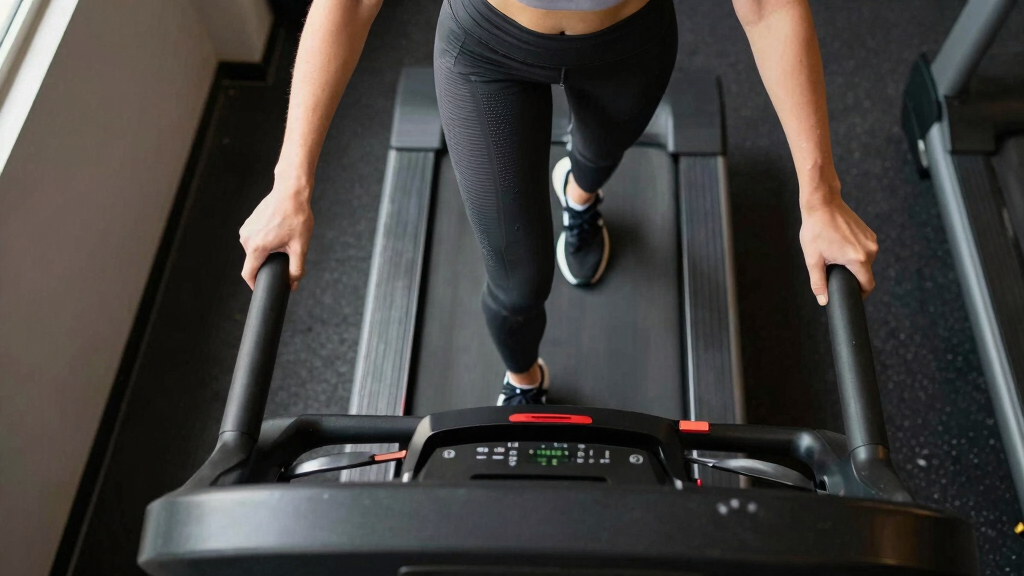
- Treadmill Cushioned deck, gentle incline, steady walking pace.
- Pool Access Swimming, aqua aerobics, or supported water walking.
- Outdoor Path Flat terrain, good lighting, scenery that keeps you coming back.
Make it smarter, safer, and less boring
Wearables, virtual classes, aqua dance, seated cardio, and real-time stress feedback are making joint-friendly movement more personal. The principle stays simple: progress gradually and listen closely.
Change one variable at a time
Add a few minutes, a little resistance, or a small incline. Avoid stacking all three at once if your joints are sensitive.
Pain is useful data
Muscle effort is expected. Sharp joint discomfort is a signal to back off, switch modality, or ask a professional for guidance.
Quick answers for joint-friendly cardio
Use these guardrails to start simply, stay consistent, and adjust based on your body’s response.
What is best for beginners?
Walking, cycling, and swimming are the easiest starting points. Begin with 10-15 minutes and increase gradually.
Can it help with weight loss?
Yes. It may burn fewer calories per minute than high-impact training, but it is easier to sustain long-term.
How often should I do it?
Aim for at least 150 minutes of moderate activity per week, such as 30 minutes on five days.
Is it enough for heart fitness?
Absolutely. When done consistently, low-impact cardio improves endurance, cardiovascular health, and mood.
What is Low-Impact Cardio and Why Does It Matter?
Low-impact cardio is any activity that raises your heart rate without causing excessive stress on your joints. Think of it as the gentle giant of exercise — effective but kind to your knees, hips, and ankles.
Imagine walking your dog in the park or leisurely cycling through your neighborhood. These activities stimulate your cardiovascular system without the pounding sensation that running or jumping often cause. According to an anonymous researcher, this approach is especially beneficial for those with joint issues or aging joints, helping prevent inflammation and degeneration.
In practice, low-impact cardio allows you to stay active longer, reducing the risk of injury and soreness. It’s perfect for maintaining consistency — a key ingredient in fitness success.
cushioned treadmill for low-impact walking
As an affiliate, we earn on qualifying purchases.
As an affiliate, we earn on qualifying purchases.
How Low-Impact Cardio Protects Your Joints in Real Life
Picture this: you’re 55, recovering from a knee flare-up. Running sounds tempting, but it’s off the table. Instead, you hop on a stationary bike or take a brisk walk in the park. These choices keep your heart healthy while sparing your joints.
Research from Easy Fitness Results shows that low-impact activities reduce repetitive joint stress by over 70% compared to high-impact options like running. This means less inflammation, less wear-and-tear, and a lower chance of long-term damage.
For example, a 45-minute walk five times a week can improve your cardiovascular health just as much as jogging, but with a fraction of the joint strain. It’s a smart way to stay active—and pain-free.
stationary bike with comfortable seat
As an affiliate, we earn on qualifying purchases.
As an affiliate, we earn on qualifying purchases.
Compare Low-Impact and High-Impact Cardio — Which Is Better for Your Joints?
| Feature | Low-Impact Cardio | High-Impact Cardio |
|---|---|---|
| Stress on joints | Minimal | High |
| Calorie burn per session | Moderate to high | High |
| Suitability for beginners | Excellent | Variable |
| Long-term joint health | Supports preservation | May accelerate wear |
swimming kickboard for joint-friendly exercise
As an affiliate, we earn on qualifying purchases.
As an affiliate, we earn on qualifying purchases.
3 Simple Ways to Incorporate Low-Impact Cardio Into Your Routine
- Start with walking. Aim for 30 minutes, five days a week. It’s free, easy, and adaptable to your pace.
- Try cycling—outdoor or stationary. It’s smooth, rhythmic, and easy on knees and hips.
- Join a water aerobics class or swim laps. The water’s buoyant nature supports your joints and adds resistance for a full-body workout.
For example, you might replace your usual jog with an evening walk or swap your high-impact gym class for aqua aerobics. These small shifts can make a big difference over time.
elliptical trainer with adjustable resistance
As an affiliate, we earn on qualifying purchases.
As an affiliate, we earn on qualifying purchases.
Best Equipment and Settings for Low-Impact Cardio at Home
- Stationary bike: adjustable resistance, comfortable seat, quiet operation.
- Walking or treadmill: cushioned deck, adjustable incline for variety.
- Swimming pool or access to a community pool for water exercises.
- Outdoor walking or biking paths: safe, flat terrain, scenic routes for motivation.
Imagine a quiet morning with your bike in the backyard or a scenic walk along a tree-lined trail. These setups make regular low-impact workouts more inviting and sustainable.
How to Personalize Your Low-Impact Cardio for Better Results
Adjust the intensity based on your age, fitness level, or joint health. If you’re recovering from injury or managing arthritis, start slow and gradually increase duration and pace.
For example, if walking feels easy, add a slight incline or increase your pace every week. Listen to your body — if you feel joint discomfort, dial back and consult a professional.
Remember, consistency beats intensity. Even 15-minute sessions, done regularly, support your health without risking joint strain.
Emerging Trends in Low-Impact Cardio That Keep It Fresh
Wearable tech now monitors joint stress and helps tailor your workout intensity in real time. Virtual reality fitness apps make low-impact sessions feel like fun adventures, not chores.
Think of walking in a virtual forest or taking a dance class in your living room. These innovations keep motivation high and make joint-friendly cardio less of a chore.
Plus, new classes like aqua Zumba or seated cardio are popping up, making it easier to find enjoyable, joint-safe workouts.
Frequently Asked Questions
What are the best low-impact cardio exercises for beginners?
Walking, cycling, and swimming are excellent starting points. They’re easy to learn, require minimal equipment, and are gentle on your joints. Start with 10-15 minute sessions and gradually increase as you feel comfortable.
Can low-impact cardio help with weight loss?
Yes. While it may burn fewer calories per minute than high-impact options, consistent low-impact cardio still supports weight management. It’s easier to sustain long-term, making it a reliable part of your routine.
How often should I do low-impact cardio for health benefits?
Aim for at least 150 minutes of moderate-intensity activity weekly, spread across most days. That could be 30 minutes five times a week, which fits easily into busy schedules.
Is low-impact cardio enough for improving cardiovascular fitness?
Absolutely. It raises your heart rate and improves endurance just as effectively as high-impact workouts, especially when done consistently over time.
What precautions should I take if I have existing joint problems?
Consult a healthcare or fitness professional first. Start with gentle activities, avoid sudden increases in intensity, and listen to your body. If pain occurs, back off and seek guidance.
Conclusion
Prioritizing low-impact cardio isn’t just smart — it’s a sustainable way to stay active for life. Your joints will thank you as you build endurance without pain or wear-and-tear.
So, lace up, hop on that bike, or take a refreshing swim. Your body’s long-term health depends on the gentle choices you make today.
Fall Picks
fall essentials
As an affiliate, we earn on qualifying purchases.