
TL;DR

Get workout gear delivered free with Prime
- Fast, free delivery on millions of items
- Prime Video, Amazon Music and more included
- Member-only deals all year
HIIT offers quick, intense workouts that boost fat loss and metabolism, while LISS provides longer, steady sessions ideal for endurance and recovery. Both can be effective, depending on your goals.
Ever wonder if you should sprint like crazy for 20 minutes or walk steadily for an hour? Both approaches can boost your fitness, but which one actually aligns better with your goals? Your choice impacts fat loss, endurance, and recovery—and knowing the difference could change how you approach your workouts.
In this guide, you’ll discover what sets HIIT and LISS apart, how recent trends are shaping their use, and which style fits your specific goals. Whether you’re chasing quick results or aiming for long-term stamina, understanding these styles helps you make smarter choices—and stick with them.
Both HIIT and LISS can support fat loss, but HIIT offers quicker results in less time due to the afterburn effect.
LISS is easier on joints, better for endurance building, and suits beginners or those recovering from injury.
Combining HIIT and LISS in your weekly plan creates a balanced approach, maximizing benefits and minimizing risks.
Frequency matters: 2–3 HIIT sessions and 3–5 LISS sessions per week are generally effective, depending on your goals.
Always listen to your body and consult health professionals if you have pre-existing conditions before choosing high-intensity workouts.
HIIT vs LISS: Which Cardio Style Fits Your Goal?
One is fast, demanding, and metabolically intense. The other is steady, sustainable, and recovery-friendly. Both can support fat loss and cardiovascular fitness—the smarter choice is the one that matches your goal, schedule, experience, and recovery capacity.
Two routes to better conditioning
HIIT alternates near-maximal work with recovery. LISS holds a moderate pace for an extended period. The difference changes the training stress, time requirement, fuel use, and recovery cost.
HIIT turns up the pressure.
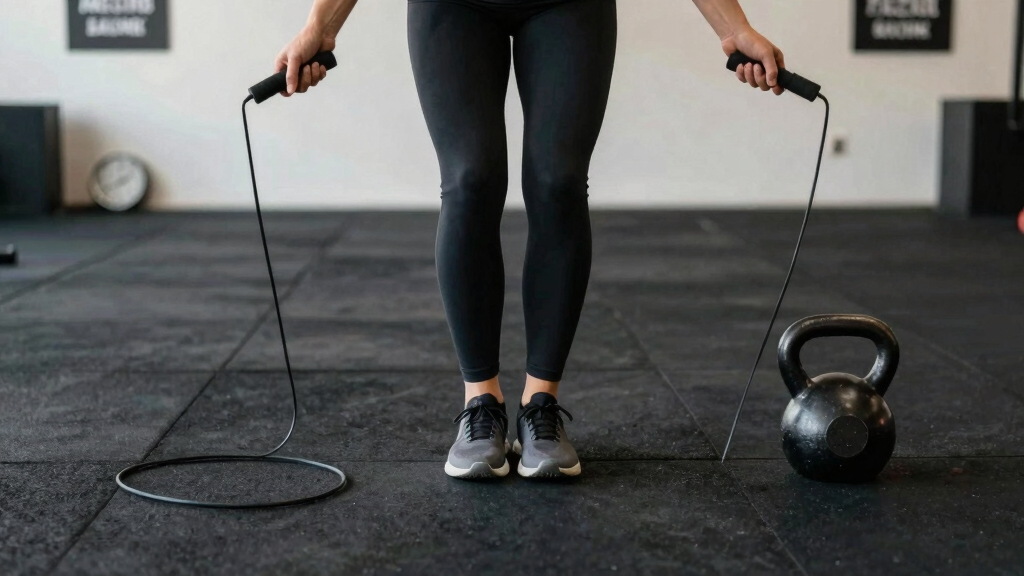
A typical workout might pair 30 seconds of sprinting with 60 seconds of walking, repeated for 15–20 minutes. It challenges both cardiovascular and muscular systems and can elevate post-workout energy expenditure.
LISS wins through consistency.
A brisk walk, light jog, swim, or steady bike ride keeps effort controlled for 30–60 minutes. It builds an aerobic base while producing less fatigue and impact than repeated all-out intervals.
Compare the training experience
Neither method is universally “better.” HIIT concentrates work into less time; LISS makes the effort easier to sustain and repeat.
| Feature | HIIT | LISS | Edge |
|---|---|---|---|
| Typical duration | 15–30 minutes | 30–60 minutes | ✓HIIT for speed |
| Intensity | Near-maximal intervals | Moderate, steady effort | ~Goal dependent |
| Post-workout metabolic effect | More pronounced | Generally smaller | ✓HIIT |
| Joint and recovery demand | Higher when impact is involved | Usually lower | ✓LISS |
| Beginner accessibility | Requires careful progression | Easy to scale and sustain | ✓LISS |
| Aerobic endurance | Moderate to high benefit | Strong base-building benefit | ~Both |
| Overtraining risk | ✕Higher if overused | Lower at controlled intensity | ✓LISS |
Intensity changes the return—and the cost
HIIT scores highly for time efficiency and metabolic stimulus. LISS leads for repeatability, recovery support, and joint-friendly volume.
Where each style stands out
Start with what you need most
Your best option is determined by the outcome you value and the amount of stress you can absorb—not by which workout feels more extreme.
Fat loss
Both work when paired with sustainable nutrition. HIIT saves time; LISS makes weekly volume easier to tolerate.
Endurance
Longer steady sessions progressively develop aerobic capacity and movement economy.
Busy schedule
Intervals deliver a concentrated cardiovascular challenge in a short training window.
Recovery
Controlled walking or cycling adds movement without the fatigue of repeated maximal efforts.
Lean mass
Short HIIT sessions can complement strength work when volume and recovery are carefully managed.
The best plan connects effort to recovery
Combining HIIT and LISS targets different energy systems, adds variety, and reduces the pressure to make every workout hard.
🎯 Set the goal
Choose fat loss, speed, endurance, health, or recovery.
⌚ Check time
Short windows favor HIIT; longer windows suit LISS.
💓 Pick intensity
Match the session to your fitness level and health status.
🔄 Recover
Separate hard sessions and protect sleep, mobility, and rest.
📈 Adjust
Use wearable data and perceived effort to refine the dose.
Two hard days. Three steady days.
This illustrative schedule alternates intensity and recovery. Beginners can start with one modified interval session and two LISS sessions, then add volume gradually.
15–20 min
30–45 min
15–20 min
30–45 min
45–60 min
What to know before you start
Consistency matters more than chasing a perfect cardio method. Start conservatively, progress one variable at a time, and monitor how well you recover.
Is HIIT safe for beginners?
It can be when appropriately scaled. Begin with shorter work intervals, longer recovery periods, low-impact movements, and careful attention to form.
How often should I train?
A common range is 2–3 HIIT sessions or 3–5 LISS sessions weekly. Your strength training, sport, sleep, age, and recovery capacity should guide the final dose.
Can I combine both styles?
Yes. Use HIIT for concentrated intensity and LISS for aerobic volume or active recovery. Keep hard days separated whenever possible.
Which is better for heart health?
Both can improve cardiovascular fitness. LISS offers a gradual entry point, while properly programmed HIIT can strongly challenge VO₂ max and high-end capacity.
What exactly is HIIT—and why is it so popular?
HIIT, or High-Intensity Interval Training, is a workout style that flips between all-out effort and short recovery. Think sprinting for 30 seconds, then walking for 60 seconds, repeating for 15–20 minutes. It’s like a turbocharged version of your usual cardio.
This style is a favorite because it packs a lot into a short time. Imagine burning 300 calories in 20 minutes, with your heart pounding and muscles on fire—that’s HIIT in action. Plus, the afterburn effect means your body keeps burning calories long after you finish.
Understanding why HIIT is so effective involves recognizing how it pushes your cardiovascular and muscular systems to their limits briefly, which stimulates greater fat oxidation and muscle engagement than steady-state cardio. However, this intensity also means there’s a higher risk of overtraining or injury if not executed properly. The tradeoff is that while HIIT provides rapid results, it demands a higher level of effort and recovery time, making it less suitable for beginners or those with certain health concerns.
As an affiliate, we earn on qualifying purchases.
What is LISS and who should consider it?
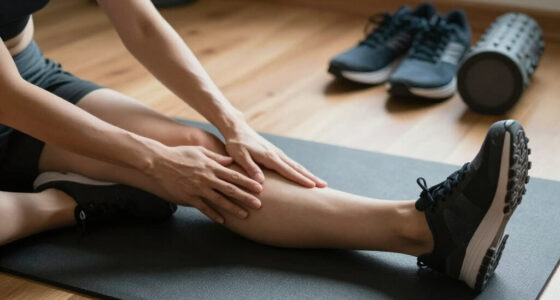
LISS, or Low-Intensity Steady-State cardio, is about keeping a consistent, moderate effort for longer periods. Picture a brisk walk or a light bike ride that lasts 40 to 60 minutes. Your heart rate stays around 50–65% of its max, making it sustainable and easy on your joints.
This approach allows your body to burn fat primarily from stored fat reserves over extended durations, which can be more sustainable for many people. It also minimizes fatigue and reduces the risk of injury, making it ideal for beginners, those recovering from injury, or anyone seeking a less stressful form of exercise. The tradeoff here is that LISS requires more time commitment to achieve comparable calorie burn, and some may find it less stimulating or motivating, especially if they prefer variety or shorter workouts. Understanding this helps you decide if you’re better suited for longer, moderate sessions or if you need quicker results through higher-intensity options.
As an affiliate, we earn on qualifying purchases.
How do HIIT and LISS stack up side by side?
| Feature | HIIT | LISS |
|---|---|---|
| Duration | 15–30 minutes | |
| Intensity | Near maximum effort | |
| Recovery | Short breaks between intense bursts | |
| Calorie burn | High during and after workout | |
| Suitability | For busy schedules, advanced exercisers | |
| Impact on joints | Higher risk if not done carefully | |
| Endurance building | Moderate to high | |
| Fat burning | Effective in short time, significant afterburn |
high intensity interval training shoes
As an affiliate, we earn on qualifying purchases.
As an affiliate, we earn on qualifying purchases.
Which cardio style works best for your goals?
If your goal is quick fat loss and time efficiency, HIIT is your best bet. In just 15–20 minutes, you can torch calories and boost metabolism. It’s perfect for busy mornings or lunch break workouts.
On the other hand, if you want to build endurance, recover from injury, or enjoy a gentler routine, LISS fits the bill. Longer sessions help burn fat steadily and improve your aerobic capacity over time.
For example, a person training for a 5K race might prefer LISS for endurance, while someone looking to shed a few pounds fast might opt for HIIT. The key is aligning your workout style with your personal goals and lifestyle.
As an affiliate, we earn on qualifying purchases.
Can I mix HIIT and LISS? Yes—and here’s why you should.
Absolutely. Combining both approaches can give you a balanced fitness routine. For example, you might do HIIT twice a week for intensity and quick results, then add LISS sessions on other days to build endurance and promote recovery.
This mix prevents boredom, reduces injury risk, and targets different energy systems. It’s like having the best of both worlds. Many trainers recommend rotating styles every few weeks to keep your body adapting and progressing.
Understanding the implications of combining these methods is crucial. While mixing can enhance overall fitness, it also requires careful planning to avoid overtraining or inadequate recovery. Recognizing your body’s signals and adjusting frequency and intensity accordingly ensures you maximize benefits without risking burnout.
How often should you do each style?
For most people, 2–3 HIIT sessions per week are enough to see benefits without risking burnout. Each session lasts about 15–20 minutes. Conversely, LISS can be done 3–5 times weekly, with sessions lasting 30–60 minutes.
It’s important to note that frequency should be tailored to individual recovery capacity and overall training volume. Overdoing HIIT can lead to fatigue or injury because of its high intensity, while excessive LISS might lead to plateaus if not combined with other training modalities. Beginners should start with lower frequency and gradually increase as their endurance and strength improve. Listening to your body and allowing adequate rest between sessions helps optimize progress and prevent setbacks.
Is one style safer or better for your heart health?
Both HIIT and LISS can improve cardiovascular health, but they serve different needs and come with distinct considerations. HIIT’s intense bursts can rapidly strengthen heart muscles and improve VO2 max, which benefits overall heart health. However, this intensity also increases the risk of overexertion, arrhythmias, or injury, especially if performed improperly or without medical clearance. LISS, on the other hand, offers a sustained, moderate challenge that promotes heart health gradually and with less stress on the cardiovascular system. It’s particularly suitable for individuals with pre-existing conditions, older adults, or those new to exercise. Recognizing these tradeoffs helps you choose the safest and most effective approach based on your health status. Consulting with a healthcare professional before starting high-intensity routines ensures your plan aligns with your cardiovascular health and minimizes risks.
Frequently Asked Questions
Is HIIT safe for beginners?
Yes, but beginners should start slowly, focusing on proper form and gradual intensity. It’s best to begin with shorter intervals and longer recovery periods, then build up over time with guidance from a qualified trainer or health professional.
How do I know if LISS or HIIT is better for me?
Think about your goals and current fitness level. Want quick fat loss? HIIT might suit you. Looking for endurance or low-impact exercise? LISS could be a better fit. Trying both can help you determine which approach feels more sustainable and enjoyable, ensuring long-term adherence and success.
Can I do both in the same week?
Absolutely. Mixing both styles offers variety, prevents boredom, and targets different energy systems. Alternating between HIIT and LISS allows you to maximize cardiovascular benefits while reducing the risk of overtraining, provided you schedule adequate rest and recovery days.
How long before I see results?
Results vary based on your consistency, diet, genetics, and workout intensity. Some may notice increased energy or endurance within a few weeks, but visible fat loss and significant fitness improvements often take several weeks to months. Staying consistent and patient, combined with proper nutrition, is key to sustainable progress.
Should I consult a professional before starting high-intensity workouts?
Yes. Especially if you have health issues or concerns. A healthcare provider or certified trainer can help tailor a safe, effective, and personalized plan that aligns with your current fitness level and health status, reducing the risk of injury or adverse events.
Conclusion
Choosing between HIIT and LISS isn’t about which is better—it’s about which fits your goals and lifestyle. Both styles can be powerful tools in your fitness toolbox, especially when combined thoughtfully.
Imagine your ideal routine: a mix of quick sprints and steady walks, pushing your limits while giving your body time to recover. That’s how you build lasting, sustainable fitness. So, pick what excites you, start small, and enjoy the journey.
Fall Picks
fall essentials
As an affiliate, we earn on qualifying purchases.