
TL;DR
Listen free for 30 days with Audible
Thousands of audiobooks and originals — cancel anytime.
Start your free trialAs an affiliate, we earn on qualifying purchases.
A beginner routine that builds a real foundation centers on compound exercises, gradual progression, consistency, and proper recovery. It’s about creating habits and mastering form to set yourself up for long-term success.
Starting a fitness routine can feel overwhelming. You see all the fancy workouts and wonder where to begin. The truth is, a simple, focused approach builds a stronger, healthier foundation.
This guide walks you through the core elements of a beginner routine—what exercises to do, how often, and why these choices matter. It’s about steady progress, not quick fixes. If you’re ready to build a routine that sticks and truly supports your goals, read on.
Prioritize compound movements like squats and deadlifts to build a solid base.
Progress gradually—small, consistent increases prevent injury and boost confidence.
Consistency and recovery are equally important—stick to a schedule and rest well.
Track your workouts to stay motivated and see real progress over time.
Make your routine enjoyable by mixing exercises and finding what keeps you engaged.
The Beginner Routine That Builds a Real Foundation
A real beginner routine is not fancy. It is built from compound lifts, gradual progression, consistent practice, and recovery that lets the body adapt. The goal is to master movement first, then layer on strength that lasts.
Most beginners need several consistent months to build reliable strength, skill, and training habits.
Training three to four days per week balances practice, recovery, and momentum.
Consistency beats intensity when the mission is becoming someone who trains.
Core PrincipleUse manageable resistance until technique feels repeatable.
Noticeable strength and confidence often show up with steady work.
Add reps, weight, or difficulty gradually every one to two weeks.
Recovery days are part of the program, not time away from it.
The Four Pillars
A beginner foundation is strongest when training stays simple enough to repeat and complete enough to cover the whole body.
Compound First
Squats, deadlifts, presses, rows, and push-ups train multiple muscle groups at once, creating strength that carries into daily life.
Small Increases
Progressive overload works best when increases are modest. The body adapts, confidence rises, and injury risk stays lower.
Form Before Load
Clean movement patterns make every future workout more productive. A lighter, better rep is more valuable than a heavy messy one.
Rest to Grow
Muscles get stronger between sessions. Sleep, food, and rest days support the work you do under the bar or on the mat.
Log the Work
Recording sets, reps, and weights turns vague effort into visible progress and helps you spot plateaus early.
Make It Livable
A routine that fits your schedule will beat a perfect routine you abandon. Enjoyment is a practical training variable.
Safe Progression Flow
The best beginner plan builds skill, then capacity, then intensity. Each step earns the next one.
Choose Easy
Begin with bodyweight, light dumbbells, or a weight you can control.
Practice Form
Repeat the same core lifts until the movement feels stable.
Track Reps
Write down sets, reps, resistance, and how the session felt.
Add Slowly
Increase weight or reps in small jumps every one to two weeks.
Recover
Use rest days, sleep, and nutrition to let strength consolidate.
The Best Five Foundation Exercises
These movements cover the major patterns beginners need: squat, hinge, push, press, and pull.
| Exercise | Primary Muscles | Foundation Value | Beginner Note |
|---|---|---|---|
| Squats | Quadriceps, glutes, core | ✓ Builds leg and hip strength for stability, mobility, and everyday movement. | Start with bodyweight or a light goblet squat. |
| Deadlifts | Back, glutes, hamstrings | ✓ Trains the posterior chain, posture, and safer lifting mechanics. | ~ Learn the hinge pattern before adding load. |
| Push-ups | Chest, shoulders, triceps | ✓ Develops upper-body pushing strength and core control. | Use an incline if floor reps break form. |
| Overhead Press | Shoulders, triceps, core | ✓ Improves pressing strength, shoulder stability, and posture. | Keep ribs down and use light dumbbells first. |
| Rows | Back, biceps, core | ✓ Balances pressing, supports posture, and reduces muscular imbalance. | ✗ Do not yank with momentum; pull with control. |
Build the Habit, Not Just the Workout
Motivation rises and falls. A foundation routine succeeds because the system is easy to resume.
Weekly Structure
Train three days per week with rest or light mobility between sessions. Repeat the same core lifts long enough to see measurable improvement.
- 1Full-body compound workout
- 2Rest, walk, or mobility work
- 3Full-body compound workout
- 4Rest and sleep priority
- 5Full-body compound workout
Progress Rules
Use small, repeatable targets. The routine should create visible wins without forcing risky jumps in load.
- +Add one or two reps before adding weight.
- +Increase resistance only when form stays clean.
- +Keep one or two reps in reserve on most sets.
- +Celebrate completed weeks, not just heavier lifts.
- +Adjust when fatigue, pain, or schedule stress climbs.
The Beginner Intensity Sweet Spot
Progress should feel challenging but repeatable. Too easy creates no signal; too hard makes recovery and consistency fragile.
What Holds the Routine Together
Strength is the visible result. The invisible structure is recovery, nutrition, tracking, and patience.
Key Insight
Beginners who focus on compound movements and progressive overload during the first three to six months tend to build more consistent strength while reducing avoidable injury risk.
Traceability Chain
Each concept connects to the next. Miss one link and the routine becomes less durable.
Why Focus on Compound Movements First
Compound movements are exercises that work multiple muscle groups at once. Think squats, deadlifts, or push-ups. They mimic real-life movements and stimulate more muscle fibers than isolated exercises.
For example, when you squat, you’re engaging your thighs, hips, core, and even your back. This comprehensive engagement helps you develop strength that transfers to daily activities, sports, and other fitness pursuits. The implication is that by prioritizing these exercises, you’re training your body in a way that maximizes efficiency and functional strength.
Starting with these exercises helps you develop a solid base, making other movements easier and reducing injury risk. Plus, they burn more calories and boost your metabolism faster. However, they also require good form; poor technique can lead to injuries, which is why mastering proper movement patterns early on is crucial.
Focusing on compound movements also means you get more bang for your buck—working multiple muscles simultaneously accelerates your progress and saves time. The tradeoff is that they can be more challenging to learn and require more attention to technique initially, but this investment pays off in increased strength and injury prevention.
As an affiliate, we earn on qualifying purchases.
How to Progress Safely and Effectively
- Begin with a manageable weight or resistance. Focus on mastering form before increasing weight. Prioritizing proper technique reduces injury risk and ensures your muscles adapt correctly, leading to sustainable strength gains.
- Track your workouts—note down reps, sets, and weights. This record helps you recognize patterns, identify plateaus, and plan incremental increases, which are essential for avoiding stagnation and overtraining.
- Gradually add small increments—every 1-2 weeks—so your muscles adapt without risking injury. This gradual overload is the cornerstone of strength development, but it also requires patience; rushing increases can lead to fatigue or injury, setting back your progress.
- Prioritize rest days to let muscles recover and grow stronger. Overtraining can cause burnout and injury, negating your efforts. Listening to your body and allowing adequate recovery ensures consistent progress and prevents setbacks.
For example, if you start squatting with just your body weight, adding a light dumbbell after 2-3 weeks can help you challenge your muscles further without overwhelming them. This approach ensures steady progress while minimizing injury risk. It also helps your body adapt gradually, which is essential for building long-term strength and avoiding burnout. The tradeoff is that slower progression might feel less exciting initially, but it creates a safer and more sustainable path to your goals.
As an affiliate, we earn on qualifying purchases.
The Best 5 Exercises to Build Your Foundation
| Exercise | Targeted Muscles | Why It’s Important |
|---|---|---|
| Squats | Quadriceps, glutes, core | Builds leg and hip strength, which are essential for stability and mobility. Strong legs support your entire body, reduce the risk of falls, and improve posture. Developing these muscles early ensures you can perform daily tasks more efficiently and safely. Additionally, a strong lower body serves as the foundation for many other movements, making it easier to progress in other exercises. |
| Deadlifts | Back, glutes, hamstrings | Enhances posterior chain strength, crucial for lifting, posture, and injury prevention. A strong posterior chain supports your spine and reduces lower back pain, which is common among beginners. It also improves athletic performance and functional movement patterns. The tradeoff is that deadlifts require precise technique to avoid injury, so learning proper form is essential before increasing weight. |
| Push-ups | Chest, shoulders, triceps | Develops upper-body pushing power necessary for daily activities like pushing doors or lifting objects. They also engage core muscles, aiding in stability. Mastering push-ups early builds confidence and provides a foundation for more advanced pushing movements. They can be modified to increase difficulty as you progress, making them versatile for all levels. |
| Overhead Press | Shoulders, triceps, core | Improves shoulder stability and pressing strength, which are vital for overhead movements and maintaining good posture. Strengthening these muscles helps prevent shoulder injuries and enhances your ability to lift or reach overhead safely. This exercise also promotes balanced shoulder development, which reduces the risk of muscular imbalances that can lead to injury. |
| Rows | Back, biceps, core | Balances pressing movements, supports good posture, and prevents muscular imbalances. Strong back muscles reduce the risk of shoulder injuries and back pain, which are common in sedentary lifestyles. Including rows ensures a comprehensive upper-body routine. The tradeoff is that rows require proper technique to maximize benefits and prevent strain, so focus on form as you progress. |
As an affiliate, we earn on qualifying purchases.
How to Stay Consistent When Motivation Wanes
Consistency beats intensity. Even if you’re tired or busy, showing up matters more than perfect workouts. Developing a routine that fits your schedule creates habits that become part of your lifestyle, making it easier to stay committed long-term. When workouts are integrated into your daily life, they become less of a chore and more of a natural activity.
Set simple goals like ‘I’ll do 3 workouts this week’ rather than vague ambitions. Clear, achievable goals help maintain focus and provide a sense of accomplishment. Tracking your progress not only keeps you accountable but also helps you see tangible results, which fuels motivation.
Celebrate small wins—like completing a week of workouts or increasing your reps. These milestones reinforce positive habits. Additionally, finding ways to make workouts enjoyable—such as listening to your favorite music or exercising with friends—can turn a chore into a rewarding experience, increasing adherence over time.
Maintaining consistency also means understanding that setbacks are normal. Life happens, and some days you might miss a workout. The key is to get back on track without guilt, recognizing that long-term progress depends on overall patterns rather than perfection in every session.
As an affiliate, we earn on qualifying purchases.
What You Need to Know About Rest and Recovery
Rest days are just as vital as workout days. Muscles don’t grow when you’re lifting; they grow during recovery. Overtraining can lead to fatigue, injury, or setbacks, which derail your progress and can cause frustration. Proper rest allows your muscles to repair and adapt, making your workouts more effective over time.
Plan at least 1-2 full rest days per week, depending on your intensity and volume. Sleep quality is equally important; aim for 7-9 hours of restful sleep each night, as sleep is when most recovery and muscle rebuilding occurs. Nutrition also plays a crucial role: consuming adequate protein supplies the building blocks for muscle repair, while hydration ensures your muscles function optimally. Neglecting recovery can lead to burnout, injuries, and a plateau in progress, so listening to your body and prioritizing rest is essential for sustainable growth.
Think of your muscles like a brick wall—each workout adds a brick, but without mortar (rest), the wall becomes unstable and prone to collapse. Rest and recovery are the mortar that holds your progress together, ensuring your foundation remains strong and durable over time. Ignoring this can lead to setbacks that set you back weeks, making recovery an essential investment in your long-term success.
Tracking Your Progress Without Overdoing It
Keeping tabs on your workouts helps you see progress, stay motivated, and make informed adjustments. Use a simple journal or app to record exercises, weights, reps, and how you felt during each session. This record provides valuable insights into your consistency and helps you identify when you’re ready to increase intensity or need to back off.
Every 2-4 weeks, review your log to assess your progress. If you’ve increased weights or reps, it indicates your muscles are adapting positively. If progress stalls, consider changing your routine—adding variety, increasing intensity, or allowing more recovery time. Remember, progress isn’t always linear; some weeks you’ll see noticeable gains, while others focus on perfecting form or recovering from fatigue. Patience and consistency are key to long-term success. Regularly tracking your workouts also helps you recognize patterns and avoid plateaus, which are normal but can be mitigated with strategic adjustments.
Frequently Asked Questions
How often should I do this beginner routine?
Aim for 3 to 4 sessions per week, with rest days in between. This frequency allows enough stimulus for progress while giving your body time to recover.
Can I do this at home without equipment?
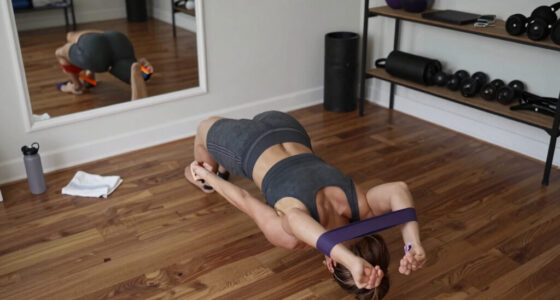
Absolutely. Many exercises like push-ups, bodyweight squats, and planks require no equipment. For added resistance, consider investing in a set of dumbbells or resistance bands.
How do I avoid injury while starting out?
Focus on proper form first. Use lighter weights or just your body weight until you’re confident. Consider watching instructional videos or working with a trainer if possible. Always listen to your body—stop if you feel pain.
When will I see results?
Most beginners notice strength gains and body changes within 4 to 8 weeks with consistent effort. Patience is key—building a solid foundation takes time.
Is this routine suitable for all ages?
Generally yes, but always consider individual health conditions. Consult a qualified professional if you have pre-existing injuries or concerns. The routine can be adapted for different fitness levels.
Conclusion
Starting with a simple, well-rounded routine sets you up for long-term success. Focus on mastering fundamental movements, progressing steadily, and listening to your body. Over time, this approach builds not just muscles, but habits that last.
Remember: progress is a journey, not a race. Keep it steady, stay curious, and enjoy the process of becoming stronger and more confident in your body.
Flea & tick season Picks
flea and tick prevention
As an affiliate, we earn on qualifying purchases.