
TL;DR
Listen free for 30 days with Audible
Thousands of audiobooks and originals — cancel anytime.
Start your free trialAs an affiliate, we earn on qualifying purchases.
Starting running can feel overwhelming, but focusing on gradual progress, enjoyment, and proper gear makes it easier. Recent research shows running benefits mental health and is more accessible than ever with apps and community support.
Running often gets a bad rap, especially for beginners. You might picture sore muscles, boredom, or just plain hating every minute. But what if you could enjoy running from the start—without forcing yourself or feeling like it’s a chore?
This guide is about making running feel doable and even fun. You’ll learn simple tricks, recent developments, and real-world strategies to help you build a sustainable running routine that doesn’t make you dread the next workout.
Start with walk-run intervals to build endurance without overwhelming yourself.
Invest in supportive shoes and comfy clothes to make runs more pleasurable.
Set small, achievable goals and celebrate each one to stay motivated.
Use technology and community support to keep progress fun and consistent.
Prioritize listening to your body to prevent injuries and maintain enjoyment.
Start Slow and Build Gradually to Avoid Burnout
Running for beginners isn’t about pounding pavement every day. It’s about creating a gentle rhythm that your body can handle. Starting with walk-run intervals helps your muscles adapt without overwhelming you. For example, run for 1 minute, walk for 2, and repeat for 20 minutes.
Over time, increase your running intervals by 30 seconds or a minute. Stick to this gradual plan, and your body will thank you. It’s like planting a seed and watering it carefully—slow growth leads to a stronger, happier runner.
As an affiliate, we earn on qualifying purchases.
Gear Up with the Right Shoes and Clothes
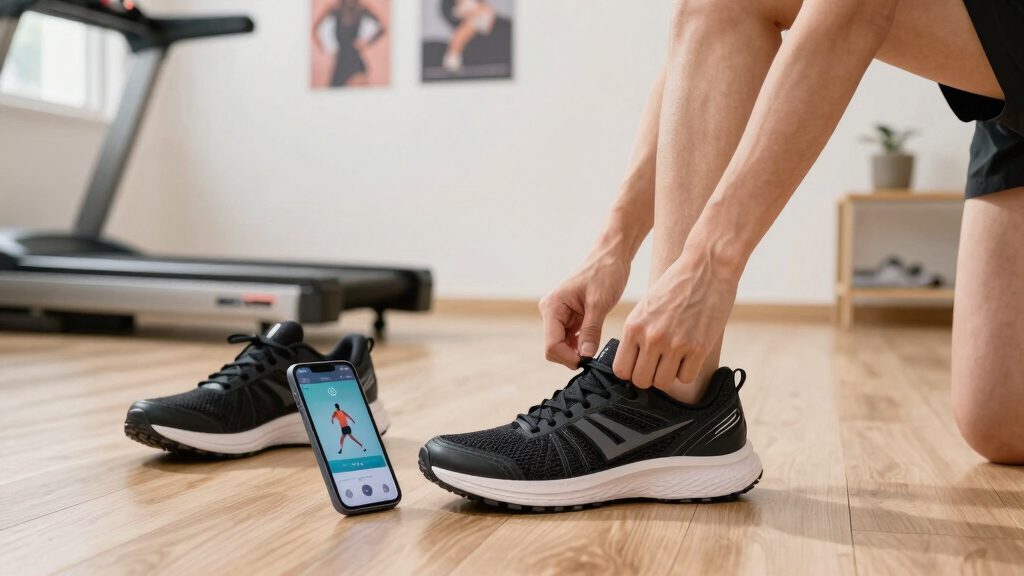
Ever tried running in worn-out sneakers? It’s like trying to walk on gravel. For beginners, investing in good running shoes suited to your foot type is essential. Visit a specialty store or get fitted by a professional. Look for shoes that cushion impact and feel supportive.
Pair that with moisture-wicking clothes—think lightweight, breathable fabrics that keep sweat away. This combo makes your runs more comfortable and less frustrating.
As an affiliate, we earn on qualifying purchases.
Set Realistic Goals and Celebrate Small Wins
Running isn’t about hitting a certain distance or speed overnight. Instead, focus on consistency. Aim for three runs a week, even if each session is only 15-20 minutes. Track your progress with a simple app or journal. Each week, celebrate the fact that you showed up.
For example, if you managed to run without stopping for 10 minutes, that’s a win! These small victories build confidence and keep motivation high.
As an affiliate, we earn on qualifying purchases.
Listen to Your Body and Avoid Common Injuries
Running can be tough on muscles and joints, especially if you push too hard too soon. Paying close attention to how your body responds is crucial because it helps prevent injuries that can derail your progress. If you notice persistent pain or fatigue, it’s a sign to rest or switch to gentler activities. Ignoring these signals might lead to more serious issues like stress fractures or tendinitis, which can set back your progress significantly. Incorporating stretching and strength exercises addresses muscle imbalances and improves joint stability, reducing injury risk. Proper footwear isn’t just about comfort—it’s about protecting your joints and muscles from undue stress. Recognizing early warning signs and responding appropriately ensures that your running journey remains sustainable and injury-free.
Understanding the importance of listening to your body means recognizing that soreness, fatigue, or minor aches are normal, but persistent pain is a warning sign. Differentiating between normal discomfort and injury helps you make smarter decisions, like taking rest days or seeking professional advice. This approach prevents setbacks and ensures that running remains a positive, injury-free activity that can be integrated into your lifestyle long-term.
As an affiliate, we earn on qualifying purchases.
Make Running Enjoyable with Music, Scenery, or Company
Running becomes a lot more appealing when it’s fun. Try listening to your favorite playlist or a new podcast. Choose scenic routes—like parks or trails—that change your view and keep boredom at bay. Running with friends or joining local groups can turn exercise into social time.
Imagine a crisp morning, leaves crunching underfoot, and your favorite tunes energizing you. That’s how running can become a highlight of your day, not a chore.
Compare Common Running Shoes: What Works Best for Beginners
| Feature | Neutral Shoes | Stability Shoes |
|---|---|---|
| Cushioning | Soft, plush feel, absorbs impact | Moderate, supportive |
| Best for | High arches, neutral gait | Overpronators, flatter feet |
| Price Range | $50–$150 | $60–$180 |
Recent Changes Making Running Easier for Beginners
Technology has transformed how beginners start running. Apps like Couch to 5K guide you through gradual progress, making the journey less intimidating. Wearables like Fitbits or Apple Watches give real-time feedback on your pace and heart rate, helping you stay safe and motivated.
Plus, there’s a growing push for inclusive, diverse running communities that welcome everyone. Research shows that social support boosts adherence, making it easier to stick with a new habit.
How Running Benefits Your Mind and Body, Even as a Beginner
Running isn’t just about fitness. Regular sessions—just 20-30 minutes, three times a week—can lift your mood and clear your mind. It boosts endorphins, those feel-good chemicals, which fight stress and anxiety. According to an anonymous researcher, consistent moderate running improves mental health more than many realize.
Physically, it strengthens your heart, improves circulation, and helps maintain a healthy weight. Even if you’re slow or struggle at first, every step adds to your well-being.
Frequently Asked Questions
How do I start running without feeling overwhelmed?
Begin with walk-run intervals, like 1 minute running, 2 minutes walking, and gradually increase the running time. Keep your goals small and celebrate each session to build confidence without stress.
What should I wear for my first runs?
Choose lightweight, moisture-wicking clothes and supportive running shoes suited to your foot type. Comfort is key—if your shoes hurt after the first mile, it’s worth getting fitted for the right pair.
How can I stay motivated to keep running?
Set simple, achievable goals like running three times a week. Track your progress with an app or journal, and run with friends or join a local group to add social motivation. Remember, consistency beats intensity.
How do I prevent injuries as a beginner?
Incorporate rest days, do gentle stretching, and strengthen key muscles with cross-training activities. Proper footwear also reduces strain. Listen to your body and don’t push through pain.
Is it normal to hate running at first?
Absolutely. Most beginners find running challenging initially. Patience, small steps, and making it fun—like listening to music or exploring new routes—can turn dislike into enjoyment over time.
Conclusion
Running can be a joyful habit, not a dreaded chore, if you take it slow and keep it enjoyable. Focus on consistency, celebrate small wins, and remember—every runner was once a beginner. Your best run might still be ahead.
So lace up, breathe in that fresh air, and embrace the journey. Running isn’t about perfection; it’s about showing up and finding what makes you feel alive.
Fall Picks
fall essentials
As an affiliate, we earn on qualifying purchases.