TL;DR
Rubber flooring is the most durable and shock-absorbent, perfect for heavy workouts. Foam offers cushioning for lighter activities but wears faster. Tile options are customizable and easy to repair. Your choice depends on usage, budget, and aesthetics.
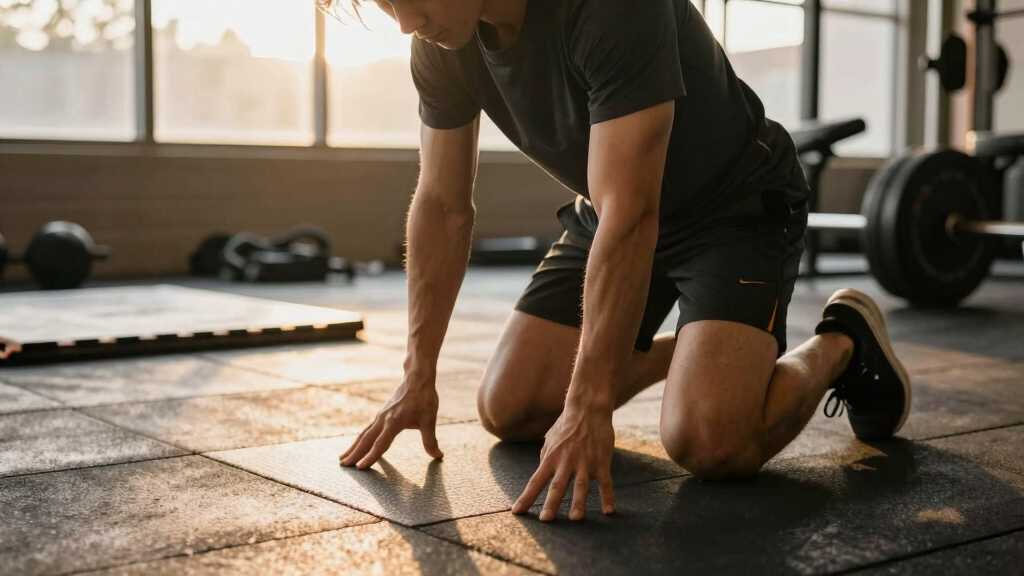
Imagine stepping into your home gym. The floor beneath your feet is more than just a surface; it’s a foundation for safety, comfort, and style. Choosing the right material isn’t just about looks—it’s about how your workout space performs day after day.
Whether you’re stacking heavy weights, stretching on a yoga mat, or doing high-impact cardio, your flooring needs to support your activities. This guide unpacks the three main options—rubber, foam, and tile—so you can make an informed decision that lasts.
Rubber flooring offers the best durability and shock absorption for heavy use and long-term investment.
Foam mats are ideal for low-impact activities and quick setup but wear out faster and provide less support.
Interlocking tiles give you flexibility in design and easy repair, with rubber and PVC options suited for different budgets and aesthetics.
Choose your flooring based on activity type, budget, and space; no one-size-fits-all solution exists.
Routine maintenance, proper installation, and understanding material lifespan help your flooring last longer and perform better.
What is rubber flooring, and why is it a favorite for serious workouts?
Rubber flooring is a dense, resilient surface made from recycled tires or synthetic rubber. Its primary advantage lies in its ability to withstand the rigors of intense workouts—heavy weights, high-impact movements, and constant foot traffic—without cracking or tearing. This durability is crucial because it directly influences safety and long-term cost-effectiveness. When your flooring resists damage, it reduces the need for frequent replacements, saving money and minimizing downtime in your workout routine.
Think of rubber flooring as the sturdy foundation of a skyscraper—supportive, long-lasting, and nearly indestructible under stress. For example, commercial gyms often use rubber because it can handle thousands of pounds of equipment and foot traffic daily, ensuring safety and performance over years of use. Its resilience also means it maintains its appearance and protective qualities over time, which is vital for motivating a consistent workout environment.
Furthermore, rubber flooring’s slip-resistant surface isn’t just a safety feature; it’s a confidence booster, especially during sweaty or high-energy exercises. The shock absorption it provides helps protect your joints and equipment, reducing injury risk and equipment wear—factors that are especially important if you’re serious about your training or investing in home gym longevity.

AIRHOP 0.56in Thick 48 Sq Ft Exercise Equipment Mats, 12 Tiles Upgraded Rubber Top with High Density EVA Foam, Large Interlocking Puzzle Gym Flooring for Home Gym, Heavy Weight Workout, 24 x 24in
- Dual-Layer Design: Rubber top with high-density EVA foam base
- Easy Assembly: Interlocking tiles for quick setup and removal
- Large Coverage: 48 sq ft with 12 tiles, 24×24 inches each
As an affiliate, we earn on qualifying purchases.
As an affiliate, we earn on qualifying purchases.
How does foam flooring compare in softness, safety, and ideal use cases?
Foam flooring offers a different set of benefits rooted in its softness and lightweight nature. Its cushioning properties make it ideal for activities that prioritize comfort and low-impact movement—think yoga, Pilates, stretching, or bodyweight exercises. The material—usually EVA or polyethylene foam—absorbs impact, which can reduce fatigue and joint stress, making workouts more comfortable and accessible, especially for beginners or those with joint sensitivities.
However, the tradeoff lies in its durability. Foam flooring’s softness means it’s less capable of withstanding the rigors of heavy lifting or high-impact plyometric exercises. It dents, tears, and compresses over time, particularly if exposed to sharp objects or excessive weight. This wear can compromise safety and aesthetics, leading to uneven surfaces that might cause slips or trips.
For example, a home gym with foam mats might serve well for a few years if used primarily for light activities. But if you start lifting heavier weights or doing high-impact cardio regularly, the foam’s lifespan shortens, and its cushioning diminishes. Its lightweight and roll-up capability, however, make it highly versatile for temporary setups or spaces that require frequent rearrangement, offering flexibility that other materials lack.
In essence, foam flooring is about balancing comfort and convenience against durability. It’s best suited for low-impact, beginner, or multipurpose spaces where ease of installation and comfort outweigh the need for long-term resilience.

Haulcove 18 Pcs EVA Foam Floor Tiles, Puzzle Exercise Mat Set for Gym
- Dual-Texture Design: Textured top and bottom surfaces
- High-Density EVA Foam: Resists wear, cracking, and tearing
- Water-Resistant Surface: Easy to clean after spills or sweat
As an affiliate, we earn on qualifying purchases.
As an affiliate, we earn on qualifying purchases.
Which type of gym tile fits your space: rubber or PVC, and what are their differences?
| Feature | Rubber Tiles | PVC Tiles |
|---|---|---|
| Durability | Very high, lasts 10-20 years with proper care | Moderate, depends on thickness and quality |
| Installation | Interlocking, easy to assemble | Interlocking or peel-and-stick options |
| Appearance | Natural rubber look, available in various colors | More vibrant, customizable colors and patterns |
| Cost | Typically more expensive upfront | Generally cheaper, budget-friendly options |
| Maintenance | Easy to clean, resistant to stains |
Rubber tiles are known for their exceptional durability and shock absorption, making them an excellent choice for weightlifting zones or high-traffic areas where longevity is crucial. They help prevent damage to underlying surfaces and protect your joints during intense workouts. PVC tiles, on the other hand, offer more vibrant options and are easier to customize with patterns or branding. They’re often chosen for aesthetic appeal or specific design themes.
The decision between rubber and PVC tiles hinges on understanding what your workout space demands. If your priority is resilience and durability—especially for heavy weights—rubber tiles are the better choice. If you want a more colorful, design-oriented surface that’s easier to replace and customize, PVC tiles might suit your needs better. Both options provide a modular approach, allowing for easy repairs and reconfigurations as your gym evolves.
AIRHOP 0.56in Thick 48 Sq Ft Exercise Equipment Mats, 12 Tiles Upgraded Rubber Top with High Density EVA Foam, Large Interlocking Puzzle Gym Flooring for Home Gym, Heavy Weight Workout, 24 x 24in
- Dual-Layer Design: Rubber top with high-density EVA foam base
- Easy Assembly: Interlocking tiles for quick setup and removal
- Large Coverage: 48 sq ft with 12 tiles, 24×24 inches each
As an affiliate, we earn on qualifying purchases.
As an affiliate, we earn on qualifying purchases.
Frequently Asked Questions
Which type of flooring is best for a home gym?
It depends on your activities. For weightlifting and high-impact workouts, rubber flooring offers durability and support. For light exercises, yoga, or stretching, foam mats are more comfortable and easier to install.How do I choose the right thickness for my gym flooring?
Assess your activity level—heavier weights need thicker, more shock-absorbent flooring. For general use, 1/4 to 1/2 inch works. For lifting heavy weights, 3/4 inch or more can provide better protection and stability.Are rubber floors safe for children or beginners?
Yes, rubber floors are slip-resistant and absorb impact, making them safe for all ages. Just ensure the surface is clean and free of debris to prevent slipping.Can I install gym flooring over existing floors?
In many cases, yes. Interlocking tiles and mats can be placed over concrete or wood floors, but check for level surfaces and avoid trapping moisture underneath to prevent issues like mold or warping.How much maintenance do rubber vs. foam flooring require?
Rubber floors are easy to sweep and mop regularly. Foam mats need gentle cleaning and should be kept dry to prevent mold. Both materials benefit from routine inspections for damage or wear.
Grytfit Interlocking Rubber Floor Tiles – Heavy Duty 100% Rubber Gym Flooring for Home Gym, Garage, Workout Room, Equipment Mats, Indoor/Outdoor Mats, Gray Fleck 4-Pack (4, Gray Fleck, 22.5" x 22.5")
- Material: 100% heavy-duty rubber for durability
- Manufacturing: Made in the USA with quality control
- Construction: Solid rubber tiles without foam or fillers
As an affiliate, we earn on qualifying purchases.
As an affiliate, we earn on qualifying purchases.
Conclusion
Picking the right gym flooring is about matching material strengths to your workout style and space. Rubber is the reliable workhorse, foam adds comfort for lighter routines, and tiles give you creative freedom. Think about what matters most—durability, safety, style—and your perfect flooring will follow.
Remember: your gym floor isn’t just a surface. It’s the foundation for your progress, your safety, and your motivation. Invest wisely, care regularly, and enjoy your workouts on a surface that supports every step.