
TL;DR

Get workout gear delivered free with Prime
- Fast, free delivery on millions of items
- Prime Video, Amazon Music and more included
- Member-only deals all year
Regular physical activity is linked with modest improvements in sleep quality and duration, and it may make falling asleep easier for some people. You do not need a perfect workout or a universal bedtime rule: choose movement you can repeat, notice how its timing affects you, and treat exercise as one part of sleep health.
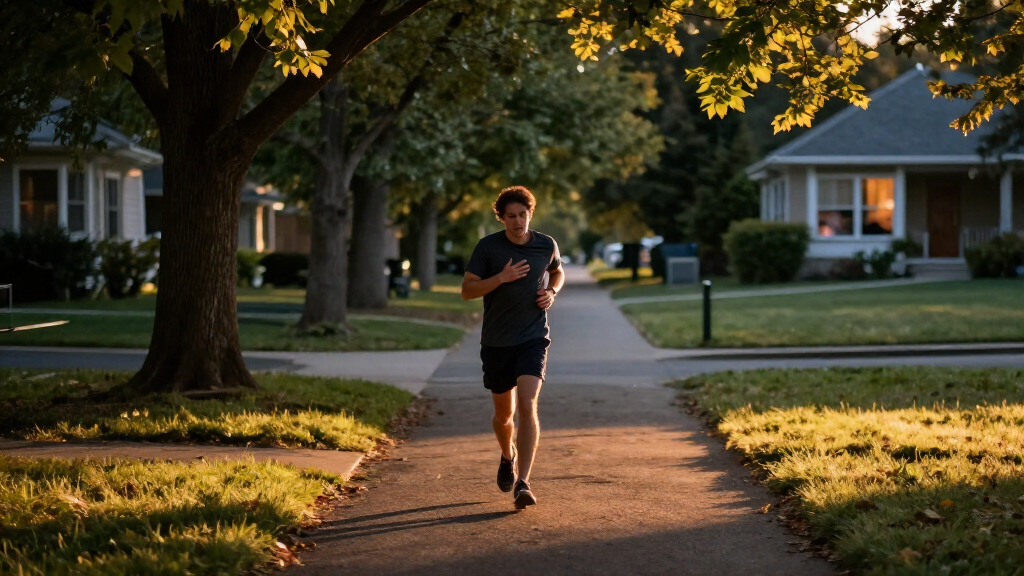
A short walk after dinner can leave you pleasantly tired—or too alert to settle down. That difference is a useful reminder: exercise and sleep are connected, but their relationship is personal, not a simple switch you flip with one workout.
Regular physical activity is linked with modest improvements in sleep quality and duration, and may make it easier for some people to fall asleep. In this guide, you’ll learn what that link means, how to find a movement routine that fits your life, and how to think about workout timing without getting caught in rigid rules.
You’ll also see where exercise fits alongside a steady sleep schedule, a comfortable bedroom, and professional help when sleep troubles persist. The aim is a more supportive routine, not a promise that a walk or a gym session will fix every difficult night.
Regular activity is linked with modest improvements in sleep quality and duration; one workout does not guarantee better sleep that night.
Choose a sustainable activity such as walking, cycling, strength training, or yoga rather than chasing a single best exercise.
Evening exercise does not harm everyone’s sleep; test your own response and adjust the timing or intensity if you feel wired.
Look at sleep schedules, bedroom comfort, caffeine, alcohol, and stress alongside exercise.
Talk with a qualified clinician about persistent sleep trouble, severe daytime sleepiness, loud snoring, or gasping during sleep.
The Quiet Link Between Exercise and Better Sleep
Regular movement is linked with modest sleep improvements, but the effect varies by person. A repeatable routine and your own response matter more than a perfect workout or bedtime rule.
How the connection works
Movement and restful sleep can support each other over time.
- Can ease stress and support mood
- May make winding down easier
- May help some people with insomnia over time
- Rest can help with energy for movement
- A gentle walk can still count after a restless night
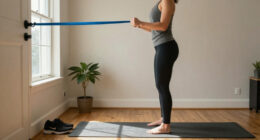
Choose movement you can repeat
There is no clear winner for everyone, and no exact sleep-specific dose.
Walking
A familiar, manageable way to add movement to your day.
Cycling or strength work
Choose an activity that fits your interests and health.
Yoga or stretching
Gentler movement may suit a day when a hard workout feels like too much.
Find your workout timing
Evening exercise does not disrupt everyone’s sleep; intensity and personal response matter.
For a couple of weeks, note the activity, when it ends, and whether you feel settled or alert at bedtime.
If vigorous late exercise leaves you wired, try finishing earlier or choosing an easy walk or gentle stretching.
Support sleep from several angles
Exercise is one part of sleep health.
How exercise and sleep can support each other
Exercise and better sleep can support each other through modest changes in sleep quality, duration, and how easily you fall asleep. Regular movement can also help with stress and mood, while restful sleep can make it easier to have energy for activity the next day. The link works more like a steady breeze than a light switch.
Across studies, regular activity is associated with better sleep, although the size of the benefit varies. That means a week of walks may help your nights feel a little steadier without turning every night into perfect sleep. Research also suggests activity may help some people with insomnia, especially when they keep it up over time.
The connection may involve more than physical tiredness. A walk can offer a break from work messages, a chance to breathe deeply, and a way to shift out of a tense afternoon. If you finish a 20-minute stroll feeling less wound up, that calmer state may make your usual wind-down routine easier to follow.
Sleep can also shape your activity choices. After a restless night, you might choose an easy walk instead of a hard workout, and that can still count as movement. Regular physical activity can support a cycle in which manageable activity and better rest help make each other easier to stay with.
Products Worth Considering

Withings Sleep Under-Mattress Sleep Tracking Pad

LEVOIT Vital 200S-P Smart Air Purifier for Large Rooms up to 1875 ft², Quiet 27 dB Operation, AHAM VERIFIDE Certified, Air Quality Monitor,

Withings BPM Connect Wi-Fi and Bluetooth Blood Pressure Monitor
As an affiliate, we earn on qualifying purchases.
Why a repeatable routine beats a perfect workout
Consistency matters more than finding a perfect exercise for sleep. Walking, cycling, strength training, yoga, and other forms of movement can all contribute, and research does not identify one winner for everyone. A routine you can repeat is often more useful than an intense plan that leaves you sore, frustrated, or unable to fit it into your week.
Imagine you have been mostly inactive and decide to start with three 15-minute walks after lunch. That is a real change you can notice: shoes by the door, a loop around the block, and a little daylight on your face. You can build from there if it feels comfortable, rather than measuring success by a punishing workout.
General activity guidelines can give you a broader health target, but there is no exact sleep-specific dose that everyone needs to reach. Even a small increase in movement may be worthwhile if your day has mostly involved sitting. The first useful question is not “What is the hardest workout I can do?” but “What can I keep doing without making my week harder?”
Try a mix if variety keeps you interested: a brisk walk on Monday, light strength work on Wednesday, and an easy bike ride on Saturday. Enjoyable, repeatable movement can make it easier to stay active. If you have a pre-existing health condition, pain, or questions about safe intensity, ask a qualified professional for guidance before making a major change.
Find an exercise time that helps you wind down
There is no universal rule that evening exercise harms sleep. Many people sleep well after an evening workout, while others feel energized or too warm if they exercise hard close to bedtime. Your own response is more useful than a blanket rule that bans all movement after sunset.
For example, one person may finish a relaxed 30-minute bike ride at 8 p.m. and sleep as usual. Someone else may notice that a fast interval session at the same time keeps their heart racing and delays bedtime. Those different experiences can both be true; intensity, timing, routine, and individual response all matter.
Use a simple two-week check-in rather than judging by a single night. Keep your usual workout and bedtime roughly steady, and jot down the activity, its end time, and whether you felt settled or alert at bedtime. You do not need to track every sleep stage; broad patterns are enough to help you decide whether to move a hard session earlier.
If late exercise seems to leave you wired, try finishing vigorous activity earlier or swap it for gentle stretching or an easy walk. If evening movement feels good and does not disrupt your sleep, there may be no reason to change it. Timing is individual; let your own pattern guide small adjustments.
Build a simple movement plan you can repeat
A practical sleep-supportive movement plan starts with a small activity, a realistic time, and a way to adjust if your body or schedule says the plan is too much. You do not need to redesign your whole day. A few steady choices can show you what fits before you add more.
- Pick a familiar activity. Try a 15-minute walk, a short beginner strength routine, or gentle yoga at home.
- Attach it to an existing cue. Walk after lunch or do a few stretches after you change out of work clothes.
- Choose a manageable frequency. Start with two or three sessions in a week if that feels realistic.
- Notice how you feel. Track energy, tension, and sleep over several weeks, not just one night.
- Adjust one thing at a time. If a late, vigorous class leaves you alert, move it earlier or lower the intensity.
Say your Tuesday evening is the only open slot. You could test a gentle 20-minute walk first, rather than assuming you have to choose between a tough workout and no movement. On a crowded week, two walks still count; the plan should bend when life does.
This process makes it easier to separate useful patterns from random bad nights. Keep the first step small, and let comfort and consistency guide what comes next. If exercise brings pain, unusual symptoms, or concern because of a health condition, pause and talk with a qualified professional.
Treat exercise as one part of better sleep
Exercise is one part of sleep health, alongside a steady schedule, a comfortable sleep space, and habits around caffeine, alcohol, and stress. Movement can support the bigger picture, but it cannot guarantee sound sleep or replace attention to persistent problems. A more complete routine gives you several gentle supports instead of asking one workout to carry the whole night.
For instance, if you walk at 5 p.m. but drink strong coffee at 8 p.m. and keep answering work messages in bed, the walk may not be enough to help you settle. You might try keeping wake-up time steady, making the room cool and quiet, and leaving yourself a calmer stretch before bed. Small changes can work together, even when no single one solves everything.
Stress can make it hard to wind down, and activity may help some people feel less tense or improve mood. A slow walk around the block after a difficult workday can create a buffer between work and home. That experience is useful, though it does not mean exercise treats an anxiety disorder or another health condition.
If you use a wearable, treat its sleep-stage estimates as rough clues, not medical measurements. It can help you notice broad patterns between activity and sleep, but a device cannot tell you why you woke at 3 a.m. Look at the whole routine, and seek qualified guidance when sleep difficulty continues or affects your day.
Know when sleep trouble needs more than exercise
Exercise may support sleep over time, but it does not replace professional care for persistent insomnia, sleep apnea, or other sleep concerns. If sleep problems keep affecting your daily life, talk with a qualified clinician about what may be contributing and what support fits. Movement can be part of care without being the whole plan.
Consider someone who has trouble falling asleep most nights for months and feels exhausted at work. Adding evening workouts may not address the reasons behind that pattern. Cognitive behavioral therapy for insomnia, often called CBT-I, is a commonly recommended treatment; a clinician can help discuss whether it may suit the person.
Loud snoring, gasping during sleep, or severe daytime sleepiness also deserve attention. Physical activity and weight management may support general health and can be part of care for some people, but exercise does not replace evaluation or established treatment for sleep apnea. A partner’s report that you repeatedly stop breathing is worth sharing with a clinician.
Speak with a professional if sleep difficulty persists, feels severe, or comes with other concerning symptoms. You do not need to wait until you have tried every workout or sleep tip. Getting the right support can help you understand the problem and make a plan that fits your health.
Frequently Asked Questions
How much exercise do I need to sleep better?
There is no exact sleep-specific amount that works for everyone. Regular movement is a reasonable start, and even a small increase may be worthwhile if you have been mostly inactive. Begin with something manageable, such as a 15-minute walk, and build only if it feels comfortable.
Is it bad to exercise right before bed?
Not necessarily; many people tolerate evening workouts and sleep normally afterward. If vigorous exercise leaves you alert or warm, try finishing earlier or choose gentler movement near bedtime. Notice your pattern over several nights instead of relying on a universal rule.
What kind of exercise helps sleep most?
There is no clear winner for everyone. Aerobic activity such as walking or cycling, resistance training, and mind-body practices may all contribute. Choose an activity you can repeat and that suits your health and preferences.
Can exercise help with insomnia?
Regular activity may improve sleep for some people over time, but persistent insomnia often needs targeted support. CBT-I is a commonly recommended treatment that a qualified clinician can discuss with you. Exercise can complement care, but it should not replace it.
Will one workout help me sleep tonight?
It might, but research points more strongly to regular activity than to a reliable same-night effect. A single workout can leave you pleasantly tired, unchanged, or temporarily energized. Try not to judge a routine by one night.
When should I speak with a clinician about sleep?
Seek qualified advice for persistent sleep difficulty, severe daytime sleepiness, loud snoring, or gasping during sleep. These concerns deserve attention even if you are active or following sleep tips. A clinician can help assess possible causes and appropriate support.
Conclusion
Start with a kind, repeatable experiment: choose a movement you enjoy, fit it into a realistic part of your week, and notice the pattern over several weeks. Consistency can support better sleep, but no single workout has to rescue a restless night.
Let movement be one steady thread in your routine, like a quiet path you can return to—even when the rest of the week feels noisy.