
TL;DR

Get workout gear delivered free with Prime
- Fast, free delivery on millions of items
- Prime Video, Amazon Music and more included
- Member-only deals all year
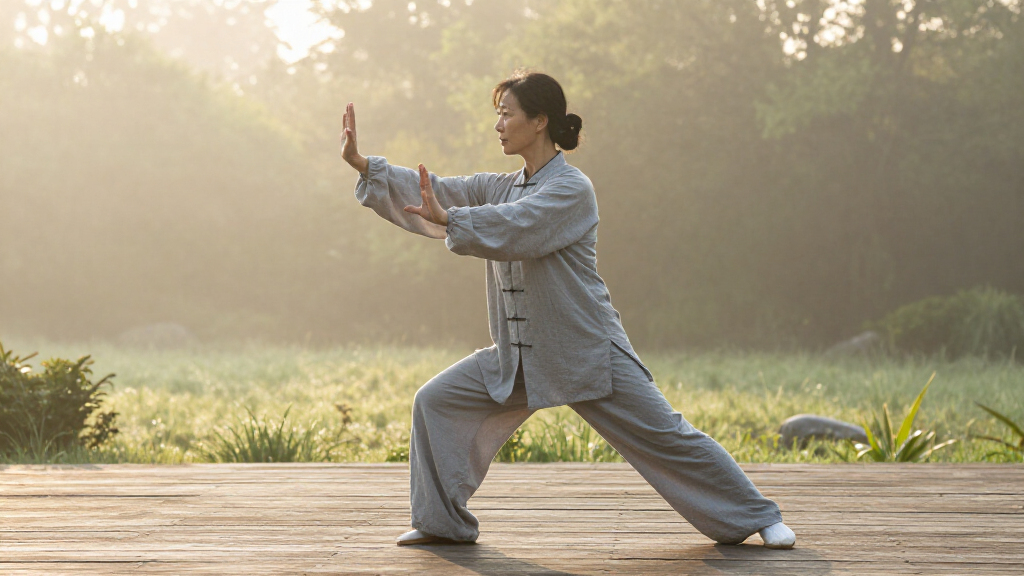
Tai Chi teacher Brian Thompson has shared a five-minute morning routine with Fit&Well, combining self-massage, Qigong cupping, and three slow movement exercises designed to release joint stiffness and build focus. Thompson says morning practice helps establish a calm, focused mindset for the day.
Tai Chi teacher Brian Thompson, founder of bnew4life, has shared his five-minute morning routine with fitness publication Fit&Well, detailing four exercises he says can help release tension and improve focus at the start of the day. The routine combines seated self-massage, Qigong-style body cupping, and three slow standing movements drawn from traditional Tai Chi practice.
Tai Chi is described in the report as a mindful movement practice built around slow, intentional exercises intended to support physical and mental wellbeing. “It works to gently release deep-seated joint stiffness, muscle tightness, and and mental stress,” Thompson told Fit&Well. “It can even help quiet an overactive mind and bring you back into a grounded, present state.”
The routine opens with self-massage and Qigong body cupping, performed seated on a chair or the edge of a bed. The practitioner massages the neck, arms, midsection and legs, then cups the hands and pats up and down the body to create a suction motion. Thompson advises keeping the wrists relaxed so the tap is gentle and hollow rather than harsh.
The second exercise, called “lifting water,” is performed standing with feet shoulder-width apart and a slight knee bend. Arms rise to shoulder height on an inhale, then lower for a count of at least four on a nasal exhale. Thompson recommends 3-5 repetitions and notes that nasal breathing helps regulate the breath and calm the nervous system.
The third movement is silk reeling (chan si gong), a rotating waist-and-hand sequence performed with the weight shifting between legs, first on one side and then the other. Thompson’s guidance is to move slowly and continuously, “like unwinding and winding silk from a cocoon without jerking or locking your joints.” The routine closes with “gather and release”, 3-5 repetitions of raising the arms overhead with palms up, then lowering them in a wave-like wrist motion while breathing through the nose.
Why a Slow Five Minutes Has Appeal
The routine matters to readers because it offers a low-barrier entry point to mindful movement: it requires no equipment and takes about five minutes, with the first exercise performed seated on a chair or the edge of a bed. For people who find meditation difficult or intense exercise intimidating, Thompson’s approach frames Tai Chi as a middle ground that addresses both physical stiffness and mental restlessness.
Thompson argues the morning timing is part of the value. “It can help establish a calm, focused mindset and steady breathing to navigate the day without feeling rushed,” he said, adding that morning practice can help with waking stiff joints and boosting energy. He also urges patience: “Try not to rush the experience. This practice will help set you up for the morning with a clearer mind, creative outlook, and feeling happier and open.”
These benefit claims are Thompson’s professional views rather than findings from clinical trials cited in the report. Readers with joint conditions, injuries, or other health concerns should consult a qualified health professional before starting a new movement practice, and should keep movements gentle and pain-free.
Where Tai Chi Fits in Fitness
The report describes Tai Chi as a mindful movement practice built around slow, intentional exercises intended to support physical and mental wellbeing. Fit&Well, the fitness publication that published the routine, features expert-led content such as Thompson’s morning sequence.
As presented in the report, the routine blends elements the source labels as Qigong — the seated body-cupping exercise — with slow standing movements Thompson draws from his Tai Chi practice, including silk reeling (chan si gong). Thompson, who teaches Tai Chi and founded the bnew4life platform, frames the sequence as his own go-to morning practice rather than a standardized form.
“It works to gently release deep-seated joint stiffness, muscle tightness, and mental stress. It can even help quiet an overactive mind and bring you back into a grounded, present state.”
— Brian Thompson, Tai Chi teacher and founder of bnew4life, to Fit&Well
Claims vs. Confirmed Evidence
The benefits described — releasing stiffness, quieting an overactive mind, boosting energy and improving focus — are attributed claims from Thompson, not results from studies cited in the report. Individual responses to Tai Chi vary, and the report does not reference clinical evidence or quantify outcomes.
The report also does not address contraindications, such as whether the routine suits people with balance issues, recent injuries, or chronic joint conditions. Anyone unsure should check with a health professional first, and stop any movement that causes pain. It is also unclear how long someone must practice before noticing effects, since the report offers no timeframe.
How to Try the Routine
Readers can try the routine as published on Fit&Well, starting with the seated self-massage and cupping, then progressing through lifting water, silk reeling, and gather and release. Thompson recommends performing each movement slowly and without jerking, keeping joints soft, and breathing through the nose throughout.
For those who want to build on it, the natural next steps are longer Tai Chi forms or a qualified local instructor who can correct posture in person — silk reeling in particular involves coordinated foot, waist, and hand movements that beginners may find easier to learn with guidance.
Key Questions
How long does the routine take?
Thompson describes it as a five-minute practice suitable for the start of the day, though silk reeling is performed slowly on both sides, so total time may run slightly longer for beginners.
Do I need any equipment?
No. The only requirements are a chair or the edge of a bed for the first exercise and enough floor space to stand with feet slightly wider than shoulder-width apart for the standing movements.
Is the routine suitable for beginners?
The report presents it as an accessible routine, and Thompson’s tips emphasize soft joints and gentle, continuous motion. However, silk reeling involves coordinated weight shifts that may take practice, and anyone with balance concerns or joint conditions should seek professional guidance first.
Why is it recommended for the morning?
According to Thompson, morning practice helps wake stiff joints, boost energy, and establish a calm, focused mindset and steady breathing for the day. He says Tai Chi can be practiced at any time, but mornings offer these particular advantages.
Why breathe through the nose?
Thompson says nasal breathing helps regulate the breath and calm the nervous system, and in the final exercise it helps avoid releasing too much carbon dioxide too quickly during the slow lowering motion.
Source: rss
Fall Picks
fall essentials
As an affiliate, we earn on qualifying purchases.