
TL;DR

Get workout gear delivered free with Prime
- Fast, free delivery on millions of items
- Prime Video, Amazon Music and more included
- Member-only deals all year
The recovery habits pro athletes swear by start with enough regular sleep, food and fluids to support training, and a schedule that balances harder sessions with easier days. Easy movement and recovery tools may help you feel less stiff or more ready, but they cannot replace those basics, and frequent ice baths after strength training may affect some muscle-building adaptations. Your best routine depends on your sport, schedule, health, and how you respond.
A hard workout can leave your legs heavy and your shirt damp, but the work of adapting does not stop when you rack the weights or finish your run. Recovery is a planned part of training, not simply time away from exercise. Sleep, food, fluids, and a sensible schedule help you get ready for repeated effort.
This guide explains the habits athletes use to support recovery and how you can adapt them without buying into a perfect routine. You’ll see why the basics matter most, when easy movement or recovery tools may help, and which signs suggest you should ease up or ask a qualified professional for guidance.
Treat recovery as part of your training plan, with harder sessions balanced by easier work and rest.
Make regular, adequate sleep and enough food and fluids the foundation before adding recovery gadgets.
A meal or snack with carbohydrates and protein is a practical choice after a demanding session; your next workout and total daily intake also matter.
Use easy movement when it feels good, and choose rest when you are exhausted or unwell.
Track patterns in fatigue, sleep, soreness, and performance; ongoing or severe symptoms call for qualified professional guidance.
Training field guide · Recovery
The Recovery Habits Pro Athletes Swear By
Recovery is planned training. Sleep, enough food and fluids, and a schedule that balances hard sessions with easier work lay the groundwork for repeated effort.
Four habits that carry the most weight
Start with repeatable basics. The best routine is one that fits your training demands, health, and actual schedule.
Protect regular rest
Adequate sleep supports recovery, focus, and performance. A steady schedule and cool, dark, quiet room can help; needs may rise during heavy training.
Eat enough overall
After a demanding session, a meal or snack with carbohydrates and protein is a practical choice. Daily intake and your next workout matter too.
Adjust to the session
Hydration needs vary with heat, duration, and sweat loss. Avoid assuming one rigid drinking target fits every body and workout.
Make room for easy days
Balance harder sessions with easier work and rest. Increasing volume or intensity too quickly can leave you under-recovered.
Keep active recovery easy
A gentle walk, cycle, or swim may ease stiffness and help you feel ready. Choose rest when exhausted or unwell.
Use them with a purpose
Massage, rolling, compression, and cold-water immersion may help some people with soreness or readiness. Effects vary by person and outcome.
Soreness is not a scorecard. A useful workout need not leave you struggling the next day, and severe soreness does not prove better progress.
Plan the next effort, not a perfect routine
Try a simple loop: notice the workload, make one manageable adjustment, then review how your body responds over time.
Log your week
Note session frequency and which workouts feel demanding.
Change one thing
Add time or intensity gradually instead of raising both at once.
Schedule easier work
Place gentle movement or rest after a challenging session.
Review the pattern
Track fatigue, sleep, soreness, and performance across days and weeks.
Consistency beats chasing a wearable score
Sleep supports physical recovery, concentration, and performance. Your needs depend on the person and the training period.
Keep a steady rhythm
Fairly consistent sleep and wake times can provide a better starting point than relying on one long catch-up night.
Set the room up
A cool, dark, quiet bedroom can make it easier to rest. Give yourself time to wind down after late training.
Read trends carefully
Wearables can show patterns, but sleep-stage and readiness estimates are imperfect—not a diagnosis.
Check how you feel
Look across several nights and your training response. Discuss persistent sleep problems with a qualified health professional.
Match food and fluids to the work
A demanding session and another workout tomorrow call for a different decision than an easy walk before your next meal.
Carbohydrates + protein
A balanced meal or snack can replenish energy stores and support muscle repair. Total daily intake and timing of the next session count too.
A meal, not a ritual
After a long ride, a sandwich with eggs or beans, fruit, and water is a straightforward option. A special snack may not be urgent after an easy walk if a meal is soon.
Consider conditions
Heat, exercise duration, and sweat loss change fluid needs. A hot run differs from a short walk in cool weather.
Helpful extras have a smaller role
Methods can affect how sore or ready you feel, but results depend on the method, the outcome, and the individual.
Potentially useful for comfort
Easy movement and selected recovery tools may help some athletes manage stiffness or perceived soreness.
- Gentle walking, cycling, or swimming
- Massage, foam rolling, or compression
- Cold-water immersion for soreness in some contexts
Know when to ease up
One difficult day can happen. A cluster of ongoing changes deserves a closer look and may call for a training review.
Your recovery plan should fit your life.
Elite schedules come with different demands and support. Track how you respond, adjust when strain keeps rising, and seek advice from a qualified health professional for symptoms that are ongoing or severe.
Why Recovery Belongs in Your Training Plan
The recovery habits pro athletes swear by help them handle repeated training, because a demanding session creates fatigue and short-term changes in muscles and other body systems. Time off, sleep, food, and a manageable schedule give you room to adapt before the next hard effort. Recovery is part of the training plan, not a reward you earn only after pushing yourself.
Think of training like turning up the volume on a song: a louder setting can make the sound stronger, but keeping it there too long can leave your ears ringing. If you add more running days, longer rides, or heavier lifts all at once, tiredness can pile up. A beginner who jumps from two short jogs a week to daily runs may find that their legs feel heavy before their fitness has had time to catch up.
Soreness is not a scorecard. You can have a useful workout without struggling to sit down the next day, and a very sore session does not prove you made better progress. Sport, workload, health, and individual response all shape what recovery looks like; a sprinter’s week may not suit someone preparing for a long hike.
That’s why athletes and coaches may look at patterns in a training log rather than judging one workout in isolation. You can note how hard a session felt, how sore you were, and whether you slept well. A single rough morning may be ordinary; a week of low energy and falling performance deserves a closer look.
Products Worth Considering

Therabody Theragun Mini 3rd Generation Massage Gun, Black

BowFlex Results Series SelectTech Adjustable Dumbbells (Pair)

Bowflex SelectTech 840 Adjustable Kettlebell
As an affiliate, we earn on qualifying purchases.
How Better Sleep Can Support Your Next Session
The recovery habits pro athletes swear by begin with regular, adequate sleep, because sleep supports physical recovery, concentration, and performance. Many adults do well with at least seven hours, while some athletes need more during demanding training periods. Your own needs vary, so the number matters alongside how rested and ready you feel.
Picture a recreational cyclist who gets up early for a long ride on Saturday. If they stay up late Friday, they may feel foggy before they even clip into their pedals. A steadier bedtime through the week gives them a more useful starting point than trying to “catch up” with one long night.
You don’t need a complicated sleep routine to make the bedroom more restful. A cool, dark, quiet room can help; so can keeping your sleep and wake times fairly consistent. If you train late, give yourself a little time to wind down rather than treating every evening as a race to the pillow.
Wearables can show trends, but their estimates of sleep stages and readiness are imperfect. If a watch says you slept poorly while you feel alert, don’t treat its score as a diagnosis. Look at several nights and how you feel during training; if sleep problems persist or affect your wellbeing, discuss them with a qualified health professional.
What to Eat and Drink After a Demanding Workout
The recovery habits pro athletes swear by include eating enough overall and choosing a balanced meal or snack after a hard or long session. Pairing carbohydrates and protein gives you a practical way to replenish energy stores and support muscle repair. Your total food intake through the day and the timing of your next session matter too.
Say you finish a long afternoon ride and have another training session the next morning. A sandwich with eggs or beans, a piece of fruit, and water is a straightforward option that puts both carbohydrates and protein on the table. If you finished a short, easy walk and your next meal is soon, there may be no need to rush into a special recovery snack.
Fluids matter, but your needs change with the heat, exercise duration, and sweat you lose. After a hot run, a glass of water with your meal may feel welcome; during a short walk in cool weather, you may simply drink when thirsty. Avoid treating one rigid drinking target as right for every body and every workout.
Supplements are not a shortcut around eating enough, sleeping well, and planning training sensibly. If you have questions about your diet, take medication, manage a health condition, or compete under anti-doping rules, ask a qualified sports dietitian or clinician before using supplements. Their evidence and quality vary, and your individual circumstances matter.
How to Balance Hard Days With Easier Training
The recovery habits pro athletes swear by include managing training load: hard sessions need room beside easier work and rest. Increasing training volume or intensity too quickly can leave you under-recovered and raise the risk of injury or illness. A plan should make sense for your current fitness, schedule, sport, and health.
- Write down your current week. Note how often you train and which sessions feel demanding. For example, a new runner might log two short runs and a weekend walk.
- Change one part gradually. Add a little time or intensity instead of making every session longer and harder at once.
- Make space for easier days. After a challenging run, schedule gentle movement or rest before another demanding effort.
- Review how you respond. Track energy, soreness, sleep, and performance over days and weeks, then adjust if the strain keeps rising.
This process is more useful than copying an elite athlete’s calendar. A professional may train around coaches, travel, and support staff, while you may be squeezing a workout in after work and a long commute. Your plan needs to fit your real life well enough that you can follow it steadily.
Watch for a pattern of persistent fatigue, declining performance, disrupted sleep, unusual irritability, recurring soreness, or repeated illness. These signs do not diagnose a condition, but they can mean your training demands need review. Reduce the pressure and seek guidance from a qualified health professional if symptoms are ongoing or severe.
When Easy Movement Helps—and When Rest Is Better
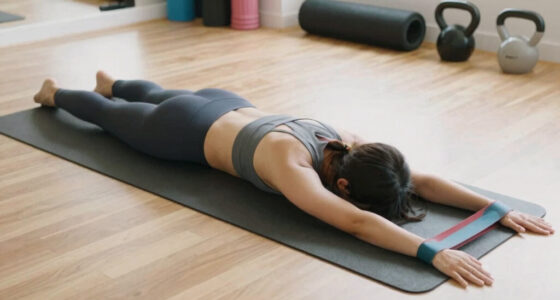
Active recovery means gentle movement, such as an easy walk, relaxed cycle, or light swim, that helps you stay comfortable without adding another hard session. It may ease stiffness and help you feel ready to move, but it is not automatically better than resting. When you are exhausted or unwell, rest may be the better choice.
For example, after a tough weekend hike, you might feel stiff getting out of a chair on Monday. A ten-minute easy walk around the block could loosen you up; if you feel worse or unusually drained, you can stop and take a quiet day. The useful test is how the movement feels, not whether you can turn it into another achievement.
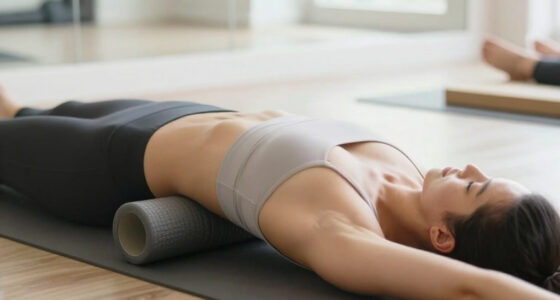
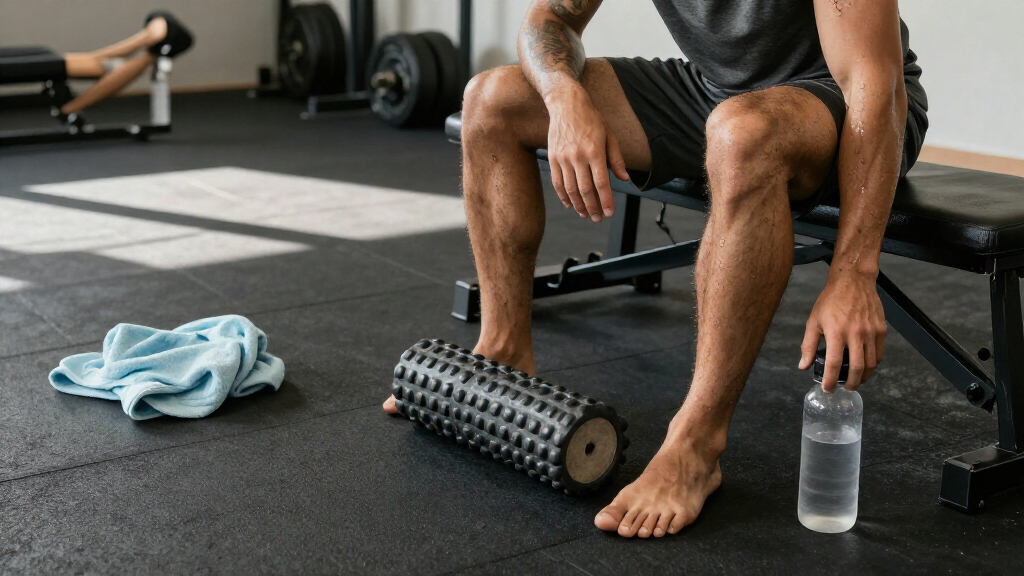
Stretching and foam rolling may improve flexibility or offer short-term relief for some people, but they do not reliably prevent all soreness or injuries. If you like rolling your calves after a run, use comfortable pressure and treat it as one optional part of winding down. You do not need to force painful stretches to prove that you have recovered.
Illness and injuries call for particular care. Gentle movement that feels fine during an ordinary tired day may not be suitable when you feel sick or an injury needs attention. If pain is severe, symptoms persist, or you are unsure whether it is safe to train, speak with a qualified health professional.
Which Recovery Tools Are Worth Trying for Your Situation?
The recovery habits pro athletes swear by sometimes include massage, foam rolling, compression garments, or cold-water immersion. These tools may reduce perceived soreness or help some athletes feel ready, but results differ. They address particular experiences, not every part of recovery.
| Method | What it may help with | What to keep in mind |
|---|---|---|
| Massage or foam rolling | Comfort, stiffness, or short-term relief | Not a guarantee against soreness or injury |
| Compression garments | Some athletes’ feeling of readiness or comfort | Effects vary; they do not replace rest |
| Cold-water immersion | Perceived soreness when a quick turnaround matters | Frequent use after strength training may blunt some muscle-building adaptations |
Imagine a tournament player who has another match the next day. They may choose a cold plunge because feeling less sore for that short turnaround matters to them. If your goal is to build strength, frequent cold-water immersion immediately after lifting may be a poor fit, since it can blunt some muscle-building adaptations.
Start with a purpose: are you trying to feel less stiff, or are you looking for a way to get through a crowded schedule? Try a method only if it is comfortable and suitable for you, then pay attention to how you respond. An expensive device cannot repay a week of too little sleep or make a training load sensible on its own.
How to Make Recovery Personal Without Chasing Perfect Scores
Your recovery routine should reflect your training and your response, because no single method works for every athlete or every sport. Some athletes combine simple training logs, soreness and fatigue ratings, sleep information, and performance measures to spot patterns. You can do the same without turning every morning into a test.
Try a small notebook or phone note with four details: what you trained, how hard it felt, how you slept, and how your body felt the next day. A recreational lifter might notice that a hard leg session feels manageable after a rest day, but leaves them dragging when it follows a poor night of sleep. That pattern gives them something practical to adjust.
Wearables can add trend data, yet their sleep-stage and “readiness” estimates have limits. A low score after a restful night does not automatically mean you should cancel your workout; a high score does not erase pain or unusual fatigue. Treat the device as one clue among several, not a verdict.
Recovery is a moving target as your workload, schedule, and health change. During a busy week, you might trade an extra intense session for a walk and an earlier bedtime. When you feel consistently well, you can follow your plan. If symptoms persist or training leaves you struggling, ask a qualified professional for individualized guidance.
Frequently Asked Questions
How many hours of sleep do athletes need?
Needs vary with the person and workload. Many adults do well with at least seven hours, while some athletes may benefit from more during demanding training. A steady schedule and how rested you feel matter alongside the total.
What should I eat after a workout?
After a demanding or long session, choose a meal or snack with carbohydrates and protein, such as fruit and yogurt or a bean-and-egg sandwich. Your total food intake through the day and the timing of your next session also matter.
Is active recovery better than complete rest?
Neither is always better. A gentle walk or easy cycle may help you feel less stiff after some sessions, while rest makes more sense when fatigue is high or you are unwell. Let your symptoms and how the movement feels guide the choice.
Do ice baths speed recovery?
Cold-water immersion may reduce perceived soreness for some athletes, especially when they need a quick turnaround. It is not essential, and frequent use immediately after strength training may blunt some muscle-building adaptations.
Can stretching or foam rolling prevent soreness or injury?
Stretching and foam rolling may improve flexibility or offer short-term relief for some people, but they do not reliably prevent every injury or bout of soreness. Keep them comfortable and treat them as optional tools, not replacements for gradual training and enough rest.
How can I tell if I am under-recovered?
There is no single telltale sign, but persistent fatigue, falling performance, sleep or mood changes, recurring soreness, and repeated illness are reasons to review your training. If symptoms are ongoing or severe, seek advice from a qualified health professional.
Conclusion
Build recovery around the habits that support your next session: regular sleep, enough food and fluids, and a training schedule you can tolerate. Add a walk, massage, or other tool only when it serves a clear purpose and suits your goals.
Your best recovery plan is not the fanciest one. It’s the one that leaves room to train again without treating every tired day like a challenge to win.