TL;DR
Prime for Young Adults — start your free trial
Fast free delivery, streaming and member deals for eligible 18–24 year olds.
Try it freeAs an affiliate, we earn on qualifying purchases.
Mumbai’s high-risk malaria strain cases have increased over the past decade, totaling 2,382 cases. Authorities are monitoring the situation.
Mumbai has experienced a 535% increase in cases of a high-risk strain of malaria over the past decade, with the total reaching 2,382 cases. This increase, as reported in recent health data, has raised concerns among some public health observers and residents, as the city continues to monitor the situation.
According to data from the Mumbai Municipal Corporation, the number of high-risk malaria cases has increased from an estimated 380 ten years ago to 2,382 in the most recent year. The high-risk strain identified is associated with severe illness and complications, especially among vulnerable populations such as children and the elderly.
Health authorities have stated that the rise is based on laboratory reports and ongoing surveillance efforts. The increase has been noted alongside reports of rising mosquito populations and environmental factors conducive to malaria transmission, though specific causes are still under investigation. Local officials have indicated that vector control measures and public awareness campaigns are being continued to address the situation.
Experts have suggested that such a rise could impact healthcare resources and increase the risk of outbreaks if not managed effectively. The rise in cases is also part of a broader regional trend, with neighboring districts reporting similar increases, though Mumbai’s numbers are among the highest.
Implications of Rising High-Risk Malaria Cases in Mumbai
The increase in high-risk malaria cases in Mumbai highlights a public health challenge that could lead to increased hospitalizations and strain on healthcare infrastructure. The high-risk strain’s potential for severe complications underscores the importance of early detection and treatment.
This trend suggests a need for continued vector control, environmental management, and community engagement to prevent further escalation. It also emphasizes the importance of sustained funding and policy focus on malaria prevention, especially considering environmental and urbanization factors that may influence mosquito breeding.
While the exact causes of the rise are still being studied, the data indicates a need for coordinated efforts to prevent large-scale outbreaks and protect vulnerable populations.
mosquito repellent for malaria protection
As an affiliate, we earn on qualifying purchases.
As an affiliate, we earn on qualifying purchases.
Decade-Long Trends and Environmental Factors in Mumbai Malaria Rise
Over the past decade, Mumbai has experienced fluctuations in malaria cases, with recent data indicating a notable increase in high-risk strains. Some experts suggest environmental changes, including urbanization and water stagnation, may contribute to mosquito breeding grounds.
Historically, Mumbai has relied on vector control programs and public health initiatives to manage malaria. However, recent challenges such as infrastructure issues, population density, and climate factors are believed to complicate control efforts. The current rise in high-risk cases may be influenced by these ongoing issues, though definitive causes are still under investigation. The situation appears to be part of a regional pattern, with neighboring districts also reporting increases, but Mumbai’s numbers are among the highest.
As an affiliate, we earn on qualifying purchases.
Unconfirmed Causes Behind the Surge in Cases
While the data indicates an increase in high-risk malaria cases, the specific causes of this rise are not yet confirmed. Authorities are monitoring various factors, including insecticide resistance and environmental changes, but no definitive conclusions have been reached.
Further research is needed to better understand the underlying causes, including whether new strains or resistance mechanisms are involved. The roles of community behavior and health infrastructure gaps are also being examined.
As an affiliate, we earn on qualifying purchases.
Monitoring, Response Strategies, and Future Outlook
Public health authorities are expected to continue surveillance and control efforts in the coming months. The Mumbai Municipal Corporation has indicated ongoing measures such as spraying and public awareness initiatives.
Research institutions may conduct studies to better understand the causes and resistance patterns. Authorities are also likely to review current interventions to improve their effectiveness.
Monitoring the situation over the next year will be important to assess the impact of these efforts and inform future policies. The focus remains on early detection, treatment, and community participation to reduce the risk of outbreaks.
As an affiliate, we earn on qualifying purchases.
Key Questions
What is the high-risk malaria strain, and why is it dangerous?
The high-risk strain identified is associated with severe illness and complications, especially among vulnerable groups. It requires prompt diagnosis and treatment to prevent serious health outcomes.
Are mosquito control measures effective against this surge?
Current measures are being continued, but their effectiveness depends on timely implementation and community cooperation. Ongoing research aims to better understand resistance issues that may affect control efforts.
Could climate change be a factor in the rise of cases?
Environmental changes linked to climate variability are suspected to influence malaria transmission, but definitive evidence is still under investigation. Experts emphasize the need for further studies.
What should residents do to protect themselves?
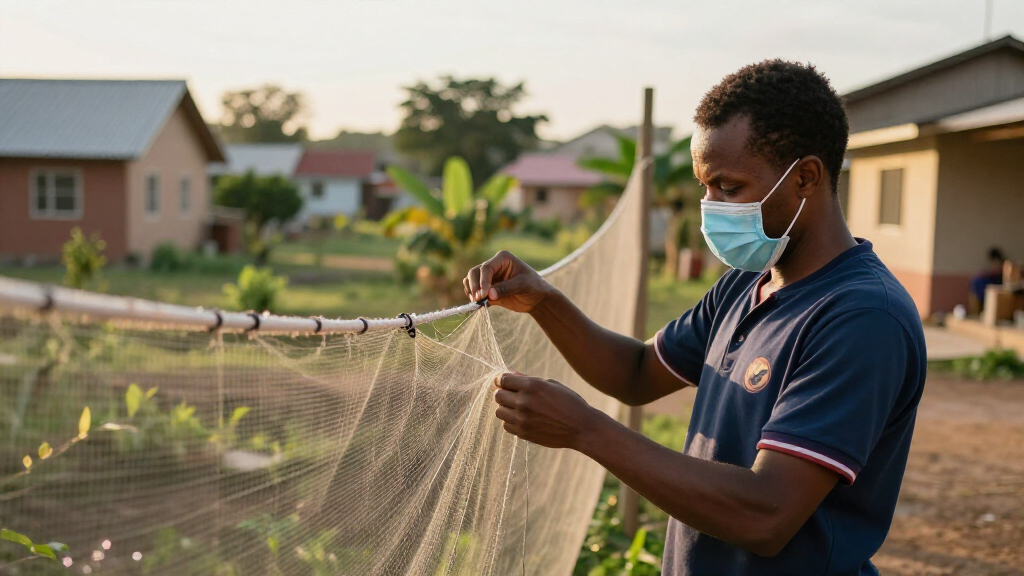
Residents are advised to use mosquito nets, eliminate stagnant water around homes, and seek medical attention if symptoms appear. Public health campaigns promote these preventive measures.
Will the government declare a health emergency?
There has been no official declaration of a health emergency, but authorities are monitoring the situation and preparing contingency plans to respond to potential outbreaks.
Source: local
NFL season / tailgating Picks
team gear
As an affiliate, we earn on qualifying purchases.