
TL;DR

Get workout gear delivered free with Prime
- Fast, free delivery on millions of items
- Prime Video, Amazon Music and more included
- Member-only deals all year
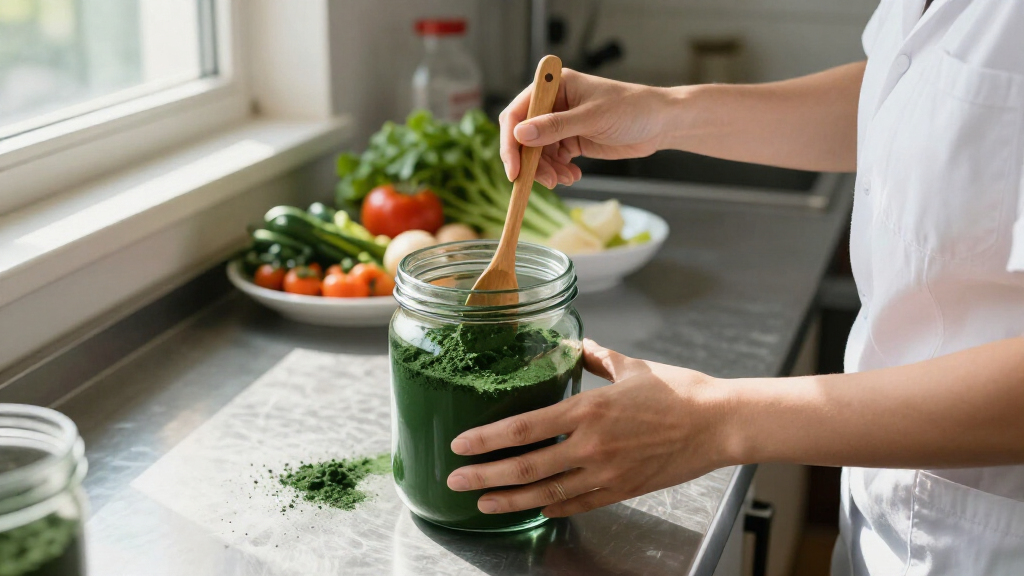
Researchers are investigating a potential sustainable spirulina cultivation method aimed at addressing vitamin B12 deficiency. The development could offer a plant-based, environmentally friendly source of B12, but further validation is needed. Details are still emerging, and additional research is required.
Researchers have discussed the possibility of a sustainable spirulina cultivation method aimed at providing a plant-based source of vitamin B12. This development could potentially offer an environmentally friendly solution to vitamin B12 deficiency, a widespread nutritional concern affecting millions globally. The announcement highlights advances in algae-based nutrition, with potential implications for vegetarian and vegan diets, as well as for addressing food security issues.
The new approach, reportedly developed by a team of scientists, involves a potential cultivation process that may reduce environmental impact compared to traditional methods. According to the researchers, this method could enable large-scale production of spirulina enriched with vitamin B12, a nutrient predominantly found in animal products. The process emphasizes sustainability by minimizing water use and energy consumption. While the team has demonstrated promising laboratory results, the technique is still in the early stages of validation and has not yet been adopted commercially.
Vitamin B12 deficiency affects an estimated 10-15% of the global population, particularly among vegetarians and vegans, due to the scarcity of plant-based B12 sources. Current supplementation strategies rely heavily on animal-derived products or synthetic supplements, which may not be accessible or appealing to all populations. The researchers suggest that their spirulina-based solution could serve as a potential natural, sustainable alternative, potentially integrating into daily diets through powders, tablets, or fortified foods. However, experts caution that further testing is needed to confirm the bioavailability and safety of the B12 produced through this method.
Potential Impact on Global B12 Nutrition and Sustainability
This ongoing research could influence future approaches to addressing vitamin B12 deficiency worldwide, especially in regions with limited access to animal products or synthetic supplements. By exploring plant-based, sustainable sources, the development aligns with efforts to promote plant-centered diets and reduce environmental footprints. If proven effective at scale, it might contribute to reducing reliance on animal agriculture, which is a major contributor to greenhouse gas emissions and water use. Additionally, this line of research could inform more sustainable food fortification strategies, with potential benefits for public health and environmental sustainability.
vegan spirulina vitamin B12 supplement
As an affiliate, we earn on qualifying purchases.
As an affiliate, we earn on qualifying purchases.
Background on Spirulina and B12 Deficiency Solutions
Spirulina, a blue-green algae, has long been recognized as a nutrient-dense superfood, rich in protein, vitamins, and minerals. Its role as a source of vitamin B12 remains under investigation, with some studies suggesting variability among strains. Traditional cultivation methods of spirulina are often resource-intensive, raising concerns about their environmental impact. The search for sustainable, plant-based B12 sources continues to grow as global dietary patterns shift toward vegetarianism and veganism, and as food security issues become more prominent. Prior efforts have included synthetic B12 supplements and fortified foods, but these approaches face challenges related to cost, accessibility, and consumer acceptance.
The recent focus on algae-based solutions reflects a broader trend in sustainable food innovation, aiming to combine nutritional adequacy with environmental responsibility. The ongoing research seeks to explore the potential of algae as a reliable, eco-friendly B12 source that could be integrated into everyday diets.
As an affiliate, we earn on qualifying purchases.
Validation and Commercialization Challenges Remaining
It remains uncertain how effectively B12 from this potential process might be absorbed by humans, or whether the approach can be scaled up cost-effectively. Researchers acknowledge that additional clinical trials and large-scale testing are necessary to confirm safety, efficacy, and consumer acceptance. The timeline for potential market availability remains uncertain, and regulatory approval processes have yet to be initiated.
As an affiliate, we earn on qualifying purchases.
Next Steps: Testing, Scaling, and Regulatory Approval
The research team plans to conduct human clinical trials to assess the bioavailability of B12 from spirulina. Efforts are also underway to explore ways to optimize cultivation for larger-scale production and to establish partnerships with food manufacturers. Regulatory agencies will need to review safety data before the product can reach consumers. If trials are successful and approval is granted, the product could be integrated into fortified foods or dietary supplements within the next few years.
As an affiliate, we earn on qualifying purchases.
Key Questions
How does this new spirulina method differ from traditional cultivation?
The potential new method may involve a different cultivation approach that could reduce resource use, such as water and energy, and might enhance B12 content naturally, though details are not yet confirmed.
Can spirulina-based B12 fully replace animal-derived sources?
Further research is needed to determine if B12 from spirulina is as bioavailable as that from animal sources. It is currently considered a potential supplement, not a complete replacement.
When might this sustainable spirulina become available commercially?
If clinical trials are successful and regulatory approval is obtained, the product could be available within the next 3 to 5 years, depending on development and approval processes.
Are there safety concerns with consuming spirulina-derived B12?
At present, safety data are limited. Researchers emphasize the need for thorough testing to ensure the B12 produced is safe and effective for human consumption.
What advantages does this approach offer over synthetic supplements?
This research area aims to explore a natural, plant-based alternative that could align with sustainable food production goals, potentially improving accessibility and acceptance among consumers seeking eco-friendly options.
Source: rss
Halloween Picks
halloween
As an affiliate, we earn on qualifying purchases.