TL;DR

Get workout gear delivered free with Prime
- Fast, free delivery on millions of items
- Prime Video, Amazon Music and more included
- Member-only deals all year
Meal prep when you’re short on time is about prepping versatile ingredients and using shortcuts. Focus on select meals, batch components, and leverage convenience foods to save hours without sacrificing nutrition.
Focusing on a few versatile ingredients and simple meals cuts prep time in half.
Batch cooking proteins, grains, and roasted vegetables provides quick meal assembly all week.
Using convenience products like pre-washed greens and frozen veggies is a smart shortcut.
A short, 30-minute routine can prepare enough food for several days, saving hours.
Proper storage and smart cleanup keep meal prep manageable and safe.
How to Meal Prep When You’re Short on Time
Skip the marathon cooking session. Prepare a small set of versatile ingredients, run tasks in parallel, and use smart convenience foods to make nourishing weekday meals faster.
Prep what creates the most stress
Meal prep works best when it solves a specific weekday problem. Start with the lunch you usually skip, the dinner that triggers takeout, or the ingredient that takes longest to cook.
Choose only priority meals
Target weekday lunches and two or three dinners instead of trying to prepare every meal for an entire week.
Use repeatable formats
Bowls, wraps, salads, soups, stir-fries, and sheet-pan meals share ingredients and require little assembly.
Build around components
One cooked protein can move from a grain bowl to a wrap, salad, pasta dish, or quick stir-fry.
A coordinated 30–60 minute routine
Start the longest unattended task first, then overlap cooking, chopping, sauce mixing, portioning, and cleanup.
Select the building blocks
Choose two proteins, one or two carbohydrates, and several vegetables.
Start the longest cook
Begin roasting, air-frying, or simmering the item that needs the most time.
Run tasks in parallel
Cook grains while protein and vegetables roast together.
Build cold components
Wash produce, mix sauces, or assemble salads while hot food cooks.
Portion with purpose
Pack grab-and-go meals, chill a few servings, and freeze the extras.
One base, many meals
Combine a protein, produce, carbohydrate, and flavor element. Change the format or sauce to create variety without starting over.
Grain bowl
Layer rice or quinoa with protein, vegetables, greens, and sauce.
Fast wrap
Roll the same components into a tortilla with hummus or dressing.
Big salad
Use greens as the base, add chilled components, and keep sauce separate.
Stir-fry
Reheat the components in a pan and finish with a different sauce.
Convenience can still be nutritious
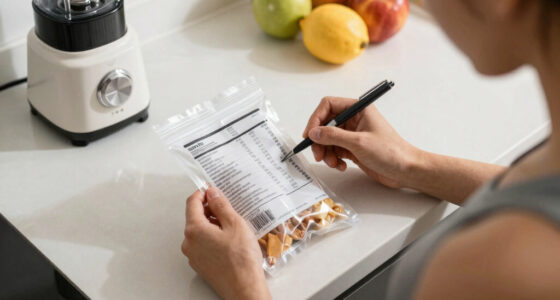
Ready-to-use foods reduce chopping and cooking. Compare cost, sodium, added sugar, and portion size when those details matter to your goals.
| Shortcut | Best use | Time value | Check before buying |
|---|---|---|---|
| Pre-washed greens | Salads, bowls, wraps | ✓High | Freshness and package size |
| Frozen vegetables | Roasting, soups, stir-fries | ✓High | Added sauces or seasoning |
| Rotisserie chicken | Bowls, salads, pasta | ✓High | Sodium and portion needs |
| Canned beans or fish | Salads, wraps, pantry meals | ✓High | Sodium, oil, or added flavoring |
| Microwaveable grains | Instant bowl or side | ✓High | Cost per serving |
| Jarred sauces | Fast flavor variation | ~Medium | Sodium, sugar, and serving size |
| Five unrelated recipes | Complex weekly menu | ✗Low | Extra shopping, dishes, and decisions |
A practical backup meal—such as eggs, pasta, canned soup, frozen dumplings, or a freezer portion—can prevent an unexpected schedule change from becoming a takeout order.
Cool promptly
Do not leave cooked food at room temperature for extended periods.
Use shallow containers
Smaller depths help prepared food cool more efficiently.
Label the date
Make freshness visible instead of relying on memory.
Separate wet sauces
Store dressing apart when it could make food soggy.
Freeze extra portions
Move unlikely-to-be-eaten servings to the freezer early.
Reheat thoroughly
Follow official food-safety guidance for each specific food.
Make cleanup part of the plan
The fastest prep session still feels exhausting if it ends with a crowded sink. Choose methods that reduce equipment and clean during unattended cooking time.
Relative usefulness is shown as a practical workflow guide, not as measured scientific data. Dishwasher-safe, consistently sized containers also simplify washing, stacking, and grabbing meals.
A small prep habit creates a calmer week
The goal is not culinary perfection. It is a dependable chain that turns a few focused decisions into several easy meals.
Meal-prep questions, simplified
Keep the system small enough to repeat. A routine that fits your actual week is more useful than an ambitious plan you abandon.
What should I prep first?
Start with the meal that causes the most stress or is hardest to make during the week.
Will I eat the same meal every day?
No. Combine flexible grains, proteins, vegetables, and sauces in different formats.
Which foods generally keep well?
Soups, stews, cooked grains, roasted vegetables, beans, and cooked proteins are common choices.
What should be prepared later?
Fresh salads and delicate seafood are usually better prepared closer to serving.
Start with one useful change.
Choose tomorrow’s most difficult meal, prep its slowest component, and let that small win shape the rest of your routine.
Start by Picking the Right Meals—Skip the Overwhelm
When time is tight, choosing the right meals makes all the difference. Focus on two or three staple dishes that you can easily tweak. For example, a grain bowl, a stir-fry, and a wrap can cover most weeknights. These meals are flexible, quick to assemble, and use common ingredients.
Think about what you often skip or order out—maybe lunch salads or quick dinners. Prep those first. It’s about reducing the mental load, not cooking an entire week’s worth of food.
meal prep containers with compartments
As an affiliate, we earn on qualifying purchases.
As an affiliate, we earn on qualifying purchases.
Build a Batch of Versatile Ingredients in 30 Minutes
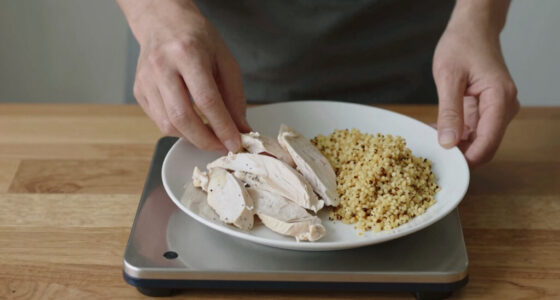
To save time, cook in bulk. Prepare a few key components like grains, proteins, and roasted vegetables—these are your meal-building blocks. For instance, roast a batch of chicken breasts or tofu, cook a big pot of rice or quinoa, and toss some frozen veggies in the oven or air fryer.
While they cook, chop fresh produce or assemble no-cook items like salads or sauces. By overlapping tasks, you maximize your time and reduce the number of dishes to clean.
Focusing on these core ingredients allows you to mix and match throughout the week, creating variety without extra prep. This approach also helps you balance nutrition and flavor, as you can season or dress ingredients differently each time.
As an affiliate, we earn on qualifying purchases.
Use Shortcut Products Without Sacrificing Nutrition
Convenience foods often get a bad rap, but they’re game-changers when time is short. Pre-washed greens, frozen vegetables, canned beans, and rotisserie chicken can cut prep time in half. For example, a bag of pre-washed spinach combined with canned chickpeas and roasted chicken makes a quick, balanced salad.
Compare costs and ingredients—opt for options with less sodium and added sugars. These shortcuts help you assemble meals faster without sacrificing nutrition.
However, it’s important to be aware of potential tradeoffs—many convenience foods contain preservatives or higher sodium levels. Balancing convenience with occasional fresh ingredients can help maintain your health goals while saving time.
quick-cook grains like quinoa or rice
As an affiliate, we earn on qualifying purchases.
As an affiliate, we earn on qualifying purchases.
Master a Simple 30-Minute Meal Prep Routine
Here’s a step-by-step plan to streamline your prep:
- Select two proteins, one carb, and a few vegetables.
- Start with the ingredient that needs the longest cooking or prep time—like roasting chicken or boiling grains.
- Cook everything simultaneously: roast proteins and vegetables, boil grains, prep no-cook ingredients.
- While things cook, assemble sauces or salads.
- Portion out what you’ll grab during busy days, refrigerate or freeze the rest.
This routine can be done in around 45 minutes for several days’ worth of meals. The key is understanding how to coordinate multiple tasks efficiently. Over time, this reduces the overall effort and makes meal prep feel less like a chore and more like a quick routine that fits into your schedule.
As an affiliate, we earn on qualifying purchases.
Choose the Right Containers and Storage Tips
Proper storage keeps your prepped food fresh and safe. Use clear, leak-proof containers to easily identify meals. Divide leftovers into shallow containers to cool quickly and prevent spoilage. Label each with the date to track freshness.
Freeze extra portions if you won’t eat them within three to four days. This keeps your options flexible and reduces waste. Remember, reheating thoroughly is key to food safety.
Investing in quality containers with airtight seals helps prevent leaks and keeps food fresher longer. Using consistent containers also simplifies stacking and organization in your fridge or freezer, making it easier to grab what you need quickly.
Quick Tips to Reduce Cleanup and Save Time
Streamline cleanup by lining baking sheets with parchment paper, using one-pot recipes, and choosing dishwasher-safe containers. For example, roasting multiple ingredients on one sheet pan reduces dishes and saves time. Use a bowl to chop and prep ingredients—less mess, less fuss.
Develop a habit of washing as you go. These small steps keep your kitchen manageable and make meal prep less of a chore. Additionally, cleaning during downtime—like while waiting for water to boil—can prevent pile-ups and make post-meal cleanup quicker.
How to Keep Your Meal Prep Sustainable When You’re Busy
Focusing on a small set of core ingredients and repeating them across multiple meals is crucial for sustainability. This approach minimizes waste—both food and packaging—and simplifies shopping, saving you time and mental energy. For example, using the same grains and proteins but varying sauces, herbs, or seasonings allows you to create diverse flavors without constantly buying new ingredients. This consistency helps you master basic cooking techniques, build confidence, and reduce decision fatigue.
Additionally, planning for quick fixes with frozen, canned, and pre-cut foods helps you stay adaptable when plans change unexpectedly. Incorporating leftovers into new meals not only reduces waste but also accelerates meal assembly. For instance, leftover roasted vegetables can be seamlessly added to an omelet or pasta, maximizing the utility of your prepped ingredients and minimizing waste over time.
Frequently Asked Questions
How long does meal prep take?
A typical session takes between 30 and 60 minutes. The key is to keep it simple—fewer recipes and prepared ingredients speed up the process.
What should I prep first?
Start with the meal that causes the most stress or is hardest to make during the week. If lunch is usually a scramble, prep that first. Focus on what will save you the most time on busy days.
Can I meal prep without eating the same thing every day?
Absolutely. Prepare flexible components like grains, proteins, and veggies, then combine them differently. A grilled chicken and rice can become a salad, wrap, or stir-fry with just a few tweaks.
How many days should I prep at once?
Most find three to four days in the fridge manageable. For longer periods, freeze portions to keep meals fresh and avoid waste.
What foods keep well?
Soups, stews, cooked grains, roasted vegetables, beans, and cooked proteins usually stay good for several days. Fresh salads and delicate seafood are better prepared closer to serving.
Conclusion
Meal prep on a tight schedule isn’t about obsessing over perfection. It’s about smart choices—prepping the essentials, using shortcuts, and staying flexible. With a few simple routines, you can enjoy nourishing, home-cooked meals without the stress. Now, think about one small change you can make today—your busy week will thank you for it.Halloween Picks
halloween
As an affiliate, we earn on qualifying purchases.