TL;DR
Open a free Amazon Business account
Business pricing, bulk buying and tax-exempt orders.
Create a free accountAs an affiliate, we earn on qualifying purchases.
Some reports suggest that celebrities have publicly endorsed full-body scans as a health tool. Medical professionals have expressed caution regarding their potential risks and lack of conclusive evidence supporting routine use. The trend has gained media attention, but experts advise careful consideration based on current evidence.
In recent weeks, there have been reports of celebrities endorsing full-body scans as a method for health monitoring. While these reports have attracted media attention, medical experts are cautioning against their uncritical adoption, citing potential health risks and a lack of conclusive evidence supporting their routine use.
The trend has been noted in media reports, with some high-profile figures sharing their experiences with full-body scans on social media and in interviews. These scans, which use advanced imaging technology to examine the entire body in a single session, are promoted by some as a way to detect illnesses early or monitor overall health. Search interest has reportedly increased, indicating a growing public curiosity and demand.
However, health professionals from major medical organizations have issued statements warning that full-body scans are not currently recommended for routine screening. The American College of Radiology and the U.S. Food and Drug Administration have both issued advisories highlighting potential risks, including unnecessary radiation exposure and false positives that could lead to invasive follow-up procedures.
Despite the buzz, there is no definitive scientific evidence demonstrating that full-body scans improve health outcomes or reduce mortality rates. Experts emphasize that many detected anomalies are benign or false alarms, which can cause undue anxiety and unnecessary medical interventions.
Why Celebrity Endorsements Impact Public Perception
The endorsement of full-body scans by celebrities can influence public perception, potentially increasing demand for these procedures. This trend raises concerns about unnecessary radiation exposure and medical interventions. It underscores the importance of relying on evidence-based medicine rather than anecdotal endorsements for health decisions.
While celebrity influence can raise awareness about health topics, it highlights the need for public education on the limitations and risks of certain medical procedures. The medical community advises caution and emphasizes consulting healthcare professionals for personalized advice.
As an affiliate, we earn on qualifying purchases.
Rising Interest in Full-Body Scans and Medical Guidelines
The use of full-body imaging technology, such as whole-body MRI and CT scans, has been available in medical settings for some time. Their use as routine screening tools remains controversial and is not widely endorsed by mainstream medical guidelines. Past studies have suggested limited evidence that such scans improve health outcomes for asymptomatic individuals.
The recent increase in interest appears to be influenced by media reports and celebrity endorsements, though official medical bodies continue to recommend targeted screening based on individual risk factors. The trend reflects ongoing discussions about personalized health monitoring but also highlights gaps in regulation and public understanding.
Health authorities generally continue to state that routine full-body scans are not recommended for healthy individuals without specific symptoms or risk factors.
As an affiliate, we earn on qualifying purchases.
Unclear Long-Term Benefits and Risks
There is limited publicly available information on the long-term benefits or harms associated with full-body scans. Experts note that more research is needed to better understand their safety and effectiveness.
Further studies are necessary to establish clear guidelines for their use and to evaluate potential risks.
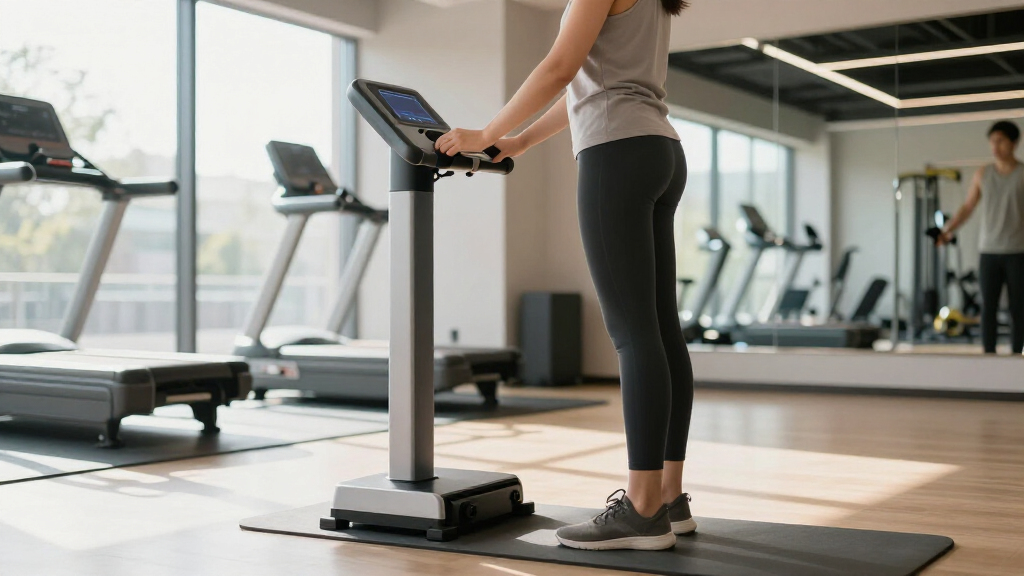
medical imaging device for home use
As an affiliate, we earn on qualifying purchases.
As an affiliate, we earn on qualifying purchases.
Monitoring Medical Guidelines and Public Response
Health authorities may review emerging data and consider updating guidelines on the use of full-body scans. Medical organizations might also increase efforts to educate the public about the current understanding of these procedures. Ongoing research is expected to continue exploring their safety and efficacy.
Healthcare providers are likely to continue advising patients based on existing evidence, emphasizing targeted screening and risk-based assessments over broad, routine imaging.
As an affiliate, we earn on qualifying purchases.
Key Questions
Are full-body scans safe for routine use?
Current medical guidelines generally do not recommend full-body scans for routine screening due to potential risks such as radiation exposure and false positives. It is advisable to consult a healthcare professional for personalized advice.
Why are celebrities endorsing full-body scans?
Some reports indicate that celebrities have shared their personal experiences with full-body scans, which may influence public perception. Experts advise caution and recommend consulting healthcare professionals before making health decisions based on such endorsements.
Can full-body scans detect all diseases?
No, full-body scans have limitations and cannot detect all diseases. They may produce false positives or miss certain conditions. They should not replace standard screening methods.
What are the risks of unnecessary scans?
Unnecessary scans can expose individuals to radiation and may lead to false alarms, resulting in additional procedures. Medical advice is recommended before undergoing such scans.
Will health authorities regulate this trend?
Health authorities may review available data and consider issuing guidance on the use of full-body scans. It is important to follow current medical recommendations.
Source: rss
College move-in / dorm season Picks
dorm essentials
As an affiliate, we earn on qualifying purchases.