TL;DR

Get workout gear delivered free with Prime
- Fast, free delivery on millions of items
- Prime Video, Amazon Music and more included
- Member-only deals all year
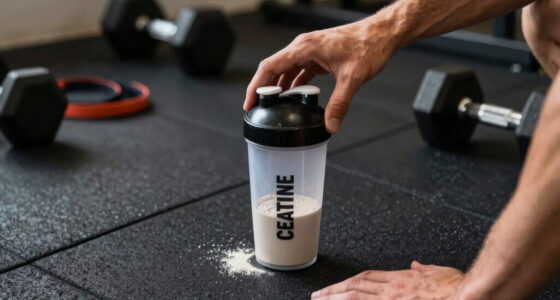
Caffeine provides a small but meaningful boost in endurance, alertness, and effort perception. Using 1–3 mg/kg about 30–60 minutes before exercise can improve performance, but individual responses and safety matter. Testing during training is key to finding your best dose and timing.
Ever felt that surge of energy just before hitting the gym? That’s caffeine doing its thing. It’s one of the most studied legal performance aids, and it works by making your brain less sleepy and more alert. But how exactly does it influence what you do in your workout, and what’s the best way to use it? That’s what we’re covering. Understanding the science can help you harness caffeine’s benefits without the jitters or sleep issues.
Whether you’re a runner chasing your personal best or a weightlifter wanting that extra push, knowing the right dose, timing, and safety tips makes all the difference. Let’s break down what caffeine really does, how to use it smartly, and how to avoid common pitfalls.
Start with 1–2 mg/kg of caffeine about 30–60 minutes before exercise for a small but reliable boost.
Caffeine benefits endurance, repeated sprints, and muscular stamina more than pure strength or power.
Timing, individual response, and safety matter—test and adjust during training, not on race day.
Stay within about 400 mg daily to avoid side effects, and be cautious if sensitive or pregnant.
Caffeine is a helpful tool, but it’s no substitute for good training, sleep, and hydration.
The Science of Caffeine and Workout Performance
Caffeine can create a small but meaningful edge in endurance, alertness, and perceived effort. The winning strategy is not the largest dose—it is the lowest effective dose, tested in training and timed around both performance and sleep.
How the signal changes
Adenosine normally builds pressure for rest. Caffeine occupies its receptors, so the brain receives less of that fatigue signal. The result is improved alertness, motivation, reaction time, and tolerance for discomfort—not extra energy created from nothing.
Caffeine enters circulation
Blood levels typically rise after coffee, capsules, drinks, or gum.
Adenosine receptors are blocked
The brain receives less of its normal sleepiness and fatigue message.
Effort feels more manageable
Alertness increases while perceived exertion and discomfort may fall.
Work can be sustained longer
Athletes may hold pace, repeat sprints, or complete more repetitions.
The modern view: adrenaline and fat mobilization may contribute, but central nervous system effects are considered the main explanation for caffeine’s performance benefit.
Where caffeine works best
The strongest and most consistent evidence favors sustained or repeated effort. Maximum strength, jumping, and explosive power can improve, but the response is smaller and less predictable.
Activity-by-activity comparison
| Activity | Evidence | Likely benefit |
|---|---|---|
| Running, cycling, rowing, swimming | Longer sustained pace | |
| Repeated sprints and intervals | Better repeat-effort capacity | |
| Intermittent team sports | Alertness and high-intensity work | |
| Muscular endurance | More repetitions at a fixed load | |
| Maximum strength | Small, inconsistent improvement | |
| Jumping and explosive power | Minor or individual response |
Strength of the performance signal
Conceptual evidence ranking based on consistency across exercise categories—not a prediction of an individual athlete’s percentage gain.
Find the minimum effective dose
Lower doses are receiving more attention because many athletes can gain performance benefits without the side effects associated with traditional high-dose protocols.
1–3 mg/kg
Begin near 1–2 mg/kg, assess performance and side effects, then adjust only if needed. Higher intake does not guarantee a larger benefit.
Dose-response spectrum
The useful zone usually arrives before the high-risk zone. Around 9 mg/kg or more commonly adds side effects without reliably adding performance.
Context changes the response
Genes, habitual intake, anxiety sensitivity, sleep status, hormones, medications, exercise type, and time of day can all shift the balance between benefit and side effects.
More caffeine means better performance.
Reality: The performance curve tends to flatten while jitters, nausea, and rapid heartbeat become more likely.
Coffee cannot work as well as a capsule.
Reality: Both can work. Capsules provide precise dosing, while coffee’s caffeine content varies by bean, brew, and serving.
Typical caffeine doses automatically dehydrate athletes.
Reality: Dehydration is generally not a major concern at practical doses, but normal hydration still matters.
Habitual coffee drinkers receive no benefit.
Reality: Many regular users still improve. Tolerance exists, but its practical effect differs substantially between people.
Your practical caffeine strategy
Treat caffeine as an experiment, not a ritual. Record the dose, timing, workout result, side effects, and that night’s sleep. The best protocol improves the full training cycle—not only one session.
Start with 1–2 mg/kg
Use a conservative dose about 45 minutes before a familiar training session.
Track performance and perception
Record pace, repetitions, energy, perceived effort, anxiety, and stomach comfort.
Audit your sleep
Check sleep onset, awakenings, duration, and next-day recovery before increasing the dose.
Repeat before competition
Confirm the same protocol in training. Never debut a new dose or product on race day.
The bottom line: caffeine is a useful performance tool, not a replacement for training, sleep, nutrition, hydration, sound judgment, or recovery.
How Caffeine Boosts Your Workout Without Magic Pills
Caffeine works by blocking a brain chemical called adenosine—think of adenosine as your built-in fatigue signal. When caffeine binds to its receptors, it prevents adenosine from making you feel sleepy or tired. The result? You feel more alert, motivated, and ready to push through tough spots.
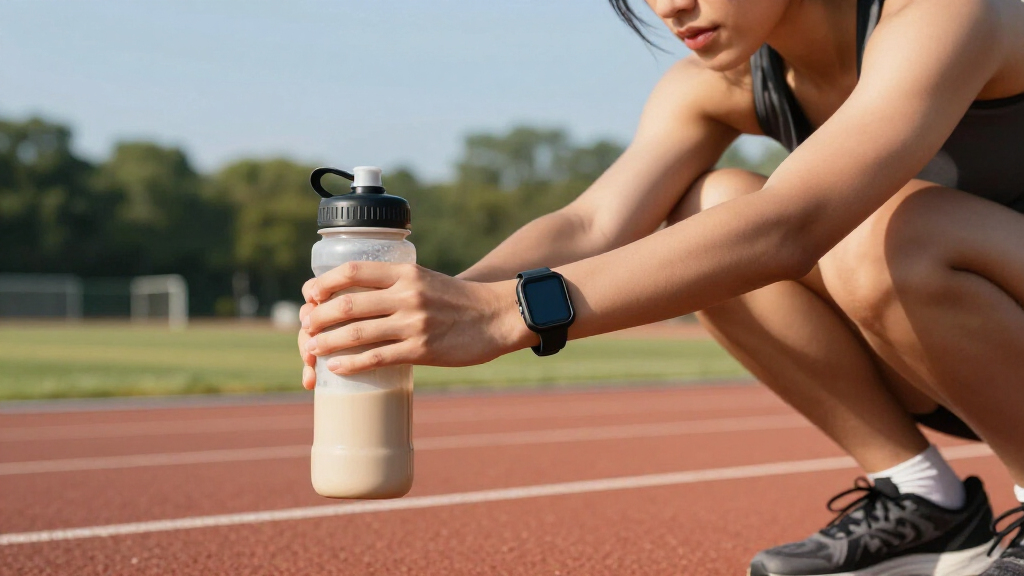
Imagine running a marathon. With caffeine, you might notice a smoother rhythm, a slight increase in speed, and less perception of effort. That’s because caffeine helps recruit more motor units in your muscles and sharpens your reaction time. It’s like turning up the volume on your focus and turning down the noise of fatigue.
Research confirms this. Studies show caffeine can enhance endurance by about 2–4%, and repeated sprints become more manageable. It’s not a miracle, but it’s a small, consistent edge for many athletes.
caffeine supplements for workout performance
As an affiliate, we earn on qualifying purchases.
As an affiliate, we earn on qualifying purchases.
Which Activities Get the Most Boost from Caffeine
If you’re wondering whether caffeine helps your favorite workout, the answer is yes—especially for endurance, sprints, and muscle stamina. The strongest evidence supports improvements in activities like running, cycling, rowing, swimming, and team sports involving intermittent high effort.
For example, a cyclist might pedal harder for longer during a race, or a basketball player might jump higher and recover quicker between plays. Caffeine also makes it easier to do more repetitions at a given weight, boosting muscular endurance.
However, it’s less reliable for explosive power or maximum strength. Think of it as a tool best suited for sustained effort rather than quick, forceful moves.
As an affiliate, we earn on qualifying purchases.
The Right Dose: How Much Caffeine Is Best for You?
Most research agrees that 1–3 milligrams per kilogram of body weight hits the sweet spot. That means for someone weighing 70 kg (about 154 pounds), a dose of 70–210 mg is effective. Going higher doesn’t always mean better; it can cause side effects like jitters, nausea, or rapid heartbeat.
For example, a typical cup of coffee contains roughly 95 mg of caffeine. So, a single strong cup might be enough. Athletes often use doses around 3 mg/kg in studies, which is generally safe for healthy adults.
Start low and see how your body responds. More isn’t always better, and individual sensitivity varies.
As an affiliate, we earn on qualifying purchases.
Timing Matters: When to Take Caffeine for Peak Performance
The best time to consume caffeine is about 30–60 minutes before your workout. It takes that long for caffeine to reach peak blood levels, ready to energize your muscles and brain.
If you’re using gum, it works faster—usually 10–20 minutes—because it’s absorbed through the mouth lining. For long sessions, some athletes take small doses during or after the halfway mark to sustain their energy.
But beware—caffeine’s half-life is around 4–6 hours. An afternoon dose might disturb your sleep, so plan accordingly.
caffeine energy drinks for exercise
As an affiliate, we earn on qualifying purchases.
As an affiliate, we earn on qualifying purchases.
Why Your Genes and Habits Change How Caffeine Works for You
Everyone’s response to caffeine is different—thanks to genetics, habits, and timing. Some people metabolize caffeine quickly, feeling the boost and then it’s gone. Others process it slowly, risking sleep disruption or jitters even at low doses.
If you regularly drink coffee, your body may become slightly tolerant, but you can still see performance benefits. Personal experiments during training help pinpoint what dose and timing work best.
Factors like sleep quality, hormonal fluctuations, and anxiety sensitivity also influence how caffeine affects you.
Latest Research and Evolving Ideas on Caffeine’s Workout Power
Recent studies focus on lower doses—just 1–3 mg/kg—showing benefits without side effects. Researchers are also exploring caffeine alternatives like paraxanthine, but evidence remains limited.
There’s growing attention on how caffeine impacts sleep and recovery. For many athletes, a small boost isn’t worth sacrificing rest. Timing and individual response are becoming key factors in recommendations.
Another exciting development is the use of caffeinated gum, offering faster absorption and flexibility during competitions. Plus, sex-specific research is expanding, considering hormonal influences on caffeine’s effects.
Common Myths and Facts About Caffeine in Exercise
Myth: More caffeine equals better performance. Fact: Excessive doses cause side effects and don’t improve results. Aim for 1–3 mg/kg for benefits.
Myth: Coffee is just as good as pills. Fact: Coffee varies in caffeine content; pills offer precise dosing. Both can work if timed right.
Myth: Caffeine dehydrates you. Fact: At typical doses, dehydration isn’t a concern for most athletes. Hydrate properly regardless.
Myth: Regular caffeine use means you won’t benefit. Fact: Many habitual drinkers still see performance gains; tolerance varies.
Safety First: How to Use Caffeine Without Side Effects
Stick to about 400 mg daily, or roughly 4 cups of coffee. For sensitive individuals or pregnant women, lower doses are safer—around 200 mg or less. Pay attention to how your body reacts.
Test doses during training, not on race day. Take caffeine about 30–60 minutes before exercise, and avoid late-afternoon doses that might mess with sleep.
If you experience jitters, nausea, or rapid heartbeat, cut back. Remember, safety is more important than a tiny edge.
Your Practical Caffeine Strategy for Better Workouts
1. Start with 1–2 mg/kg about 45 minutes before training.
2. Record how you feel—energy, effort, side effects, sleep.
3. Adjust the dose if needed, but stay within safe limits.
4. Avoid caffeine after mid-afternoon to protect your sleep.
5. Use caffeine consistently in training to gauge true effects, not just before big competitions.
6. Combine caffeine with good hydration and nutrition for best results.
Frequently Asked Questions
Does caffeine really improve workouts?
Yes, most people experience a modest boost in alertness, endurance, and effort perception. This can translate into better performance, especially in endurance and high-intensity efforts.
How much caffeine should I take before exercising?
Start with about 1–2 mg/kg, which is roughly one strong cup of coffee for many. Many athletes find benefits near 3 mg/kg, but avoid doses above 6 mg/kg to minimize side effects.
How long before a workout should I take caffeine?
Take it about 30–60 minutes beforehand. If using gum, 10–20 minutes is enough. Adjust timing based on your response and the activity duration.
Is coffee as effective as caffeine pills?
It can be. Pills provide precise dosing, but coffee varies in caffeine content. Both can work if timed correctly, but pills are more consistent.
Should I stop using caffeine before a race?
Not necessarily. Abruptly stopping can cause withdrawal, and moderate habitual use still offers benefits. Test your strategy during training first.
Conclusion
Using caffeine wisely can give you a real edge—more alert, less effort perceived, and better endurance. But it’s a tool, not a magic pill. Test, adjust, and listen to your body.
Picture yourself finishing that last mile, feeling strong, clear, and in control. That’s caffeine working with your effort—nothing more, nothing less.
Halloween Picks
halloween
As an affiliate, we earn on qualifying purchases.