
TL;DR
Listen free for 30 days with Audible
Thousands of audiobooks and originals — cancel anytime.
Start your free trialAs an affiliate, we earn on qualifying purchases.
Older adults can safely build muscle by following simple resistance training routines, increasing protein intake, and prioritizing recovery. Gains are achievable even in the 70s and beyond, improving strength, function, and independence.
Think muscle building is just for the young? Think again. Even in your 70s, 80s, and beyond, your muscles can grow stronger—if you approach it safely and smartly. The idea that aging means inevitable weakness is outdated. Resistance training isn’t just about bulking up; it’s about maintaining independence, preventing falls, and staying vital.
In this guide, you’ll learn how to start, what to focus on, and how to avoid common pitfalls. Building muscle as an older adult isn’t complicated—just requires a few tweaks to fit your body and life. Ready to get stronger at any age? Let’s dive into the practical steps.
Start with 2–3 sessions weekly, focusing on large muscle groups with 8–12 reps for safety and effectiveness.
Aim for 1.0–1.2 g of protein per kilogram of body weight daily, spread evenly across meals to maximize muscle growth.
Incorporate safety measures: warm-up, proper form, gradual progression, and listening to your body.
Recent research supports the use of power training, blood flow restriction, and supplements like creatine to enhance gains.
Building muscle isn’t just possible; it’s life-changing at any age—giving you strength, balance, and independence.
Evidence-Based Guide · Strength After 60
How Older Adults Can Safely Build Muscle
Muscle building isn’t just for the young. Even in your 70s, 80s, and beyond, your muscles can grow stronger with the right approach. Resistance training isn’t about bulking up — it’s about maintaining independence, preventing falls, and staying vital. Here’s how to start, what to focus on, and how to avoid the common pitfalls.
+2.5 kg
Muscle Gained in 12 Weeks
Consistent resistance training delivers measurable gains — even in adults in their 80s and 90s.
3–8%
Muscle Lost Per Decade After 30
Sarcopenia accelerates after 60 — but training can reverse part of the decline.
2–3×
Weekly Sessions Is Enough
A simple, consistent routine beats an intense, unsustainable one — every time.
The Condition
10–16%
of older adults worldwide live with sarcopenia — now a recognized disease (ICD-10 M62.84).
The Protocol
8–12
reps per exercise, across 8–10 moves targeting large muscle groups.
The Fuel
1.0–1.2 g
protein per kg of body weight daily — above the standard 0.8 g/kg RDA.
The Payoff
Any age
strength, balance, and independence remain buildable in the 70s, 80s, and 90s.
Section 01 · The Stakes
Why Building Muscle Matters More Than You Think
Muscle loss isn’t just about bulk. It quietly erodes the ability to stand from a chair, climb stairs, and carry groceries — and it compromises balance, raising fall risk. Strength is one of the strongest predictors of disability and longevity in older adults.
The Decline
Sarcopenia Is Silent — Until It Isn’t
Adults lose roughly 3–8% of muscle mass per decade after age 30, with the slide speeding up after 60. Since 2019, diagnosis focuses on low muscle strength, not just mass.
The Risk
Falls Are Life-Altering Events
Weak legs and poor stability make falls a leading cause of injury in older adults. Better leg strength directly prevents falls — and the fractures, hospital stays, and lost independence that follow.
The Payoff
Muscle Protects the Whole Body
Maintaining muscle supports metabolic health, bone density, and functional capacity. Even modest resistance training reverses parts of sarcopenia — small gains, big mobility returns.
Section 02 · The Method
The Simple Resistance Routine That Works
Building muscle safely starts with a straightforward, repeatable routine. Consistency and gradual progression let the body adapt without overwhelming joints or the nervous system — like turning up the volume on a song, slowly, to enjoy it without distortion.
Warm Up
5–10 minutes of gentle movement — marching in place, arm circles — to boost blood flow and prep joints.
Lift Light
8–10 exercises targeting big muscle groups, using light weights or resistance bands. Form first, load later.
Reps That Count
8–12 repetitions per exercise — enough to challenge muscle without risking injury.
Repeat Weekly
2–3 sessions per week, with rest days between. Overtraining invites soreness and injury.
Progress Gently
Every 2–3 weeks, add a few reps or slightly more resistance. Gradual overload drives adaptation.
A Sample Starter Session — Joint-Friendly, Minimal Equipment
Chair Squats
Legs · Sit-to-StandWall Push-Ups
Chest · ArmsSeated Band Rows
Back · PostureGentle Shoulder Press
Shoulders · ReachSection 03 · The Fuel
Pair Training With the Right Nutrition
Building muscle isn’t just about lifting — it’s about fueling repair. Older adults need more protein than the standard RDA, and older muscle shows “anabolic resistance”: it needs a larger per-meal dose to switch on muscle protein synthesis.
Daily Protein Targets (g per kg body weight)
Research consensus: PROT-AGE Study Group & ESPEN
Per meal: aim for 25–30 g of high-quality protein — enough to clear the leucine threshold (~2.5–2.8 g) that triggers muscle building in older adults.
| Who | Daily Target | At 70 kg (154 lb) | Verdict |
|---|---|---|---|
| Standard RDA | 0.8 g/kg | ≈ 56 g | ~ Prevents deficiency — too low for muscle |
| Healthy older adult | 1.0–1.2 g/kg | 70–84 g | ✓ The sweet spot for most |
| Ill or regularly exercising | 1.2–1.5 g/kg | 84–105 g | ✓ Supports recovery & growth |
Spread intake evenly across meals — total daily amount matters most.
Vitamin D: essential for muscle function and balance. Adequate levels — via sunlight, diet, or supplements — reduce fall risk. Supplementation helps most when you’re deficient. Whole foods remain the primary protein source; shakes are a convenience, not a replacement.
Section 04 · The Guardrails
Safety Tips That Keep You Strong — Without Getting Hurt
Safety comes first. The goal is decades of training, not weeks of bravado. Know the difference between normal adaptation and warning signs, and build your foundation before adding load.
| Checkpoint | Safe Practice | Avoid / Watch For |
|---|---|---|
| Medical clearance | ✓ Doctor’s OK first if you have heart issues, osteoporosis, or joint problems | ✗ Starting a new program without clearance when conditions exist |
| Starting load | ✓ Begin lighter than feels necessary; master form for 2–4 weeks | ✗ Jumping straight into heavy squats or maximal weights |
| Breathing | ✓ Exhale steadily through the effort of each lift | ✗ Holding your breath (Valsalva) — spikes blood pressure, causes dizziness |
| Pain signals | ✓ Mild next-day muscle soreness (DOMS) = normal adaptation | ✗ Sharp or joint pain — stop immediately, reassess form and load |
| Warm-up | ✓ 5–10 minutes of marching in place or arm circles before lifting | ✗ Lifting cold — raises strain and sprain risk |
Arthritis or limited mobility? Bands, water exercise, and chair-based moves are proven joint-friendly options.
Balance
Train Stability Too
Tai chi and quick-step drills sharpen reaction speed and equilibrium — the skills that catch a stumble before it becomes a fall.
Recovery
Rest Is Part of the Program
Allow ~48 hours between sessions for the same muscle group. Sleep and managing chronic inflammation directly influence results.
Mindset
Listen to Your Body
Soreness is information; sharp pain is a stop sign. Consistency over months — not intensity in a single session — builds the muscle that matters.
Section 05 · The Frontier
Current Breakthroughs Making It Easier
Recent research keeps widening the toolkit for older lifters — from how fast you move the weight to what you pair with training. Six developments worth knowing:
Power Training
Speed Beats Slow for Function
Lifting quickly with control, lowering slowly may preserve everyday ability — standing up, climbing stairs — better than slow heavy lifts alone. Power declines faster than strength with age.
Blood Flow Restriction
Big Gains From Light Loads
Low-load BFR training is gaining research traction for older adults who can’t tolerate heavy weights — muscle stimulus without joint strain.
Creatine
3–5 g/Day, Strong Safety Data
Creatine monohydrate combined with resistance training is increasingly recommended in position stands for older adults — cheap, safe, effective.
GLP-1 Era
Protect Muscle While Losing Weight
Semaglutide and tirzepatide can strip lean mass during rapid weight loss — making training + protein pairing a hot clinical priority for older users.
Diagnosis Shift
Strength First, Not Size
The 2019 EWGSOP2 consensus made low muscle strength the primary sarcopenia criterion — grip and leg strength now lead screening.
Home Programs
No Gym Required
Post-2020 research validated that bodyweight and band routines at home still produce meaningful gains — consistency beats equipment.
The Chain of Strength
How Today’s Session Becomes Tomorrow’s Independence
Every link matters. Skip one, and the chain weakens; connect them all, and the result compounds into strength, balance, and autonomy — at any age.
Train
2–3× weekly, progressive
Fuel
1.0–1.2 g/kg protein daily
Recover
Sleep + 48h rest windows
Grow
+2.5 kg in ~12 weeks
Stabilize
Balance + fall prevention
Independ
Autonomy for decades
Why Building Muscle Matters More Than You Think
Muscle mass declines by about 3–8% each decade after 30, speeding up after 60. This process, called sarcopenia, isn’t just about losing bulk; it profoundly impacts your daily life. Reduced muscle strength can lead to difficulty performing routine tasks like standing up from a chair, climbing stairs, or carrying groceries. This decline also compromises your balance and stability, increasing fall risk—a leading cause of injury in older adults.
Understanding why building muscle is crucial goes beyond aesthetics. Maintaining muscle mass supports metabolic health, bone density, and overall functional capacity. When you strengthen muscles, you’re effectively safeguarding your independence and reducing the likelihood of disability. Small improvements in muscle strength can translate into significant gains in mobility and safety. For example, better leg strength helps prevent falls, which are often life-altering events in older age.
Research underscores that even modest resistance training can reverse some effects of sarcopenia, leading to better quality of life. The tradeoff is clear: investing time in muscle building now can mean fewer health complications and greater autonomy later. It’s a proactive approach—your muscles are a vital part of your resilience against aging’s challenges.
As an affiliate, we earn on qualifying purchases.
The Simple Resistance Routine That Works for Older Adults
Building muscle safely starts with a straightforward routine. Focus on 2–3 sessions per week, targeting big muscle groups with 8–10 exercises. Each exercise gets 8–12 repetitions, enough to challenge your muscles without risking injury. The key is consistency and gradual progression, which allow your body to adapt safely over time. Overtraining can lead to soreness or injury, so listening to your body is essential.
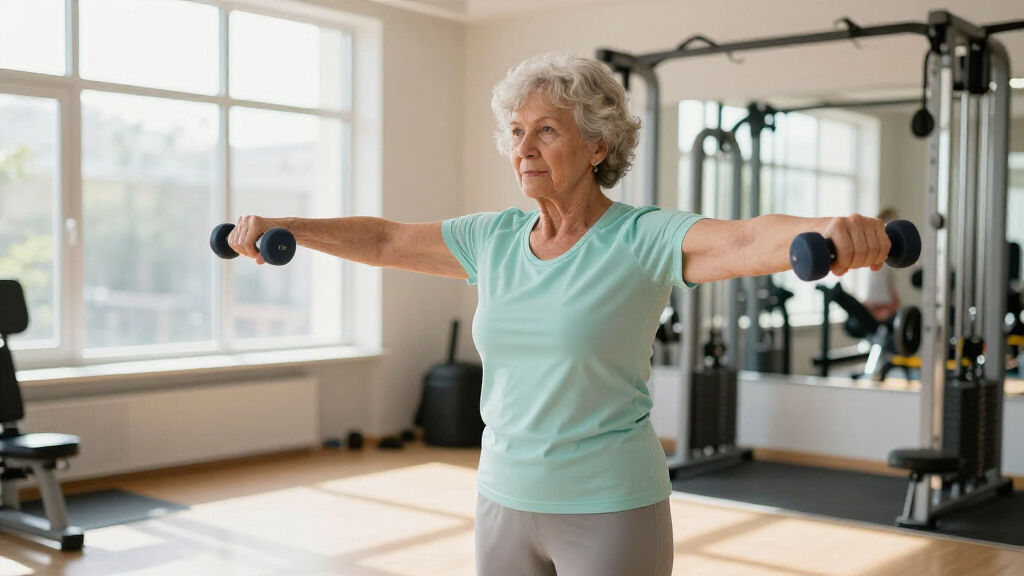
For example, a typical session might include chair squats, wall push-ups, seated rows with resistance bands, and gentle shoulder presses. Use light weights or resistance bands to start—your goal is proper form, not heavy lifting. This approach minimizes joint stress while effectively stimulating muscle growth. As you become more comfortable, you can gradually increase resistance or repetitions, but always prioritize safety.
Progressively increasing the challenge is crucial for continued gains. Every 2–3 weeks, add a few more reps or slightly heavier resistance. This gradual overload forces your muscles to adapt, leading to strength and size increases without overwhelming your joints or nervous system. Think of it as turning up the volume on your favorite song—slowly and safely, to enjoy the full experience without distortion.
adjustable dumbbells for older adults
As an affiliate, we earn on qualifying purchases.
As an affiliate, we earn on qualifying purchases.
How to Pair Resistance Training with the Right Nutrition
Building muscle isn’t just about lifting; it’s about fueling your body properly. Older adults need more protein than the standard 0.8 g/kg/day. Adequate protein supports muscle repair and growth, especially after workouts. Aiming for about 1.0–1.2 g/kg/day ensures your muscles have the building blocks they need for recovery and hypertrophy. Spreading protein intake evenly across meals maximizes muscle protein synthesis, the process where your body repairs and builds muscle tissue.
For example, if you weigh 70 kg (154 lbs), target around 70–84 grams of protein daily. Include protein-rich foods like eggs, dairy, fish, beans, or lean meats in each meal. This consistent supply prevents muscle breakdown and encourages growth.
Leucine, an essential amino acid, plays a pivotal role. It acts as a trigger for muscle protein synthesis, like a spark igniting a fire. To hit the leucine threshold (around 2.5–2.8 g per meal), aim for about 20–25 grams of high-quality protein per sitting. High-quality sources such as whey, eggs, or fish provide concentrated leucine, making your efforts more efficient.
Supplements like protein shakes can be convenient, especially if appetite or chewing ability is reduced. However, whole foods should remain your primary source. Additionally, vitamin D is essential for muscle function and balance. Adequate levels—achieved through sunlight, diet, or supplements—can reduce fall risk and improve strength. Combining proper nutrition with resistance training creates a synergy that maximizes your muscle gains and overall health.
blood flow restriction training kit
As an affiliate, we earn on qualifying purchases.
As an affiliate, we earn on qualifying purchases.
Safety Tips That Keep You Strong Without Getting Hurt
Safety comes first. Always check with your doctor before starting a new routine—especially if you have heart issues, osteoporosis, or joint problems. A medical clearance ensures your plan aligns with your health status and minimizes risks.
Begin light. Use a weight or resistance band that feels manageable—you should be able to perform exercises with proper form without strain. Focus on mastering technique for 2–4 weeks before increasing resistance. This foundation reduces injury risk and builds confidence.
For example, instead of jumping into heavy squats, start with seated leg lifts or supported wall push-ups. Warm up for 5–10 minutes with gentle movements like marching in place or arm circles. Warming up increases blood flow and prepares your muscles and joints for activity, reducing the chance of strains or sprains.
Watch for pain. Normal muscle soreness indicates your muscles are adapting; sharp or joint pain signals potential injury. Stop immediately if you experience discomfort and reassess your form or resistance level. Avoid holding your breath during lifts—steadily exhaling helps maintain blood pressure and reduces dizziness.
Incorporate balance and power exercises, like tai chi or quick step drills, to improve stability and prevent falls. These exercises complement strength routines by enhancing your body’s ability to react quickly and maintain equilibrium, which is vital for safety.
As an affiliate, we earn on qualifying purchases.
Current Breakthroughs Making Building Muscle Easier for Seniors
Recent research highlights some exciting options. Power training—lifting quickly and lowering slowly—may better preserve functional ability than slow, heavy lifts alone. This approach mimics everyday movements like standing up or climbing stairs, making strength gains more applicable to daily life. It enhances neuromuscular coordination and functional strength, which are crucial for independence.
Blood flow restriction (BFR) training, which uses light weights with a cuff to reduce blood flow temporarily, offers gains with less strain and joint stress. This method allows older adults to achieve muscle hypertrophy comparable to heavy lifting, but with significantly lower load—making it safer and more accessible, especially for those with joint issues or low tolerance for heavy weights.
Supplements like creatine, when combined with resistance training, show promise for increasing muscle mass and strength safely. Studies suggest 3–5 grams daily can enhance muscle recovery and growth, particularly when paired with proper nutrition. Creatine helps replenish energy stores in muscles, enabling more effective workouts and faster gains.
Finally, home-based programs using resistance bands or bodyweight exercises have proven effective, making muscle building accessible without gym visits. These options reduce barriers like transportation or cost, encouraging consistency. The evolving landscape of training methods offers older adults safer, more convenient ways to stay strong and functional at home.
Your Top Questions About Building Muscle After 60 (Answered!)
- Am I too old to start? No. Gains are possible at any age, even into the 90s. The key is consistent effort and safety. Starting later in life may mean slower initial progress, but the benefits accumulate over time, leading to better strength, balance, and independence.
- How much protein do I need daily? About 1.0–1.2 g/kg, spread across meals. This amount provides your muscles with enough amino acids for repair and growth. If appetite or digestion is a concern, supplements can help, but whole foods should remain the foundation for balanced nutrition.
- How often should I lift? Aim for 2–3 times weekly, focusing on major muscle groups with 8–12 reps. Consistency is more important than volume—regular sessions produce better results and reduce injury risk. Rest days between sessions allow muscles to recover and grow stronger.
- Are weights or bands better? Both work well. Resistance bands are safer, more portable, and easier to control, making them ideal for beginners or those with joint issues. As confidence and strength improve, progressing to free weights can offer more challenge, but always prioritize proper form and safety.
- Will lifting bulk me up? Unlikely at this age—most older adults see strength and tone, not size. It’s about functional fitness, which improves your daily life, rather than bodybuilding. Excess muscle gain typically requires high-calorie diets and specific training regimens not suited for most seniors.
Frequently Asked Questions
Am I too old to build muscle?
Not at all. Research shows that older adults can gain muscle and strength well into their 80s and 90s. Consistency and safety are key.How much protein should I eat daily, and do I need supplements?
Aim for about 1.0–1.2 g of protein per kilogram of your body weight daily, spread across meals. Supplements like protein shakes can help if your appetite is low, but whole foods should be your foundation.How often should I lift, and how heavy?
Target 2–3 sessions per week, focusing on major muscle groups with 8–12 repetitions. Use light to moderate resistance initially, increasing gradually as you build confidence.Will lifting make me bulky or hurt my joints?
Unlikely. Most older adults see strength gains without size increases. Use proper form, avoid overloading, and choose joint-friendly options like resistance bands or water exercises.How long until I see results?
Strength improvements often appear within 4–8 weeks, while visible muscle changes may take 8–12 weeks or more, depending on your effort and consistency.Conclusion
Building muscle after 60 isn’t a myth—it’s a real, achievable goal. With a simple routine, smarter nutrition, and attention to safety, you can regain strength and confidence. Your muscles aren’t finished; they’re just waiting for the right nudge.
Imagine yourself climbing stairs more easily, opening jars without strain, or simply playing with your grandkids a little longer. It’s never too late to start. So, pick up those resistance bands, fuel your body right, and get stronger—step by step.
NFL season / tailgating Picks
team gear
As an affiliate, we earn on qualifying purchases.