
TL;DR

Get workout gear delivered free with Prime
- Fast, free delivery on millions of items
- Prime Video, Amazon Music and more included
- Member-only deals all year
Readiness scores from wearables estimate how prepared your body is for activity, but they are not precise or medical measurements. Trends, context, and personal experience matter more than a single number. Use them as guides, not gospel.
Ever glanced at your wearable’s readiness score and felt surprised—or even confused—that it’s so high one day but low the next. Those numbers seem to promise clarity about whether you should train hard or take it easy. But here’s the truth: readiness scores are estimates, not exact measurements. They’re helpful clues, but not the final word.
Understanding what these scores measure—and what they miss—can save you from making misguided decisions based solely on a number. In this guide, we’ll explore how these scores are generated, their limitations, and how to use them wisely in your fitness routine.
Readiness scores are estimates, combining signals like HRV, sleep, and heart rate into a proprietary algorithm, not definitive measures of your health.
Trends over days matter more than one-off readings; don’t cancel workouts based solely on a low score.
Use readiness scores as a guide, considering how you feel and other factors like soreness, mood, and external influences.
Beware of misleading signals from stress, illness, dehydration, or sensor fit—these can skew the results.
Focus on long-term patterns and personal baselines rather than chasing perfect scores or reacting to every fluctuation.
Fitness Wearables · Data Guide
The Truth About “Readiness” Scores
Your wearable’s readiness score feels like a verdict on your body. In reality, it’s an algorithmic estimate—built from signals like HRV, sleep, and resting heart rate. Useful as a clue, never the final word.
There is no clinical gold-standard test for “readiness.” Scores are algorithmic estimates, not medical facts.
A score of 80 on Oura, WHOOP, Garmin, or Fitbit reflects a different formula. Scores aren’t comparable across devices.
A sustained departure from your personal baseline is far more informative than any single reading.
What the score actually measures
Readiness scores pull together the signals your device can see and compare them against your recent personal baseline. Think of it as a recipe—ingredients are similar everywhere, but each company weighs them differently, so the final taste varies.
HRV & Resting Heart Rate
Heart-rate variability reflects autonomic nervous-system activity and responds to stress, recovery, and even mental state. Resting heart rate shifts with fatigue, illness, and alcohol.
Sleep Duration & Stages
Devices estimate total sleep time reasonably well—but sleep stages and brief awakenings are algorithmic guesses. Total sleep and schedule consistency are the most actionable numbers.
Respiration & Skin Temperature
Respiratory rate and temperature deviation can hint at illness or strain before symptoms appear—but only when sensors fit well and conditions are consistent.
Recent Training Load
Recent exercise volume and intensity feed the algorithm’s expectation of how recovered you “should” be—a soft prior, not a direct measure.
User-Entered Inputs
Some platforms ask you to log illness, alcohol, or perceived effort. These self-reports can sharpen—or bias—the final number.
Your Personal Baseline
The algorithm compares today’s inputs to your own recent range. Population averages matter far less—HRV and sleep needs vary widely between individuals.
Why the score is an estimate, not a fact
Readiness scores rest on assumptions—like “higher HRV means better recovery”—that don’t always hold. A high HRV while dehydrated can mislead; a low score after poor sleep can’t stop you from feeling energized.
Fig. 1 — Readiness occupies the gray zone: richer than a guess, weaker than a lab test.
How to use scores without getting fooled
Treat the score as one input in a broader decision. This five-step chain keeps data in its place—as a guide, not a decree.
Check how you feel
Energy, soreness, mood. Subjective feeling often trumps the number.
Examine signals
Is HRV low from illness or stress? Is sleep actually poor? Details beat the headline.
Identify patterns
Scores dropping after alcohol or late nights? Patterns reveal behavioral impact.
Weigh externals
Travel, heat, altitude, and medication distort signals without true fatigue.
Adjust gradually
Dipped score? Warm up longer, ease intensity. Don’t cancel on a number alone.
A low score isn’t a command to rest forever. A high score isn’t a free pass to push hard. Use the data as a guide, not a decree.
How much can you trust each layer?
| What wearables do | Reliability | Why it matters |
|---|---|---|
| Measure pulse & heart rate | ✓ Solid | Reasonably accurate under good sensor fit and stillness conditions. |
| Detect whether you’re asleep | ✓ Good | Total sleep time and schedule consistency are actionable and fairly dependable. |
| Estimate sleep stages & brief awakenings | ~ Rough | Algorithmic inference; exact deep/REM breakdowns deserve skepticism. |
| Compute HRV from wrist or ring | ~ Conditional | Sensitive to posture, breathing, timing, and device—compare like with like. |
| Predict injury or performance | ✗ No | You can perform well on a low score, or get injured after a favorable one. |
| Diagnose sleep disorders | ✗ Never | Persistent snoring, breathing interruptions, or severe insomnia warrant professional assessment. |
When readiness scores mislead you
Many inputs that skew readings are things devices measure poorly—or not at all.
Mental stress vs. physical rest
Psychological stress and motivation suppress or elevate signals independently of physical recovery—you can be ready despite a low HRV.
Menstrual-cycle fluctuations
Cycle-driven changes in HRV and sleep patterns can distort readiness assessments month to month.
Illness, medication & dehydration
These alter physiological signals without necessarily reflecting your true fatigue—masks and mirrors at once.
Alcohol & jet lag
Both temporarily distort signals, creating false impressions of either recovery or exhaustion.
Sensor fit & missing data
A loose strap or poor skin contact produces inconsistent readings—garbage in, misleading score out.
Shifting algorithms & hidden formulas
Software updates quietly change scoring logic, and proprietary formulas stay opaque—so long-term comparisons get tricky.
What HRV really tells you — and what it doesn’t
HRV measures the variation in time between heartbeats, offering a window into your autonomic nervous system. But “higher is always better” is an oversimplification—HRV shifts with age, genetics, posture, breathing, timing, and training. What actually drives day-to-day readiness:
Fig. 2 — Relative usefulness of HRV interpretations. A temporary decline can accompany fatigue or stress, but it can’t tell you why.
What do readiness scores actually measure?
Readiness scores from devices like Oura, Garmin, WHOOP, Fitbit, and Ultrahuman pull together various signals to estimate how prepared your body is for activity. These signals include heart-rate variability (HRV), resting heart rate, sleep duration, recent exercise, respiration rate, skin temperature, stress patterns,
and sometimes even user-reported factors like illness or alcohol consumption. Each company uses its own formulas, weighting these inputs differently, so a score of 70 on one device might not mean the same as 70 on another.
Think of readiness scores as a recipe—ingredients are similar, but the final taste depends on how much of each you add. They’re not direct measures of health or fitness, but estimates based on the signals your device can see and interpret.
Understanding these inputs in depth helps you grasp why a score might fluctuate. For example, HRV is influenced by your autonomic nervous system, which responds to stress, recovery, and even mental states. Sleep quality impacts recovery factors, but the relationship isn’t straightforward—poor sleep might not always mean you’re unready if other recovery markers are good. Recognizing these nuances enables you to interpret scores more thoughtfully and avoid overreacting to single fluctuations.
Products Worth Considering

Garmin Venu 3 Fitness Smartwatch, 45 mm, Black
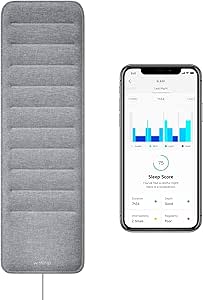
Withings Sleep Under-Mattress Sleep Tracking Pad

OMRON VIVA 360+ Body Composition Monitor and Smart Scale
As an affiliate, we earn on qualifying purchases.
Why your readiness score is just an estimate, not a fact
Here’s the core truth: readiness scores are estimates, not a gold standard. There’s no universal medical test that confirms if your body is truly ready for stress or recovery. These scores are built on assumptions—like HRV being higher when you’re recovered—that don’t always hold true.
For example, a high HRV might indicate good recovery, but if you’re dehydrated or stressed, the score could still be misleading. Similarly, a low score caused by poor sleep might not prevent you from feeling energized if your mental state is high. This variability underscores that scores are not definitive; they are influenced by multiple factors, some outside your control.
The significance lies in recognizing the limitations of these estimates. They are particularly useful when viewed over time—tracking trends can reveal patterns that are more meaningful than individual readings. For instance, a consistent decline in scores might suggest accumulating fatigue, prompting you to adjust your training or recovery strategies accordingly. Conversely, a sudden spike or drop could be due to external factors like stress or illness, not necessarily your physical readiness.
Ultimately, understanding the tradeoffs—what signals are weighted more heavily and their susceptibility to external influences—helps you interpret scores more accurately and avoid misjudgments that can hinder your progress.
How to interpret readiness scores without getting fooled
Using readiness scores wisely means combining data with your own feelings and context. Here’s a simple process:
- Check how you feel. Do you have energy? Soreness? Mood swings? Sometimes, your subjective feeling trumps the number. Recognizing your own sensations can prevent overreliance on potentially misleading data.
- Look at the underlying signals. Is your HRV low due to illness or stress? Is sleep quality poor? These details reveal much more than the overall score, and understanding their implications helps you make better choices about training intensity and recovery.
- Identify patterns. Is your score consistently dropping after certain habits, like drinking or late nights? Spotting these patterns helps you understand the impact of specific behaviors on your recovery, enabling more targeted adjustments.
- Consider external factors. Travel, heat, or medication can influence signals without reflecting true fatigue or readiness. Being aware of these factors prevents misinterpretation and unnecessary rest days.
- Adjust training gradually. If your score dips, maybe warm up longer or reduce intensity. Don’t cancel workouts solely based on a number unless symptoms suggest injury or illness. Using scores as a guide rather than a strict rule respects your body’s complexity and your personal experience.
Remember: a low score isn’t a command to rest forever, nor is a high score a free pass to push hard. Use the data as a guide, not a decree. Recognizing the tradeoffs and limitations of these scores allows you to make smarter, more nuanced decisions that support your long-term progress and health.
When readiness scores can mislead you
There are many scenarios where these scores might give you a false picture. For instance, if you’re stressed mentally but physically rested, your HRV might be low, suggesting fatigue, even though you’re ready. Conversely, a good sleep score might hide underlying inflammation or illness. Recognizing these discrepancies is crucial because relying solely on scores can lead to poor training decisions or neglect of health issues.
Other factors that can skew readings include:
- Psychological stress and motivation levels, which can suppress or elevate signals independently of physical recovery
- Menstrual-cycle fluctuations that affect HRV and sleep patterns, potentially misleading your assessment of readiness
- Illness, medication, or dehydration, which alter physiological signals without necessarily reflecting your actual fatigue levels
- Alcohol intake and jet lag, both of which can temporarily distort signals and give false impressions of recovery status
- Sensor fit issues, like a loose strap or skin contact problems, which can produce inconsistent or inaccurate readings
Algorithms also change with software updates, making long-term comparisons tricky. Plus, proprietary formulas are often hidden, so you don’t truly know what’s driving your score. This opacity can lead to misinterpretation if you assume the scores are infallible. Recognizing these pitfalls encourages a more cautious approach, integrating subjective feelings and external context to avoid overreacting to potentially misleading data.
What HRV really tells you (and what it doesn’t)
HRV measures the variation in time between heartbeats, offering a window into your autonomic nervous system. Many assume that more HRV equals better recovery, but it’s not that simple. HRV varies with age, genetics, posture, breathing, and even the time of day. These factors can confound your interpretation if not taken into account.
For example, a young athlete might have an HRV of 80 ms when rested, but this can dip to 60 ms if they’re stressed or dehydrated. Comparing HRV readings is most useful when you keep conditions consistent—like measuring first thing in the morning under similar circumstances. A sudden drop can signal fatigue or stress, but it’s rarely definitive; it’s more about detecting trends over time.
Use HRV as a trend indicator. If it’s steadily declining over days, you might consider resting more or adjusting your workload. Conversely, if it’s stable or improving, it suggests recovery. But don’t rely on a single measurement to decide your workout—context and consistency are key. Recognizing the tradeoffs in HRV interpretation helps you avoid overreacting to normal fluctuations and focus on meaningful patterns.
Sleep data: what it can and can’t tell you
Wearable sleep tracking is better at telling if you slept enough than precisely how much deep or REM sleep you got. Total sleep time and consistency are more actionable than exact sleep stages. For instance, if you sleep from 11 pm to 7 am most nights, that’s a good baseline for recovery. However, the quality of that sleep—how much deep or REM you actually obtained—can influence your physical and mental readiness.
But a poor sleep score doesn’t automatically mean you’ll perform poorly the next day. And a good score doesn’t guarantee you’re free of sleep disorders. Persistent snoring, frequent awakenings, or unrefreshing sleep are signs that your sleep quality may be compromised and warrant professional evaluation.
For everyday purposes, focus on sleep duration and regularity, which are easier to influence and track. If your device shows fragmented sleep or frequent awakenings, consider habits like reducing screen time before bed, creating a cool dark environment, and establishing a consistent sleep schedule. Recognizing that sleep quality is multifaceted and that wearables provide estimates—not diagnoses—helps you make better decisions about your recovery strategies.
How to put readiness scores into perspective
Here’s the best way to use these scores:
- Don’t treat them as absolute. Instead, see them as part of the bigger picture—your feelings, soreness, performance, and lifestyle. Recognizing their limitations prevents overdependence and helps you contextualize the data effectively.
- Watch for patterns over days or weeks. A single low or high score is less meaningful than a trend. Long-term patterns reveal your body’s response to training and recovery strategies, guiding smarter decisions.
- Factor in external influences. Did you drink alcohol? Travel? Are you sick? External factors can temporarily skew signals, so consider these when interpreting scores.
- Listen to your body. If you feel energized despite a low score, don’t push unnecessarily—your subjective experience matters. Conversely, if you feel tired despite a high score, respect your sensations.
- Use them to adjust, not dictate. If your score drops and you feel fatigued, consider lighter workouts or extra rest. If it’s high and you feel good, proceed with confidence. The key is integrating these signals with your own judgment for balanced training decisions.
Think of readiness scores as a helpful compass, not a GPS. They point you in the right direction but don’t replace your intuition or awareness of your body’s signals. Combining objective data with subjective cues produces the most reliable and sustainable approach to training and recovery.
Latest trends and what they mean for you
Modern devices are combining more signals—like temperature, stress, and training load—and personal baselines, making scores more personalized. Some now track menstrual cycles or predict illness before symptoms appear. These advancements aim to give you a more nuanced view of recovery, helping you tailor your habits and training more precisely.
But don’t forget: algorithms evolve, and sensor errors still exist. The more complex the system, the more room there is for discrepancy. Use these tools as aids, not absolute authorities. They can help identify patterns and provide insights, but they shouldn’t replace your own judgment, professional advice, or listening to your body’s signals.
In the end, technology can support healthier habits, but it can’t replace the fundamental importance of self-awareness and professional guidance. Staying critical of the data and understanding their limitations ensures you benefit most from these innovations.
Frequently Asked Questions
Can I trust my readiness score as a precise measure?
Readiness scores provide a useful trend, but they are estimates based on indirect signals. Don’t treat them as exact measures or medical diagnoses—use them as guides alongside how you feel and other data.Should I skip a workout if my score is low?
Not automatically. Consider how you feel, soreness, and external factors. A low score might mean you need lighter activity or rest, but listen to your body first.What if I feel great but my score says otherwise?
Subjective feelings often reveal more than scores. If you feel energetic and motivated, it’s okay to push, but do so cautiously. Use the score as one piece of the puzzle.Can these scores detect illness or overtraining?
They may signal early signs like temperature or HRV changes, but they can’t diagnose illness or overtraining. Persistent fatigue or symptoms should be evaluated by a healthcare professional.Are readiness scores useful for non-athletes?
Absolutely. They can help identify habits affecting recovery, like poor sleep or stress. Just keep in mind they are one part of a bigger picture—your body’s signals still matter most.Conclusion
Readiness scores in fitness wearables offer a helpful glimpse into your recovery, but they’re far from perfect. The real power lies in combining these signals with your subjective experience, habits, and professional advice when needed. Think of the score as a helpful nudge, not an absolute command.
Next time you glance at that number, remember: your body is more complex than any algorithm. Trust your feelings, pay attention to patterns, and use the data to support, not replace, your intuition and judgment.