
TL;DR
Listen free for 30 days with Audible
Thousands of audiobooks and originals — cancel anytime.
Start your free trialAs an affiliate, we earn on qualifying purchases.
Heart Rate Variability (HRV) measures the variation in time between heartbeats, reflecting your nervous system’s balance. Athletes track HRV to optimize recovery, prevent overtraining, and tailor workouts based on real-time data from wearables. Regular monitoring helps improve performance and overall well-being.
Imagine being able to peek inside your body and see how ready you truly are for the next workout. That’s what HRV offers—an honest glimpse into your nervous system’s state. It’s no longer just for scientists; athletes of all levels now use HRV to gauge recovery, prevent burnout, and make smarter training choices.
In this guide, you’ll learn what HRV actually measures, why it matters, and how you can use simple tools to track it. No jargon, just straightforward info to help you train smarter and listen to your body better.
Heart Rate Variability (HRV) measures the time between heartbeats, reflecting your nervous system’s balance.
Tracking HRV helps athletes monitor recovery, prevent overtraining, and adjust workouts in real time.
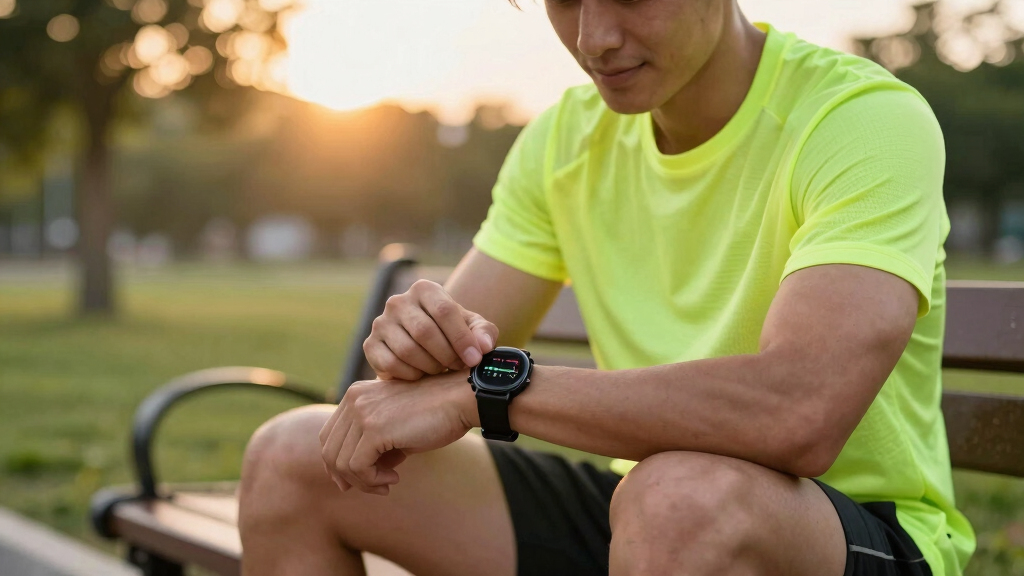
Modern wearables make measuring HRV easy and reliable, often with just a minute in the morning.
Your HRV varies widely among individuals; focus on your own baseline rather than comparison.
Combine HRV with other signs like sleep and mood for a complete picture of your health and readiness.
What is HRV? The simple answer to a complex question
Heart Rate Variability (HRV) is the variation in milliseconds between each heartbeat. Think of it like a jazz rhythm—sometimes the beats are closer, sometimes farther apart. This fluctuation reflects your autonomic nervous system’s ability to adapt to stress and recovery.
Understanding why this matters requires appreciating that a higher HRV indicates your body is in a relaxed, adaptable state, ready to handle stress or physical demands. Conversely, a lower HRV suggests your nervous system is under strain, potentially due to fatigue, illness, or stress, which can impair performance and recovery. Recognizing these patterns helps you make informed decisions about training intensity and rest, avoiding overexertion that could lead to injury or burnout.
In practical terms, HRV acts like a dashboard gauge, telling you whether your body is primed for effort or needs recovery. Ignoring these signals often results in pushing too hard, risking setbacks. Conversely, respecting HRV insights can optimize your training, ensuring you’re neither undertrained nor overtrained.

COROS Heart Rate Monitor, Auto-wear Detection – Grey, Standard
- Purpose: Measures heart rate during sports activities
- Device Compatibility: Pairs with COROS watches and apps
- Device Pairing: Connects with up to three devices via Bluetooth
As an affiliate, we earn on qualifying purchases.
As an affiliate, we earn on qualifying purchases.
Why athletes suddenly care about HRV: The real benefits
HRV gives athletes a window into their recovery and stress levels—something they couldn’t easily measure before. When you track HRV daily, you gain a nuanced understanding of how your body responds to training loads, sleep, and mental stress. For example, a consistent drop in HRV over several days often signals that your nervous system is under strain, possibly from overtraining or inadequate recovery, which can increase injury risk and diminish performance.
More importantly, understanding these fluctuations allows athletes to make strategic decisions. For instance, a sudden decrease in HRV might indicate that your body is overwhelmed, prompting you to cut back on intensity or prioritize recovery. Conversely, a stable or rising HRV suggests your nervous system is resilient, and you can safely push harder. This real-time feedback enables a proactive approach—adjusting your training plan before symptoms of overtraining or burnout appear—ultimately leading to better results and fewer setbacks.
Imagine a runner checking HRV in the morning. If it’s high, she might decide to do a challenging workout, knowing her body is ready. If it’s low, she might choose a gentle recovery jog or rest, preventing unnecessary stress and fatigue. This data-driven adjustment creates a cycle of smarter training, improved performance, and reduced injury risk, making HRV an indispensable tool for serious athletes.

FITVII Screenless Fitness Tracker for Women Men, Health and Fitness Wearable with 24/7 Heart Rate, Blood Pressure and HRV Sleep Monitor, Subscription Free Activity Tracker for Android & iPhone
- Ultra-Slim and Comfortable: Sleek, screenless design for all-day wear
- Comprehensive Wellness Tracking: Monitors heart rate, blood pressure, HRV, sleep, steps, calories, and distance
- No Subscription Needed: All features included without monthly fees or hidden costs
As an affiliate, we earn on qualifying purchases.
As an affiliate, we earn on qualifying purchases.
How modern tech makes tracking HRV easy and accurate
Thanks to wearable tech, measuring HRV is now quick, painless, and accessible. Devices like smartwatches, chest straps, and rings collect HRV data continuously or at specific times—often just a minute each morning—making it easy to integrate into daily routines. These devices use advanced sensors and algorithms to extract meaningful HRV metrics, reducing the guesswork and increasing reliability.
For instance, a fitness ring can track HRV during sleep, giving you a comprehensive overnight picture without extra effort. Apps then analyze this data, presenting trends that help you understand whether your recovery is improving or if stressors are impacting your body. The standardization and validation of these devices have improved significantly, so you can trust that your readings reflect true physiological states. This reliability empowers you to make informed decisions about training and recovery, minimizing unnecessary risks associated with inaccurate data.
In essence, modern technology removes much of the guesswork, giving athletes consistent, actionable insights that support smarter training decisions and better overall health management.

Smart Bracelet Fitness Trackers for Men Women, Smart Watch 24/7 Heart Rate Sleep Stress HRV Monitor, 170+ Sports Modes, 2 Bands, Free APP 06 Black
- 24/7 Heart Rate Monitoring: Continuous health tracking with free app
- Advanced Sleep Analysis: Tracks sleep stages and naps
- 170+ Sports Modes: Supports various sports activities
As an affiliate, we earn on qualifying purchases.
As an affiliate, we earn on qualifying purchases.
The key facts you need to know about HRV
| Fact | Details |
|---|---|
| Individual variability | HRV is highly unique to each person. Two athletes with similar training routines can have different HRV baselines due to genetics, lifestyle, and health. Therefore, tracking your personal baseline and observing your own trends is crucial for meaningful interpretation. Comparing your HRV to others can be misleading, as what’s normal for one person may be abnormal for another, potentially leading to incorrect training adjustments. Recognizing and respecting these individual differences ensures that you make personalized, accurate decisions that truly benefit your recovery and performance. |
| Influencing factors | Age, hydration, stress, sleep quality, illness, and even environmental factors like temperature all influence HRV. Recognizing these influences helps you understand fluctuations—not as random noise but as meaningful signals about your body’s state. For example, dehydration can temporarily lower HRV, signaling the need for hydration rather than a change in training plan. Appreciating these factors allows for more nuanced decision-making, helping you balance stress and recovery effectively. Ignoring these influences might lead you to misinterpret transient dips or spikes, resulting in unnecessary rest or overexertion. |
| Common metrics | RMSSD (Root Mean Square of Successive Differences) and SDNN (Standard Deviation of NN intervals) are the most widely used HRV metrics. They provide insights into parasympathetic activity—the part of your nervous system responsible for rest and recovery. Higher values generally indicate better recovery capacity, but interpreting these metrics requires understanding your personal baseline and trends over time. Relying solely on raw numbers without context can lead to misjudgments about your readiness. It’s essential to interpret these metrics within the broader picture of your health, stress levels, and training history. |
| Monitoring frequency | Consistent daily measurements, preferably in the morning before engaging in physical activity, offer the clearest picture of your body’s recovery status. Tracking over weeks and months helps identify patterns and adjust training accordingly. Irregular or infrequent measurements may miss important fluctuations, reducing the utility of HRV as a predictive tool. Developing a routine ensures you gather sufficient data to make informed decisions. Over time, this consistency helps you recognize your personal patterns and respond proactively to signs of fatigue or readiness. |
| Training impact | Regular aerobic training, combined with adequate recovery, tends to increase HRV over time, reflecting improved autonomic nervous system resilience. Conversely, sudden increases in training intensity without proper recovery can cause HRV to dip, signaling the need for rest. Understanding this tradeoff helps you balance pushing your limits with allowing your body to adapt, ultimately leading to better performance and reduced injury risk. Recognizing these patterns can guide you to optimize your training load, avoid overtraining, and enhance your overall resilience. |
Smart Bracelet Fitness Trackers for Men Women, Smart Watch 24/7 Heart Rate Sleep Stress HRV Monitor, 170+ Sports Modes, 2 Bands, Free APP 06 Black
- 24/7 Heart Rate Monitoring: Continuous health tracking with free app
- Advanced Sleep Analysis: Tracks sleep stages and naps
- 170+ Sports Modes: Supports various sports activities
As an affiliate, we earn on qualifying purchases.
As an affiliate, we earn on qualifying purchases.
Frequently Asked Questions
How do I measure my HRV accurately?
Use a validated wearable device like a smartwatch, chest strap, or ring. Measure first thing in the morning, preferably before getting out of bed, to get consistent, comparable readings.
What is a “good” HRV?
HRV is highly individual. The key is to track your baseline over time and watch for significant drops or rises. Comparing yourself to others is less helpful than understanding your own patterns.
How often should I monitor HRV?
Daily measurements, especially in the morning, help you catch trends and make informed choices about rest and training intensity.
Can HRV improve with training?
Yes. Regular aerobic workouts and good recovery habits can gradually raise your HRV, indicating better autonomic nervous system function and resilience.
Is HRV affected by stress, sleep, or illness?
Absolutely. HRV reacts to physical stress, mental stress, poor sleep, dehydration, and illness, making it a useful holistic health indicator.
Conclusion
HRV isn’t a magic bullet, but it’s a powerful tool to understand what your body is telling you. The more you listen, the better you’ll train—and avoid injury or burnout.
Start by tracking your HRV consistently and see what patterns emerge. Your body’s subtle signals can become your best coach, guiding you to smarter, more sustainable progress.
Pool season Picks
robotic pool cleaners
As an affiliate, we earn on qualifying purchases.