

TL;DR

Get workout gear delivered free with Prime
- Fast, free delivery on millions of items
- Prime Video, Amazon Music and more included
- Member-only deals all year
Losing weight means dropping the scale number, but it can include water, muscle, and fat. Losing fat specifically targets body fat, leading to better health and appearance. Focusing on fat loss with resistance training and proper diet produces more sustainable, body-positive results.
Losing weight includes water, muscle, and fat — not just fat.
Fat loss improves your body composition and health, often with less dramatic scale changes.
Using body composition tools gives better feedback than scale weight alone.
Prioritize resistance training and high-protein diets to preserve muscle during fat loss.
Early weight drops are often water or muscle, not fat — patience is key.
What Does Losing Weight Actually Mean?
Losing weight is simply reducing your total body mass. It includes fat, muscle, water, and glycogen stores. When the scale drops, it’s often a mix of all these components. For example, if you go on a crash diet, you might lose water and muscle along with fat, but your total weight decreases.
This broad change can be misleading. You might lose 5 pounds in a week, but if most is water or muscle, your body doesn’t look or feel healthier. It’s like shrinking a sponge by squeezing out water — it might look smaller, but the actual tissue mass isn’t necessarily reduced in a healthy way. This can have implications for your metabolism, strength, and long-term health, because muscle mass is vital for maintaining a healthy metabolic rate and functional strength. Losing muscle unintentionally can lead to a decrease in resting metabolic rate, making it harder to maintain weight loss and increasing the risk of weight regain. Therefore, understanding that scale weight can be a misleading indicator emphasizes the importance of focusing on body composition and overall health rather than just numbers on a scale.
Products Worth Considering

OMRON VIVA 360+ Body Composition Monitor and Smart Scale

Withings Body Scan Smart Scale with Segmental Body Composition and ECG, Black
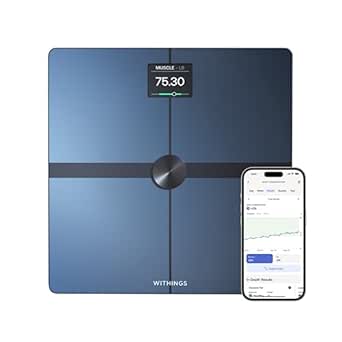
Withings Body Smart Wi-Fi and Bluetooth Smart Scale
As an affiliate, we earn on qualifying purchases.
What Does Losing Fat Really Involve?
Losing fat means reducing the amount of stored body fat — the adipose tissue that accumulates under the skin and around organs. This process improves your body’s composition, making you leaner and healthier. Unlike weight loss, which can include muscle loss, fat loss specifically targets the fat stores that contribute to health risks like heart disease, diabetes, and inflammation. When you focus on fat loss, you’re aiming for a change that enhances not just appearance but also your body’s internal health. This often involves a combination of dietary adjustments and resistance training to ensure that the weight you lose is primarily fat, not muscle. The benefit of targeting fat loss is that it results in a more sustainable, functional, and body-positive transformation. A leaner physique with preserved muscle mass supports better posture, mobility, and metabolic health, reducing the risk of chronic illnesses associated with excess body fat. Recognizing this distinction helps you set realistic goals and avoid the pitfalls of rapid weight loss that can compromise muscle and overall health.
How to Tell If You’re Losing Fat or Just Water and Muscle
Knowing whether you’re losing fat or just water and muscle can be tricky but is crucial for long-term success. Body composition measurements like DEXA scans, skinfold calipers, or bioelectrical impedance provide more accurate insights because they differentiate between fat mass, muscle, and water. For example, if the scale stays the same but your clothes get looser and your muscles look more defined, you’re probably losing fat while preserving muscle. This indicates a healthy, sustainable fat loss process. Conversely, if you notice a decline in strength, increased fatigue, or your measurements increase in certain areas, it could signal muscle loss or water retention issues. Paying attention to how your body feels and looks, along with these measurements, helps you adjust your approach—such as increasing protein intake or modifying workouts—to prioritize fat loss over muscle depletion. This nuanced understanding prevents frustration, ensures you’re making progress toward your health goals, and helps maintain the muscle needed for functional fitness and metabolic health.