TL;DR

Get workout gear delivered free with Prime
- Fast, free delivery on millions of items
- Prime Video, Amazon Music and more included
- Member-only deals all year
Lifting lighter weights for high repetitions boosts muscular endurance, supports fat loss, and can promote muscle growth when done right. Recent research shows volume and effort matter more than weight alone, making high-rep training a valuable tool for many fitness goals.
Imagine doing a set of bicep curls with a tiny 5-pound weight for 20 reps. You might think, “This is just for beginners or injury recovery.” But recent insights suggest there’s more to it. Lifting light weights for high reps isn’t just about being easy—it can be a powerful part of your fitness routine.
Whether you’re aiming to boost endurance, burn more calories, or protect your joints, understanding what high-rep, light-weight training can do helps you make smarter choices. No hype, no fluff—just real, practical info to boost your workouts.
High reps with lighter weights can stimulate muscle growth as effectively as heavier lifts when effort and volume are high enough.
This method boosts muscular endurance and increases calorie burn, making it ideal for fat loss and daily activity support.
Proper form and reaching near fatigue are critical—don’t just move the weight, challenge your muscles.
Incorporate variety by mixing high-rep, light-weight days with traditional heavy lifting to prevent plateaus.
It’s safe for joints and suitable for beginners, older adults, or anyone looking for a less stressful workout option.
What Does Lifting Light Weights for High Reps Actually Do?
High-rep, light-weight training primarily builds muscular endurance. That means your muscles get better at sustaining effort over time—think long hikes, sports, or daily chores. But it also influences muscle size and fat burning more than many realize.
For example, doing 15 reps with a 10-pound dumbbell targets different muscle fibers than heavy lifting. It trains your slow-twitch fibers—those that help you stay active longer without fatiguing quickly. Plus, it can lead to visible muscle growth, especially for beginners or those returning from injury, when volume is high enough.
Research indicates that when the number of reps climbs past 12, your muscles are under tension for a longer stretch—this is called ‘time under tension.’ This extended stress can stimulate muscle growth similar to lifting heavier weights, provided you push yourself close to fatigue. The implication is that high-rep training can be as effective as low-rep, heavy lifting for muscle development, but it requires careful attention to effort. The tradeoff is that high-rep training demands more time and consistency to see significant gains, and overdoing it without proper recovery can lead to fatigue or burnout.
As an affiliate, we earn on qualifying purchases.
Can High Reps Help You Burn More Calories?
Lifting lighter weights for many reps cranks up your calorie burn during and after your workout. It’s like turning your exercise session into a mini cardio session. You’ll notice a richer sweat and a more noticeable burn in your muscles, especially if you keep the pace brisk.
Imagine doing three sets of 20 reps with a resistance band. Your heart pounds a little more than with heavier, fewer reps, and your muscles stay under tension longer. This sustained effort raises your metabolic rate—meaning you burn more calories even after you finish.
From a physiological perspective, high-rep routines increase your heart rate and oxygen consumption, which boosts calorie expenditure. The longer your muscles stay under tension, the more energy your body uses to repair and recover. The tradeoff is that high-rep workouts can be more time-consuming and may require more effort to maintain intensity, but they can be especially effective for fat loss when combined with proper nutrition. The key is that high-rep training can amplify calorie burn without necessarily increasing joint stress, making it a practical option for sustained fat loss.
muscular endurance resistance bands
As an affiliate, we earn on qualifying purchases.
As an affiliate, we earn on qualifying purchases.
Is Lifting Light Weights for Muscle Growth Really Effective?
Absolutely. While many associate muscle size with lifting heavy weights, recent studies show that high reps can promote muscle hypertrophy—growth—when you push to fatigue. It’s all about the total volume and effort you put in.
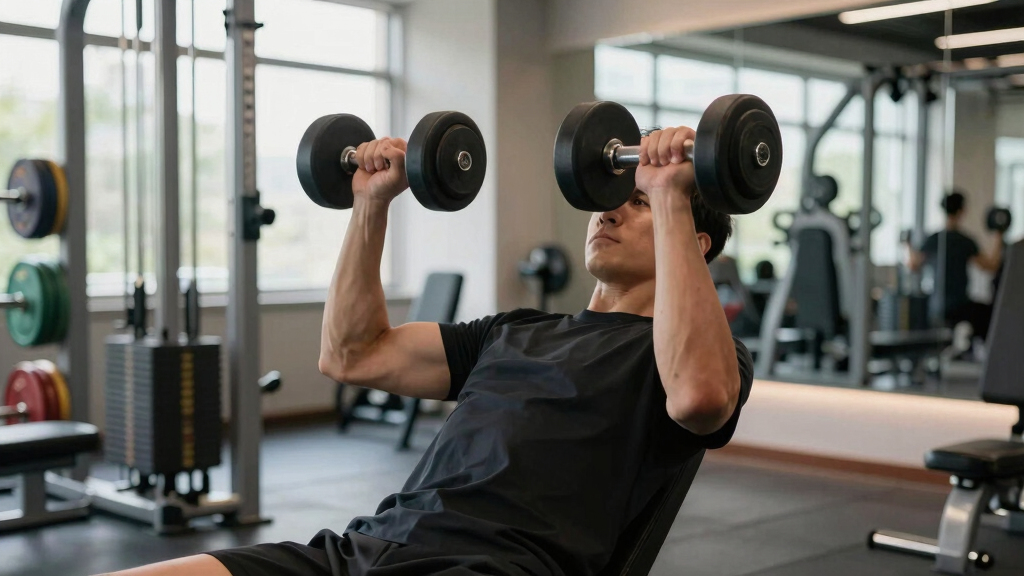
Say you do 4 sets of 15 reps with a moderate weight until your muscles shake and you’re close to failure. That fatigue signals your muscles to grow, similar to lifting heavier weights for fewer reps. The physiological mechanism here is that muscle hypertrophy occurs when muscles are repeatedly challenged under tension, regardless of the weight, as long as effort is maximized.
For beginners, or those easing back after injury, high-rep training offers a safe way to stimulate growth without risking joint strain or burnout. The tradeoff is that high-rep training often requires more volume and consistency to match the hypertrophic effects of heavy lifting, and if effort isn’t sufficient, gains may be limited. The key is pushing close to fatigue, which signals muscle adaptation. When properly executed, high-rep training can be just as effective as heavy lifting for muscle size, but it demands focus on effort and proper form.
As an affiliate, we earn on qualifying purchases.
What About Joint Safety and Injury Risk?
Lifting light weights for high reps is gentler on your joints. Because the resistance is lower, your risk of strain or injury drops—perfect if you’re recovering or have joint issues. But proper form remains crucial.
Picture someone doing 20 slow, controlled repetitions with a light dumbbell. The movement feels smooth, and the joints aren’t under stress like they might be with heavy weights. The lower load reduces the mechanical stress on joints, decreasing the risk of acute injury or aggravating pre-existing conditions. However, repetitive high-rep movements can still cause overuse injuries if performed excessively or with poor form. The tradeoff is that while joint stress is minimized, neglecting proper technique or overtraining can still lead to issues such as tendinitis or muscle strain. Therefore, safety involves balancing effort with proper technique, listening to your body, and allowing adequate rest to prevent overuse injuries.
As an affiliate, we earn on qualifying purchases.
Can High Reps Break Plateaus and Keep Your Routine Fresh?
Yes. Doing the same heavy lifts all the time can lead to plateaus—your progress stalls. Adding high-rep, light-weight days shakes things up. It challenges your muscles differently, keeps boredom at bay, and prevents adaptation.
From a physiological standpoint, incorporating high-rep training introduces a different stimulus that encourages muscle adaptation. When muscles are repeatedly subjected to the same stress, they become efficient, and growth stalls—a phenomenon known as adaptation. By varying the rep ranges, you disrupt this plateau, forcing muscles to respond to new challenges. For example, switching from heavy squats to high-rep lunges or bodyweight circuits can stimulate different muscle fibers and metabolic pathways, leading to continued progress. The tradeoff is that frequent variation requires planning and consistency, but it ultimately leads to more balanced development and reduces the risk of overtraining specific muscle groups.
How to Incorporate High Reps Safely Into Your Routine
- Choose a weight that challenges you around the 12-20 rep range. It shouldn’t feel easy, but you shouldn’t be risking injury.
- Focus on slow, controlled movements. Keep your muscles under tension, not just moving the weight.
- Push yourself until near muscle fatigue, but avoid pushing into pain or risking form breakdown.
- Rest for 30-60 seconds between sets to keep intensity high without overtaxing your nervous system.
- Alternate high-rep days with heavier, lower-rep sessions for a balanced program.
For example, dedicate one workout per week to high-rep, lighter weights, and stick with heavier lifting the other days. This approach supports muscle growth, endurance, and safety. The key is to listen to your body and adjust intensity accordingly, ensuring that effort remains challenging but sustainable. Incorporating progressive overload—gradually increasing reps or weight—helps avoid plateaus and ensures continuous adaptation without risking injury. Remember, consistency and attention to form are crucial for long-term success and injury prevention.
The Real Takeaway: High Reps Are Not Just for Beginners
High-rep, light-weight training isn’t just for newbies or rehab cases. It’s a versatile tool for building endurance, promoting muscle growth, and burning calories. When done with effort and proper technique, it’s surprisingly effective.
It’s especially valuable for those who want a gentler, safer way to stay active or spice up their routine. The key? Use enough weight to challenge you within the rep range, push to near fatigue, and keep variety in your workouts.
So next time you see someone lifting tiny weights for a long time, remember—there’s science behind it. This isn’t fluff—it’s a practical, evidence-backed way to reach your fitness goals.
Frequently Asked Questions
Can I really build muscle with just high reps and light weights?
Yes. When you push each set close to fatigue and maintain a good volume, high-rep, light-weight training can stimulate muscle growth, especially for beginners or those returning from injury.What constitutes ‘high reps’?
Typically, 12 to 20+ repetitions per set are considered high reps. The key is choosing a weight that challenges you within this range.Will lifting light weights help me lose fat?
It can, because high-rep routines increase calorie expenditure during and after workouts. Combined with proper diet, it supports fat loss effectively.Is high-rep training safe for people with joint issues?
Yes, because the lower resistance reduces joint stress. However, always prioritize proper form and consult a professional if you have pre-existing conditions.Should I include high-rep days in my workout plan?
Absolutely. Mixing in high-rep, light-weight sessions with heavier lifting creates a balanced routine that promotes strength, endurance, and variety, preventing plateaus.Conclusion
High-rep, light-weight training isn’t a gimmick; it’s a smart, adaptable tool in your fitness arsenal. When you challenge your muscles with effort and variety, you unlock benefits beyond what many expect—including endurance, fat burning, and muscle growth.
Remember, the best routine fits your goals, your body, and your lifestyle. Don’t dismiss the small weights—they can carry big results if used wisely.
Halloween Picks
halloween
As an affiliate, we earn on qualifying purchases.