
TL;DR

Get workout gear delivered free with Prime
- Fast, free delivery on millions of items
- Prime Video, Amazon Music and more included
- Member-only deals all year
Compound exercises engage multiple muscles at once, making them more time-efficient for strength and muscle gains. Isolation exercises target specific muscles and are useful for addressing weaknesses or aesthetics. Combining both offers balanced, effective training.
Ever wonder if you should spend more time on squats or bicep curls? The truth is, most of your workout benefits come from understanding how to use both effectively. Instead of wasting hours on endless isolation work, knowing when and why to choose compound versus isolation exercises can transform your results.
This guide breaks down what each type of exercise offers, how to balance them, and where your time will get the most bang for your buck. Whether you’re a beginner or trying to optimize a busy schedule, you’ll find practical tips to make every minute count in the gym.
Prioritize compound exercises for maximum muscle activation and time efficiency.
Use isolation exercises to target specific muscles, correct imbalances, or refine aesthetics.
Most effective routines combine both, with compound lifts forming the core and isolation as supplements.
Proper form is essential, especially with compound movements, to prevent injury.
For busy schedules, focus on compound lifts first, adding isolation if time allows or for specific goals.
What Are Compound and Isolation Exercises? Here’s the Clear Difference
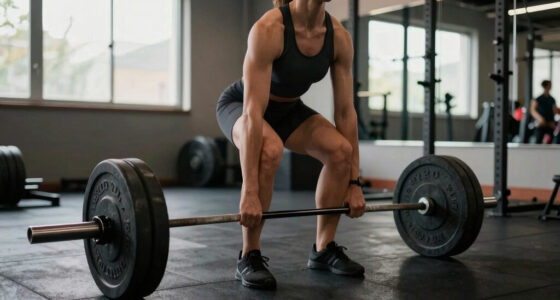
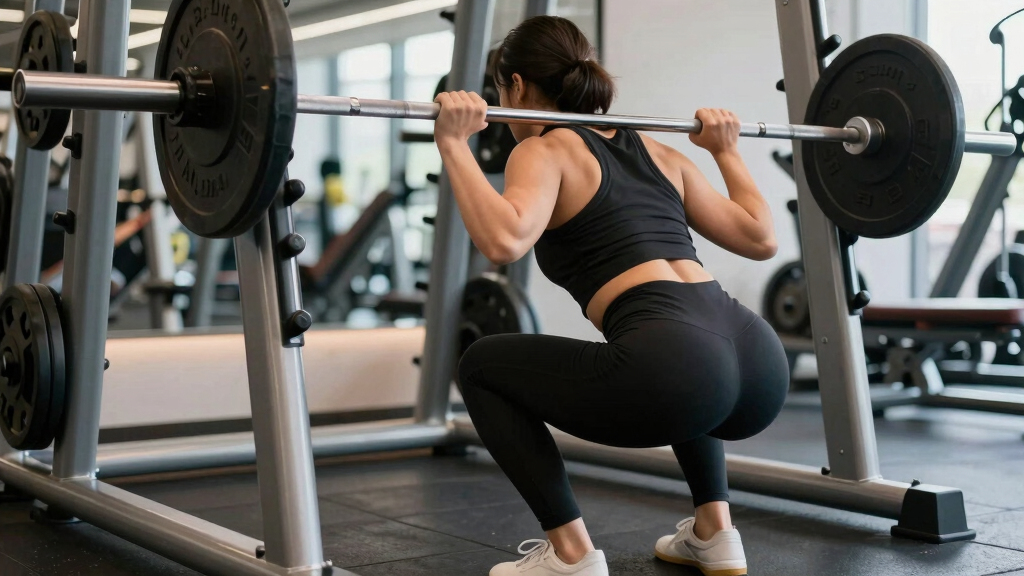
Compound exercises are movements that work multiple muscle groups and joints simultaneously. Think squats, deadlifts, and bench presses—these are the powerhouses of strength training, activating your entire posterior chain or major muscle groups in one go.
Isolation exercises focus on a single muscle or joint. Bicep curls, leg extensions, and tricep pushdowns fall here. They’re like a laser beam, honing in on one muscle to shape or strengthen it without much involvement from others.
For example, if you want to build your chest, a bench press (compound) works your chest, shoulders, and triceps. A pec fly (isolation) targets just the chest, helping refine its shape.
Understanding this fundamental difference is crucial because it influences how you structure your workouts. Compound movements provide a broad stimulus, promoting overall strength and muscle mass, which is especially important when time is limited. Conversely, isolation exercises allow for precise targeting, which can be critical for correcting imbalances or sculpting specific muscles, especially after foundational strength is established.
The tradeoff lies in efficiency versus specificity: compound lifts maximize overall gains in less time but might not isolate a muscle enough for detailed shaping, while isolation exercises excel at refining but require more time and effort to achieve balanced development.
adjustable dumbbell set for strength training
As an affiliate, we earn on qualifying purchases.
As an affiliate, we earn on qualifying purchases.
Why Compound Exercises Are Your Workout’s Power Move
Compound lifts are like the Swiss Army knives of training—efficient and versatile. They activate several muscles at once, making them ideal for building overall strength and muscle mass in less time. Imagine doing a deadlift—your hamstrings, glutes, back, core, and grip all work together. That means more calories burned and more muscles engaged with every rep.
Research from strength training studies shows that compound exercises produce up to 70% more muscle activation than isolation movements [1]. If your goal is to get stronger or add muscle quickly, these lifts are the most effective starting point.
Beyond efficiency, compound movements also promote functional strength—improving your ability to perform everyday tasks like lifting groceries, climbing stairs, or pulling objects. They engage multiple joints and muscles in coordinated patterns, which enhances neuromuscular coordination and stability. This holistic engagement leads to better overall athletic performance and reduces the risk of injury due to muscular imbalances or weak links.
Choosing compound lifts as your primary focus means you’re training smarter—getting more results with less time, and building a foundation that supports all other types of training. The tradeoff is that these lifts often require good technique and proper form to prevent injury, especially as weights increase. So, mastering technique is essential for maximizing benefits and safety.
As an affiliate, we earn on qualifying purchases.
When Isolation Exercises Shine: Focused Muscle Building
Isolation exercises are like fine-tuning a musical instrument—they help you target specific muscles that may lag behind or need extra attention. Imagine you notice your biceps are weaker than your triceps, or you want a more defined six-pack. Isolation movements let you focus on those areas without involving other muscles, which is especially useful for correcting imbalances or enhancing aesthetic details.
For example, doing leg extensions isolates your quadriceps, helping you build strength or shape your thighs. These exercises are particularly valuable when you’ve already built a base of strength through compound lifts but want to sculpt or refine certain muscles for symmetry and proportion.
In rehabilitation scenarios, isolation exercises are often prescribed because they allow for controlled, safe movement that minimizes stress on joints while still stimulating muscle growth. Similarly, athletes or bodybuilders may use isolation work to bring up specific weak points or to achieve a desired physique, which requires attention to detail that compound lifts alone might not provide.
While they may take more time to produce similar gains compared to compound movements, their ability to target and refine specific muscles makes them indispensable for achieving balanced, aesthetically pleasing results or addressing specific weaknesses.
As an affiliate, we earn on qualifying purchases.
How to Use Both Exercises Smartly in Your Routine
Here’s a simple plan to incorporate both effectively:
- Start with compound lifts for 3–4 sets of 6–12 reps. Focus on proper form and progressive overload—adding weight or reps over time. This approach ensures you’re engaging the largest muscle groups first, establishing a strong base for your workout.
- Add isolation exercises afterward, targeting specific muscles that need attention or aesthetic shaping. Keep these to 2–3 sets of 10–15 reps. This sequencing allows you to maximize strength development initially, then refine or correct weaker areas without fatiguing your primary movers.
- Balance your week by alternating focus areas. For example, do squats and leg presses early in the week, then add leg curls or extensions later for balanced leg development. This strategic planning prevents overtraining and ensures all muscle groups receive adequate attention.
- Listen to your body. If a muscle feels weak or tight, add extra isolation work. If you’re pressed for time, prioritize compound lifts, which give you the most bang for your buck in minimal time.
- Adjust based on goals. Powerlifters focus heavily on compound lifts, while bodybuilders might emphasize isolation for symmetry and detail. Tailoring your routine ensures your training aligns with your specific objectives.
For example, a typical workout might include deadlifts and bench presses first, then finish with bicep curls or tricep pushdowns. This way, you hit big muscles hard first and fine-tune smaller muscles afterward, maximizing efficiency and results.
As an affiliate, we earn on qualifying purchases.
The Pros and Cons of Each: Quick Comparison Table
| Feature | Compound Exercises | Isolation Exercises |
|---|---|---|
| Muscle activation | High, involves multiple muscles | Targeted, focuses on one muscle |
| Time efficiency | Very efficient—works several muscles at once | Less efficient—requires more exercises for full effect |
| Best for | Building overall strength, functional fitness | Refining shape, addressing weaknesses, rehab |
| Injury risk | Higher if form is poor | Lower, easier to control movement |
| Use in program | Foundation of most routines | Accessory work or specific focus |
Can You Build Muscle Without Doing Isolations? Yes, But…
Many beginners and even seasoned lifters build impressive muscle solely with compound lifts. Movements like squats, deadlifts, and presses activate enough muscle fibers to promote growth across multiple areas.
However, adding some isolation work can help refine and shape specific muscles, especially if certain areas lag behind. For example, if your arms are weak compared to your back, targeted curls and extensions can bring balance.
Research indicates that while compound exercises are excellent for overall gains, combining both methods accelerates muscle symmetry and aesthetic development.
Neglecting isolation exercises might limit your ability to address specific weaknesses or achieve a highly sculpted physique, especially as you advance. They allow you to focus on small muscle groups that might not get enough stimulus from compound lifts alone, which can be crucial for achieving a balanced, proportionate look.
What’s the Best Approach for a Busy Schedule?
If your time in the gym is limited, prioritize compound exercises. They hit more muscles in less time, making them perfect for strength and muscle gains with fewer sessions.
For example, a 45-minute workout focusing on squats, deadlifts, and presses can cover most major muscle groups. Add in 10–15 minutes for isolation moves if you have extra time or specific goals.
Remember, quality trumps quantity. Focus on proper form, controlled movement, and gradual overload—these are your best bets for progress, even when your schedule is tight.
Frequently Asked Questions
Should I only do compound exercises if I want to get stronger?
Compound exercises are excellent for building strength across multiple muscles. However, including some isolation work can help target weak points and improve muscle shape—especially if your goal is a balanced physique.Are isolation exercises necessary for muscle growth?
Not strictly. Many people build significant muscle through compound lifts alone. But adding isolation can speed up progress in specific areas and help correct imbalances, making your training more effective overall.How do I know if I’m doing too many isolation exercises?
If your main focus is strength and overall muscle gain, prioritize compound lifts. Use isolation sparingly, as accessories or for targeting weak points. Overdoing isolation can extend workouts unnecessarily without adding much extra benefit.Can I build a balanced physique without doing isolation exercises?
Yes, many achieve a balanced look with just compound lifts, especially if they include a variety of movements. But if you notice certain muscles lag, supplement with targeted isolation work for better symmetry.What’s a good beginner routine for combining both?
Start with 3–4 compound exercises like squats, bench presses, and rows. Finish with 2–3 isolation moves for arms, shoulders, or other areas you want to improve. Keep it simple, focus on form, and progress gradually.Conclusion
Understanding the strengths of both compound and isolation exercises empowers you to create smarter workouts. Focus on the big, multi-muscle lifts first—they’re your best tool for building strength and muscle efficiently.
Then, add isolation moves to fine-tune your physique, fix weak links, or enhance particular muscles. The key is balance—know when to push hard and when to refine.
In the end, your workout isn’t about doing everything; it’s about doing the right things well. Make each move count, and your progress will follow.
Halloween Picks
halloween
As an affiliate, we earn on qualifying purchases.