
TL;DR

Get workout gear delivered free with Prime
- Fast, free delivery on millions of items
- Prime Video, Amazon Music and more included
- Member-only deals all year
Most adults need about 0.8 grams of protein per kilogram of body weight daily, but active individuals, seniors, and certain groups may require more. Balancing protein sources and timing can boost health and sustainability without overdoing it.
Ever wondered if you’re eating too much or too little protein? Maybe you think more protein equals better health. It’s a common assumption, but the truth is more nuanced. You might be surprised to learn that the standard daily amount most adults need is actually quite modest. Still, certain life stages and activity levels shift that number.
In this guide, you’ll discover what science says about your real protein needs, how to meet them without excess, and why balancing your sources matters more than just hitting a number. Whether you’re lifting weights, aging, or just trying to eat better, understanding this can change how you plan your meals.
Most adults need only about 0.8 g/kg/day, but active and older adults often require more.
Balancing protein sources—animal and plant-based—can meet needs without excess.
Distribute your protein intake evenly across meals to support muscle health.
Overdoing it with protein supplements or processed foods can cause health issues.
Individual needs vary; consider your activity, age, and health when planning intake.
What’s the real minimum? How much protein do you need daily?
Most adults need about 0.8 grams per kilogram of body weight daily, according to health guidelines. That’s roughly 56 grams for a 70 kg (154 lbs) person. Think of it as the bare minimum to keep your muscles, skin, and immune system functioning. But why does this matter? Because consuming just enough ensures your body can perform its vital functions without unnecessary excess that could strain organs like your kidneys over time.
For example, a typical breakfast with eggs and toast can easily meet or exceed that amount. But if you’re active or older, your body demands more to support muscle repair, immune health, and energy needs. Understanding this baseline helps you avoid both deficiency and overconsumption, which can lead to health issues or wasted nutrients.
Recent studies suggest that sticking strictly to the RDA might underserve some groups, especially those who want to preserve muscle, recover from illness, or maintain metabolic health. Recognizing individual variation is crucial for optimal health.
As an affiliate, we earn on qualifying purchases.
Why your activity level and age change how much protein you need
Think of your body as a factory. When you’re active—running, lifting, playing sports—your muscles break down and rebuild more often. To keep up, your body needs more raw materials—more protein. This increased demand supports muscle synthesis, recovery, and overall performance. Conversely, if you’re less active, your body’s maintenance needs are lower, but you still require enough protein to prevent muscle loss and support immune function.
Older adults face a specific challenge: muscle loss, called sarcopenia, which can impair mobility and increase fall risk. Higher protein intake—around 1.2–1.5 grams per kilogram—helps counteract this decline by promoting muscle preservation and repair. For example, a 70-year-old might need more protein than a sedentary 30-year-old to maintain strength and independence.
Meanwhile, athletes or those recovering from injury often require even more—sometimes 1.2 to 2 grams per kilogram daily. This higher intake supports tissue repair and adaptation to training stress, essentially fueling a high-performance engine. Recognizing these differences helps tailor dietary choices to support health at every stage of life or activity level.
As an affiliate, we earn on qualifying purchases.
How much protein do active people really need? The numbers
| Activity Level | Typical Protein Range |
|---|---|
| Sedentary adult | 0.8 g/kg/day |
| Recreational exerciser | 1.0–1.2 g/kg/day |
| Athlete or physically active | 1.2–2.0 g/kg/day |
| Older adult or recovering from illness | 1.2–1.5 g/kg/day |
For instance, a 70 kg person who runs regularly might aim for around 1.5 grams per kilogram—about 105 grams of protein daily. This amount supports muscle repair, immune function, and energy needs. If they consume less, they risk impairing recovery and muscle maintenance; if they consume significantly more, they may be wasting nutrients or stressing organs over time. Finding the right balance is key to optimizing performance and health without overdoing it.
protein supplement for muscle recovery
As an affiliate, we earn on qualifying purchases.
As an affiliate, we earn on qualifying purchases.
Are you eating enough? How to check your protein intake
Tracking your meals helps. Keep a food diary for a few days and add up your protein grams. Apps or nutrition labels make this easier. Recognizing patterns can reveal if you’re consistently meeting your body’s needs or if you’re falling short, which might impair muscle maintenance, immune function, or recovery. Conversely, consistently exceeding needs may lead to unnecessary strain on your kidneys or dehydration over time.
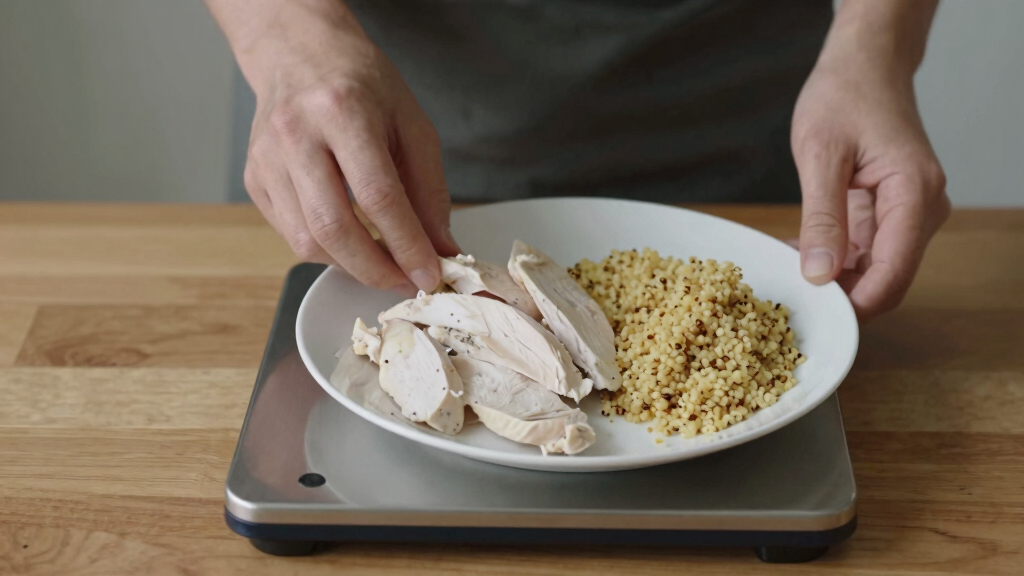
For example, a typical serving of Greek yogurt has about 20 grams, a chicken breast around 25 grams, and a cup of cooked lentils about 18 grams. Comparing these to your daily total helps you assess whether your intake aligns with your activity and health goals. Adjustments, like adding a protein-rich snack—such as a boiled egg or a handful of almonds—can help fill gaps and support muscle repair and immune health.
Understanding your intake helps you make informed decisions to optimize health, prevent deficiencies, and avoid excess.
As an affiliate, we earn on qualifying purchases.
Can plant-based diets meet your protein needs? Yes, if you plan well
Plant-based diets can supply all essential amino acids if balanced properly. Think of combining beans and rice—together, they form a complete protein, compensating for any missing amino acids in individual foods. This synergy is crucial because unlike animal proteins, many plant proteins are incomplete on their own. Proper planning ensures you get a full amino acid profile, which supports muscle repair, immune health, and overall bodily functions.
A bowl of chickpeas with quinoa or a tofu stir-fry can pack plenty of protein. Paying attention to variety is essential: nuts, seeds, soy, whole grains, and legumes all contribute different amino acids, and mixing them prevents deficiencies. This approach not only meets nutritional needs but also offers benefits like fiber, antioxidants, and lower environmental impact.
For example, a vegan athlete might aim for 1.2 grams per kilogram, using a mix of lentils, tofu, and whole grains to meet that goal. While it requires more planning, a well-balanced plant-based diet can be as effective as omnivorous diets for maintaining muscle and overall health, making it a sustainable and healthful choice.
Is eating more protein better? The risks of going overboard
More isn’t always better. Excessive protein—especially from supplements or processed foods—may burden your kidneys over time and lead to dehydration, as your body works harder to eliminate nitrogen waste. While some believe that more protein accelerates muscle gain or aids recovery, research indicates that beyond a certain point, increased intake offers diminishing returns and potential health risks.
For example, consuming 2–3 times the recommended amount daily can strain your renal system and increase calcium loss, which over time might weaken bones. Additionally, high-protein processed foods often contain unhealthy fats, added sugars, or artificial additives that negate health benefits. Over-reliance on supplements can also displace more nutritious whole foods, reducing dietary diversity.
Understanding your actual needs and sticking close to them helps prevent these risks. If you’re unsure, consult a healthcare professional. Balance is key—adequate protein supports health, but excess can cause issues, especially for those with pre-existing kidney conditions or metabolic concerns.
How to balance your protein intake for maximum benefit
Distribute your protein evenly across meals—breakfast, lunch, dinner. This helps your body use it efficiently for muscle synthesis and repair, rather than overwhelming your system at one time. When protein is spread out, your body can better absorb and utilize amino acids, leading to improved muscle maintenance and overall metabolic health.
For example, aiming for about 20–30 grams per meal—such as eggs and toast in the morning, chicken salad at lunch, and fish with vegetables at dinner—ensures a steady supply. Incorporating small protein-rich snacks or smoothies between meals can further support this balance, especially on busy days or when your meals are lighter.
Timing and variety matter just as much as total grams. Prioritizing high-quality protein sources and ensuring consistent intake throughout the day can maximize muscle growth, recovery, and immune function, ultimately supporting your long-term health and sustainability goals.
Frequently Asked Questions
How much protein do I really need daily?
The general guideline for most adults is about 0.8 grams per kilogram of body weight. But active people, seniors, or those recovering from illness often need more—up to 1.2–2 grams per kilogram—based on their activity level and health goals.
Can I get enough protein on a vegetarian or vegan diet?
Absolutely. Combining different plant foods like beans, rice, tofu, and nuts can supply all essential amino acids. Careful planning ensures you meet your daily needs without animal products.
Is more protein always better?
Not necessarily. Excessive protein, especially from supplements or processed sources, can strain your kidneys and cause dehydration. Stick to your personalized needs and consult professionals if unsure.
What are the best sources of high-quality protein?
Animal-based sources like lean meats, eggs, and dairy are complete proteins. Plant-based options like soy, quinoa, and buckwheat also provide complete amino acid profiles if combined properly.
Does consuming protein help with weight loss or muscle gain?
Protein supports muscle repair and can curb appetite, making it a useful part of weight management. But it’s not a magic bullet—overall diet and activity matter most.
Conclusion
Knowing your true protein needs helps you eat smarter, not just more. It’s about quality, variety, and timing—balancing your meals for better health and sustainability. Your body is a finely tuned machine—fuel it with what it truly needs, and it will thank you.
Next time you reach for that protein bar or plate of chicken, ask yourself: is this what my body needs today? Trust your instincts, grounded in the facts, and make every bite count.
Halloween Picks
halloween
As an affiliate, we earn on qualifying purchases.