
TL;DR

Get workout gear delivered free with Prime
- Fast, free delivery on millions of items
- Prime Video, Amazon Music and more included
- Member-only deals all year
Active people need enough water to replace losses and support daily functions, but the right amount varies widely. Thirst and personal sweat rate are better guides than fixed rules. Overhydration can be just as risky as dehydration.
Ever heard that you should drink eight glasses of water a day? Turns out, that’s a vague rule that doesn’t fit everyone — especially active people. Hydration isn’t about hitting a magic number, but rather understanding your body’s signals and needs.
Whether you’re running, cycling, or just chasing after your kids, your water needs change with your activity, environment, and physiology. This guide cuts through the confusion, offering real-world advice to help you stay safely hydrated without overdoing it.
Listen to your body — thirst is a reliable guide for short sessions, but longer workouts need a plan based on sweat rate.
Estimate your sweat loss to personalize hydration — a simple weigh-in method helps you avoid dehydration and overhydration.
Avoid drinking excessively during exercise — weight gain indicates overhydration, which can be dangerous.
Electrolytes help in prolonged, intense exercise, but aren’t necessary for shorter sessions.
Don’t rely on fixed rules like ‘eight glasses a day’ — hydration needs vary widely based on activity, environment, and individual factors.
How Much Water Do Active People Actually Need?
There is no magic number. Safe hydration means replacing what your body loses—without drinking so much that body weight rises. Thirst, sweat rate, workout length, and conditions are more useful than a fixed “eight glasses” rule.
Broad daily reference from food and drinks
Broad daily reference from food and drinks
Varies with diet and individual habits
The reason one-size rules fail
Five rules that matter
Begin normally hydrated, respond to the session in front of you, and finish without a fluid surplus. Personal feedback beats rigid intake schedules.
Let thirst lead short sessions
For ordinary life and short, moderate workouts, thirst is usually a reliable guide.
Measure your sweat loss
A simple before-and-after weigh-in turns generic guidance into a personal plan.
Never chase weight gain
Finishing heavier usually means fluid intake exceeded losses during exercise.
Use electrolytes selectively
They help most during long, hot, salty, or closely spaced sessions—not every workout.
Drop the fixed-glass rule
Body size, heat, altitude, intensity, diet, clothing, illness, and medication all matter.
Daily needs are only the starting line
Population reference values describe total water, not the volume you must pour into a bottle. Exercise adds a highly variable layer driven chiefly by sweat loss.
Food and every drink count
The 2.7- and 3.7-liter figures include water in meals, coffee, tea, milk, and other drinks. They are not exercise prescriptions.
What moves your requirement?
The same person can need very different amounts from one day to the next. Treat these factors as inputs—not footnotes.
Calculate your sweat rate
Repeat the test in different temperatures and at different intensities. A hot-weather run may produce a very different result from an easy indoor ride.
Weigh yourself in kilograms, ideally in minimal, dry clothing.
Remove wet clothing and towel off before the second weigh-in.
Add liters drunk during the session; account for urine if relevant.
70.0 kg before − 69.5 kg after + 0.5 L consumed, across one hour
≈1.0 L/hWhen thirst is enough
Structure becomes more useful as duration, heat, sweat loss, or recovery pressure rises. Even then, the plan should stay responsive rather than becoming a drinking quota.
Short and moderate
For sessions under about an hour in moderate conditions, your normal thirst response is generally sufficient.
- Easy walk, gym session, or short run
- Comfortable weather and ordinary sweat loss
- No urgent second session or rapid recovery need
Long, hot, or demanding
Estimate intake from your sweat rate, then adjust for comfort, conditions, and the ability to drink during the activity.
- Prolonged exercise or heavy sweating
- Extreme heat, humidity, or altitude
- Back-to-back sessions or time-critical recovery
How wide can sweat loss vary?
Illustrative positions across the observed range—not universal prescriptionsA practical hydration matrix
The often-cited 0.4–0.8 liter-per-hour range is a starting point for longer exercise, not a compulsory target. Smaller or slower athletes may need less; larger athletes working hard in heat may need more.
| Situation | Primary guide | Typical approach | Electrolytes? | Main watch-out |
|---|---|---|---|---|
| Ordinary day | ✓Thirst + meals | Drink normally across the day | ✗Usually unnecessary | Forcing water without need |
| Under 1 hour | ✓Thirst | Small sips as desired | ✗Plain water is usually enough | Drinking to a rigid schedule |
| Over 1 hour | ~Sweat-rate plan | Personalize near actual losses | ~May help | Finishing heavier than you began |
| Hot or very intense | ~Rate + symptoms | Sip steadily; reassess frequently | ✓Often useful | Rapid loss or excessive replacement |
| Rapid recovery | ✓Measured deficit | Replace 125–150% over several hours | ✓Sodium with food or drink | Replacing everything too quickly |
Important: sodium cannot prevent hyponatremia when fluid intake substantially exceeds fluid loss.
Start normally hydrated
Regular drinking with meals is usually enough. When planning is warranted, use roughly 5–7 mL/kg four hours before exercise.
Limit—not erase—losses
Use thirst for short sessions. For long sessions, combine your sweat rate with conditions, comfort, and real-time feedback.
Replace the remainder
If fast recovery matters, replace about 125–150% of the remaining deficit gradually to account for continued urine losses.
Too little and too much both carry risk
Hydration is not a contest to consume the most water. The goal is to remain inside a broad, functional range while responding early to unusual symptoms.
Losses outrun intake
Substantial dehydration can raise cardiovascular strain, impair cognition and endurance, and increase heat-illness risk. Around 2% body-mass loss is a useful warning point—not an absolute threshold.
Intake outruns losses
Excess fluid can dilute blood sodium and cause exercise-associated hyponatremia. Severe cases may progress to brain swelling, seizures, coma, or death.
Avoid gaining body weight during exercise. If your post-session weight is higher, you probably drank more fluid than you lost.
From workout to smart intake
Your plan should work like a feedback loop: observe, estimate, adjust, and verify. The number changes as the session and environment change.
Coffee and tea still count
Typical caffeine intake does not cancel out the fluid contained in coffee or tea.
Urine color is only a clue
Food, vitamins, medication, illness, alcohol, and time of day can all change color.
Alcohol is poor recovery fuel
It may impair rehydration, sleep, judgment, and muscle recovery after exercise.
How much water do active people really need? The simple truth
Active individuals typically require more water than the average adult, but there’s no fixed number. The baseline for adults is about 2.7 liters for women and 3.7 liters for men daily, from all drinks and foods. But exercise adds extra demands, and sweat rates can swing from less than half a liter to over 2 liters per hour.
For example, if you go for a 90-minute run in hot weather, you might sweat out 1.5 liters or more. Your needs depend on your body size, how intense your workout is, and the environment. This variability highlights why a one-size-fits-all approach doesn’t work. Listening to your body’s signals, especially thirst, is crucial because it serves as your internal gauge—ignoring it can lead to dehydration or, conversely, overhydration if you drink excessively without need. Recognizing when your thirst is a reliable indicator versus when you need a more structured plan can make all the difference in maintaining optimal performance and health.
Understanding these nuances is vital because the consequences of misjudging hydration are significant. Underhydration can impair cognitive function, reduce physical performance, and increase the risk of heat-related illnesses. Conversely, overhydration, particularly hyponatremia, can cause swelling of brain cells, leading to confusion, seizures, and even death. Both scenarios highlight the importance of personalized hydration strategies that adapt to your specific physiology and activity context.
Products Worth Considering

OMRON VIVA 360+ Body Composition Monitor and Smart Scale
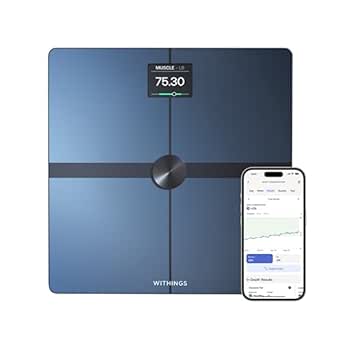
Withings Body Smart Wi-Fi and Bluetooth Smart Scale

Withings Body Scan Smart Scale with Segmental Body Composition and ECG, Black
As an affiliate, we earn on qualifying purchases.
The real-world way to estimate your sweat rate
Knowing your sweat rate helps you plan hydration without overdoing it. Here’s a straightforward method:
- Weigh yourself before and after exercise, ideally wearing minimal clothing to get an accurate measure of fluid loss.
- Note how much fluid you drank during that session.
- Subtract the post-exercise weight from the pre-exercise weight, then add the fluid consumed. This gives you an estimate of total water loss during exercise.
- Divide that total by your exercise time in hours to get your sweat rate in liters per hour.
For instance, if you weigh 70 kg before a 1-hour workout, drink 0.5 liters, and end at 69.5 kg, your sweat loss is about 1 kg (or 1 liter). This data isn’t just about numbers; it reveals how much fluid your body needs during similar conditions. Over time, tracking this helps you identify patterns—such as higher sweat rates in hot weather or during intense sessions—allowing you to tailor your hydration plan accordingly. Recognizing your sweat rate is more than a number; it’s a window into your body’s unique response to exercise and environment. This awareness allows you to balance hydration, prevent dehydration, and avoid hyponatremia. It also highlights the tradeoff between drinking enough to support performance and not so much that you risk health issues associated with overhydration. Tailoring your intake based on this insight ensures you stay in that optimal zone where performance is maximized and health is protected.
When thirst is enough — and when you need a plan
During short, moderate workouts — like a brisk 30-minute walk — thirst usually signals enough fluid intake. Your body’s thirst mechanism is pretty good at telling you when to sip, acting as a built-in safeguard against both dehydration and overhydration. Recognizing this natural cue helps prevent unnecessary drinking, which can lead to discomfort or hyponatremia if taken to excess.
However, during longer sessions or in extreme heat, relying solely on thirst can be risky. Thirst may lag behind actual hydration needs, especially in athletes who are highly trained or in conditions where sweat loss is high. In such cases, a hydration plan based on your sweat rate and environmental factors becomes more reliable. This approach helps you maintain a balance—ensuring you replace what you lose without overloading your system. Overhydration, especially during prolonged exercise, can be dangerous because it dilutes blood sodium levels, leading to hyponatremia. Symptoms include headache, confusion, seizures, and in severe cases, coma. Recognizing when your body’s natural signals are sufficient and when a structured plan is needed is essential for safety. This understanding can prevent the dangerous tradeoff between dehydration and overhydration, both of which impair performance and health. The key is to listen to your body while also considering environmental factors and exercise intensity, creating a hydration strategy that is flexible and responsive to your specific needs.
How to hydrate during long workouts without overdoing it
For sessions lasting over an hour, hydration needs vary widely based on individual factors and environmental conditions. Many guidelines suggest 0.4 to 0.8 liters per hour, but these are starting points rather than strict rules. Recognizing your own sweat rate and how your body responds during exercise is key to fine-tuning your intake. Smaller athletes or those exercising in cooler conditions may need less, while larger athletes or those in heat may require more to compensate for increased losses.
The golden rule? Avoid weight gain during exercise—if you notice your weight increasing, you’re likely drinking too much. Weigh yourself before and after activity to monitor this. Drinking slowly, in small sips, helps prevent bloating and hyponatremia—conditions caused by excessive water intake diluting blood sodium levels. But more importantly, understanding your symptoms and responses is vital. If you start feeling bloated, nauseous, or confused, these are signs you’re overdoing it or not balancing electrolytes properly. Incorporate electrolyte drinks if you’re losing significant salt through sweat, especially in hot conditions or during intense effort. Adjust your intake based on how your body feels and responds, not just on generic guidelines. This personalized approach ensures you stay within safe limits, support performance, and avoid health risks associated with both dehydration and overhydration. Remember, hydration isn’t just about drinking more, but about drinking smart—tailoring your intake to your body’s signals and environmental demands.
Post-exercise rehydration: How much and when
Replenishing lost fluids after exercise is just as important as during. A good rule is to consume about 125–150% of your remaining deficit over a few hours. For example, if you’ve lost 1 kg (or liter), drinking 1.25 to 1.5 liters gradually supports recovery and helps restore electrolyte balance.
This approach recognizes that your body continues to lose fluids and electrolytes through urine and ongoing metabolic processes after exercise. Drinking too little may prolong recovery, while overdoing it risks overhydration. The timing and amount of rehydration are critical because they influence how quickly your body recovers and prepares for future activity. For instance, consuming fluids with electrolytes and carbohydrates can accelerate glycogen replenishment and restore electrolyte levels, especially if you’re short on time or planning another workout soon. Listening to your thirst and monitoring your weight changes can help fine-tune your rehydration strategy. The goal is to restore your hydration status without tipping into overhydration—balancing fluid and electrolyte intake based on individual needs and activity level is essential for optimal recovery and performance.
Understanding your sweat rate for personalized hydration
Estimating your sweat rate is simple and empowering. It helps you avoid dehydration or overhydration. Here’s the step-by-step:
- Weigh yourself before and after exercise, wearing minimal clothing to get an accurate measure of fluid loss.
- Note fluid intake and urine output (if possible).
- Calculate sweat loss: (pre-weight − post-weight) + fluids consumed − urine.
- Divide by exercise duration in hours.
Repeat this process in different conditions to refine your plan. Recognize that sweat rates are not fixed—they fluctuate with heat acclimatization, hydration status, fitness level, and exercise intensity. Understanding these dynamics allows you to adapt your hydration strategy, ensuring you stay within safe limits and optimize performance. Regular monitoring and adjusting your intake based on these factors will help you prevent both dehydration and hyponatremia, making hydration a personalized tool for health and performance. Being conscious of your unique sweat responses helps you make smarter hydration decisions, avoiding the pitfalls of both under- and overhydration, which can impair your physical and mental functioning during exercise.
Do electrolytes always mean better hydration?
Electrolytes like sodium and potassium help replace what you lose in sweat, especially during long, intense sessions or in heat. They support nerve function, muscle contraction, and fluid balance, which are critical for sustained performance and recovery. However, for most short workouts, plain water adequately maintains hydration, and over-relying on electrolyte supplements can be unnecessary or even counterproductive if it leads to excess intake.
Over-the-counter sports drinks can supply carbs and sodium, but they aren’t universally needed. If your sweat is salty—indicated by salt crystals on your skin or residue on your clothing—you may benefit from added sodium. Yet, indiscriminate use of electrolyte products without considering your actual needs can disrupt electrolyte balance, leading to issues like hypernatremia or gastrointestinal discomfort. The key is to assess your individual sweat composition and exercise demands. Incorporating electrolytes thoughtfully, especially during prolonged or high-intensity efforts, can enhance hydration and performance, but they are not a substitute for listening to your body’s signals and maintaining overall balance.
In summary, electrolytes are beneficial when your sweat contains significant salt loss or during extended, strenuous activity. For casual or shorter workouts, plain water often suffices. The tradeoff involves understanding your own physiology and environmental conditions to decide if electrolyte supplementation will provide a meaningful benefit rather than unnecessary excess.
Why overhydration can be as risky as dehydration
Many people think drinking as much as possible is safest, but overhydration can be dangerous. Excessive fluid intake can dilute blood sodium, causing exercise-associated hyponatremia. Symptoms include headache, confusion, seizures, and even coma. This condition becomes more likely when individuals consume large volumes of water in a short period, especially during prolonged endurance events or intense workouts without balancing electrolyte intake.
During long endurance events, drinking according to thirst and avoiding large quantities of plain water is safer. Your kidneys can only excrete about 0.8 to 1 liter of water per hour, so drinking beyond this rate risks diluting your blood sodium to dangerous levels. Recognizing the signs of overhydration—such as swelling, nausea, or mental confusion—is vital. Maintaining a balanced approach, listening to your body, and incorporating electrolytes when appropriate help prevent the serious health consequences of overhydration, ensuring hydration strategies support your safety and performance rather than undermine it. The tradeoff here is subtle but critical: overdrinking can be just as harmful as underdrinking, especially because the symptoms of hyponatremia can develop gradually and be mistaken for dehydration. Therefore, moderation, awareness of your body’s cues, and electrolyte balance are essential to avoid the dangerous consequences of overhydration while still maintaining adequate hydration for exercise and recovery.
Frequently Asked Questions
How much water should I drink on a normal day?
For most adults, about 2.7 liters for women and 3.7 liters for men covers daily needs, including all drinks and food. Listen to your thirst and adjust for activity and climate.Does the daily recommendation include coffee, tea, milk, and water in food?
Yes. Beverages like coffee, tea, and milk count toward your fluid intake. Foods such as fruits and vegetables also contribute, often about 20% of daily water needs.How much extra fluid do I need for a 60-minute workout?
It depends on your sweat rate and conditions, but generally, drinking according to thirst suffices for workouts under an hour. For longer sessions, aim for 0.4–0.8 liters per hour, adjusting based on your body and environment.Should I drink according to thirst or follow a schedule?
For short, moderate workouts, thirst is reliable. In long or hot sessions, a hydration plan based on sweat rate and conditions helps prevent dehydration or overhydration.How can I calculate my sweat rate?
Weigh yourself before and after exercise, note fluid intake, and subtract post-exercise weight from pre-exercise weight. Divide the total water loss by exercise time in hours for your sweat rate.Conclusion
Hydration isn’t about hitting a magic number — it’s about understanding your body’s signals and adjusting to your activity and environment. The best approach combines listening to thirst, estimating your sweat rate, and avoiding extremes.
Picture yourself finishing a workout feeling energized, not bloated or parched. That’s the sweet spot of smart hydration — sustainable, personalized, and safe. Keep these principles in mind, and hydration becomes a tool, not a guessing game.