
TL;DR

Get workout gear delivered free with Prime
- Fast, free delivery on millions of items
- Prime Video, Amazon Music and more included
- Member-only deals all year
Proper breathing enhances core stability and intra-abdominal pressure, supporting safer, more effective lifts. Incorporating breathing techniques into your routine can improve performance and reduce injury risk.
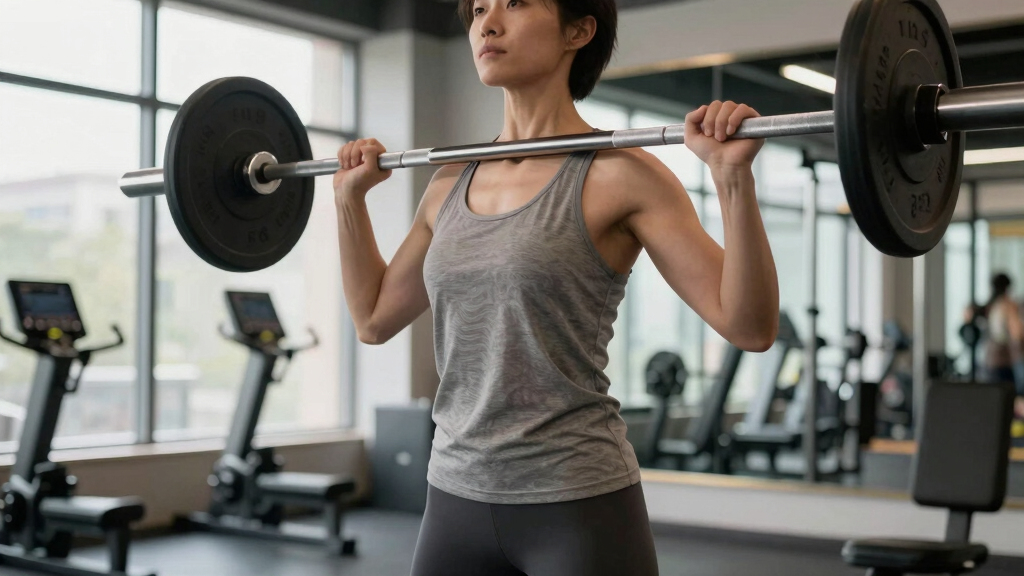
Imagine lifting a heavy barbell and feeling like your core turns into a steel cage. That’s not just strength — it’s your breath working for you. Most lifters focus on form and weight, but the secret to better lifts might be something you overlook: your breathing.
In this guide, you’ll learn how conscious breathing impacts core stability, how to use it safely during your lifts, and practical tips to integrate it into your training. Understanding this overlooked link can make every rep safer, more powerful, and more sustainable.
Effective breathing boosts intra-abdominal pressure, stabilizing your spine and supporting heavier lifts.
Synchronizing breath with movement enhances power, endurance, and technique consistency.
Practicing diaphragmatic breathing and breath-hold exercises improves overall respiratory control.
Use the Valsalva maneuver cautiously and only if you’re healthy; safety always comes first.
Incorporate breathing drills into your routine to make your lifts safer, stronger, and more sustainable.
How Your Breath Shapes Core Stability and Why It Matters
Breathing isn’t just about oxygen; it’s the foundation of your core stability. When you breathe diaphragmatically — filling your belly with air — you activate deep muscles that support your spine. This creates a strong, stable base for lifting.
For example, during a squat, a deep inhale before descending helps brace your core. It’s like setting the foundation of a house before building upward. Without this, your spine is vulnerable to injury, and your strength diminishes.
This core activation through proper breathing can drastically improve how much weight you handle safely. Think of your breath as the secret scaffold that keeps everything aligned.
diaphragmatic breathing exercises for weightlifting
As an affiliate, we earn on qualifying purchases.
As an affiliate, we earn on qualifying purchases.
The Power of Intra-abdominal Pressure (IAP) and How to Maximize It
The key to lifting heavier safely is intra-abdominal pressure — the force created inside your abdomen that pushes outward, supporting your spine. When you actively brace your core through controlled breathing techniques like the Valsalva maneuver, you effectively increase this pressure, which acts as an internal stabilizer. This is crucial because the spine relies on this internal support to withstand heavy loads without buckling or sustaining injury.
Understanding why increasing IAP matters is essential: it distributes forces across your torso, reducing the strain on your spinal structures. However, there’s a tradeoff — excessive or improper use of breath-holding can lead to dangerous spikes in blood pressure, which is why technique and moderation are vital. When done correctly, this method provides a significant safety advantage, allowing you to lift more confidently while protecting your back.
Here’s how to do it safely:
- Take a deep breath into your belly — not your chest.
- Brace your abs as if preparing to get hit in the stomach.
- Hold your breath during the lift, then exhale after completing the movement.
This practice stabilizes your spine and helps you lift more weight with less risk, but always be mindful of your body’s signals and avoid overexertion.
intra-abdominal pressure support belt
As an affiliate, we earn on qualifying purchases.
As an affiliate, we earn on qualifying purchases.
Coordinating Breath with Movement for Better Power and Endurance
Breathing control isn’t just for heavy lifts; it influences your overall movement efficiency and endurance. When you synchronize your breath with your reps — inhaling during the eccentric (lowering) phase, exhaling during the concentric (lifting) phase — you optimize oxygen delivery to your muscles. This coordination helps maintain consistent energy levels, delays fatigue, and improves overall performance.
For example, during a bench press, inhaling as you lower the weight allows your muscles to prepare for the exertion, while exhaling as you push up creates a controlled, powerful movement. This rhythmic pattern not only enhances muscular efficiency but also keeps your nervous system focused, reducing mental fatigue. The tradeoff here involves mastering timing; if your breathing is off, you risk losing control or sacrificing stability. When done correctly, this method creates a sustainable rhythm that supports longer, more intense workouts and better recovery between sets.
As an affiliate, we earn on qualifying purchases.
Comparison Table: Breathing Techniques for Lifting
| Technique | How It Works | Best For |
|---|---|---|
| Diaphragmatic Breathing | Deep belly breaths activate core muscles, improve stability | All lifts, especially beginners |
| Valsalva Maneuver | Holding breath to increase intra-abdominal pressure | Heavy lifting, power lifts |
| Rhythmic Breathing | Inhale/exhale with movement phases to optimize oxygen flow | High-rep training, endurance |
As an affiliate, we earn on qualifying purchases.
The Risks and Safety Tips for Breath Control During Heavy Lifts
Using breath techniques like the Valsalva maneuver can be safe when done correctly. However, holding your breath increases blood pressure temporarily, which can be risky for people with cardiovascular issues. This temporary spike in blood pressure is a tradeoff: while it provides stabilizing support, it also places stress on your vascular system. For healthy individuals, controlled use of this technique can significantly enhance stability, but misuse or overuse can lead to dizziness, lightheadedness, or even fainting.
Never hold your breath if you feel dizzy or uncomfortable. Always listen to your body and consult a professional if you have health concerns. Remember, safety comes first. Proper technique, gradual progression, and awareness of your limits are essential to mitigate risks and ensure that breath control enhances rather than endangers your lifting practice.
Simple Breathing Exercises to Boost Your Lift Power
Here are quick practices to improve your breathing control:
- Diaphragmatic Breathing: Lie on your back, place one hand on your chest, the other on your belly. Breathe deeply into your belly, feeling it rise. Exhale slowly. Practice for 5 minutes daily. This trains your body to use your diaphragm effectively, which is essential for maintaining stability during lifts.
- Breath-Hold Training: Take a deep breath and hold for 10-15 seconds before exhaling. Repeat 5 times. This exercise gradually increases your ability to control your breath under pressure, which translates to better intra-abdominal pressure management during heavy lifts. It also enhances your lung capacity and mental focus.
- Mindfulness Breathing: During rest periods, focus on slow, deep breaths to enhance your focus and reduce anxiety before lifts. This practice helps calm the nervous system, making your movements more deliberate and controlled, ultimately improving lift quality and safety.
Integrating these into your routine makes your body more responsive during lifts, leading to increased stability and performance.
How Breathing Supports Recovery and Long-Term Gains
Proper breathing doesn’t just help during lifts — it also speeds recovery. Controlled exhalations during cool-down improve oxygen delivery to tissues, helping muscles repair faster and reducing residual tension. Additionally, slow, deep breathing activates the parasympathetic nervous system, which counteracts stress hormones like cortisol. This balance is vital because elevated stress levels can impair recovery and hinder muscular growth.
Imagine exhaling fully after a set, feeling your tension release. This act not only promotes relaxation but also enhances circulation, flushing out metabolic waste products like lactic acid. This process accelerates muscle repair and reduces soreness, enabling you to train more consistently. Over time, integrating mindful breathing enhances your overall resilience, mental clarity, and capacity to handle training stress. The tradeoff involves making a conscious effort to incorporate these practices regularly, but the payoff includes faster recovery, better adaptation, and sustained progress.
Frequently Asked Questions
Why is proper breathing so important during lifts?
Proper breathing stabilizes your core, supports your spine, and helps you generate more power. It also reduces fatigue and lowers injury risk when combined with good technique.
How should I breathe during different lifts?
Inhale during the eccentric (lowering) phase and exhale during the concentric (lifting) phase. For heavy lifts, the Valsalva maneuver can be used to increase stability, but always do so cautiously.
Is the Valsalva maneuver safe for everyone?
It’s generally safe for healthy individuals when done correctly. Avoid holding your breath if you have high blood pressure, heart issues, or dizziness. Always listen to your body and consult a professional if unsure.
Can breathing exercises improve my lifting over time?
Yes, exercises like diaphragmatic breathing and breath-hold training strengthen your respiratory control, making lifts safer and more efficient over the long run.
How does breathing affect post-workout recovery?
Controlled breathing during cool-down improves oxygen flow, reduces stress hormones, and accelerates muscle repair, helping you bounce back faster for your next workout.
Conclusion
Breathing isn’t just a background process — it’s a core part of lifting smarter. When you harness your breath, you reinforce your body’s foundation, allowing you to push harder without risking injury.
Next time you load the bar, focus on your breath. It might just be the secret ingredient your lifts have been missing.
Halloween Picks
halloween
As an affiliate, we earn on qualifying purchases.