TL;DR

Get workout gear delivered free with Prime
- Fast, free delivery on millions of items
- Prime Video, Amazon Music and more included
- Member-only deals all year
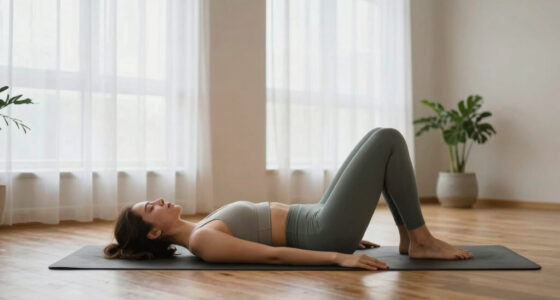
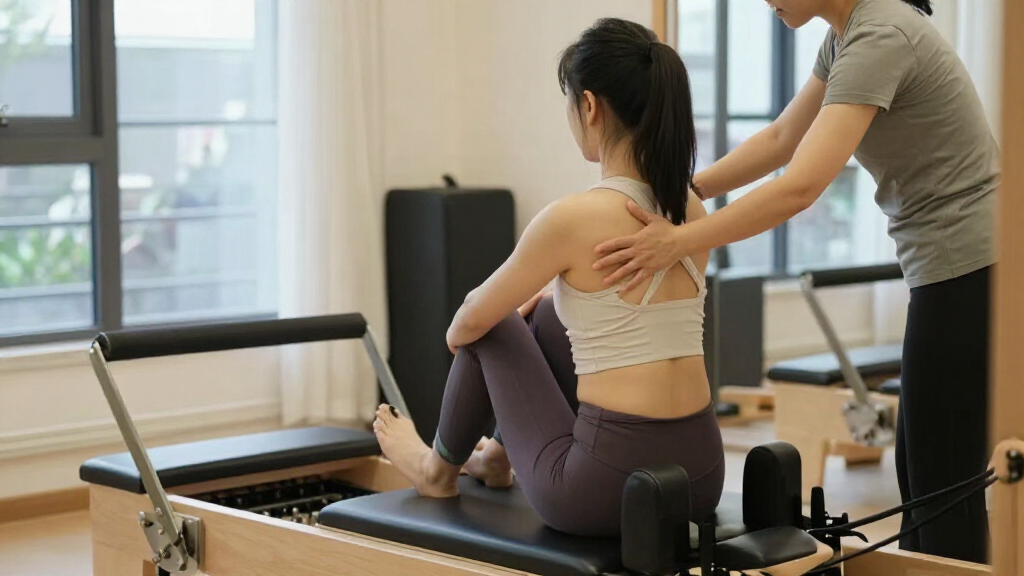
Certified Pilates instructor Marina Enright says a common beginner mistake is attempting advanced exercises before building a foundation. She recommends controlled movement, attention to breathing and easier modifications; people with specific goals or recovering from injury may benefit from guidance from a certified instructor.
A Fit&Well report highlights a common mistake among people starting Pilates: attempting advanced exercise variations before learning the basic movements and building control. Certified instructor Marina Enright, founder of Amare Pilates, says beginners should prioritize alignment, breathing and suitable modifications rather than trying to copy demanding routines seen on social media.
Enright told Fit&Well that some beginners choose challenging versions of exercises before developing a strong foundation. She says this can lead people to compensate with other muscle groups and create tension, including in the neck, shoulders or lower back. Enright also cautions that practicing poor movement patterns may contribute to discomfort or injury; the report does not quantify the risk or establish how often this occurs.
Her first recommendation is to favor movement quality over repetition count. Enright says slow, controlled exercises with proper alignment are more beneficial than rushing through repetitions. She advises focusing on engaging the intended muscles rather than selecting the hardest available variation.
She also recommends keeping attention on breath and movement coordination, which she says can support core engagement, control and body awareness. Beginners should use easier modifications when instructors offer them. Enright describes modifications not as a sign of weakness, but as a way to build strength while learning each exercise’s fundamentals. For people working toward a specific goal or recovering from an injury, she recommends consulting a certified Pilates instructor who can offer guidance and personalized modifications.
Why Early Technique Matters
Enright recommends that beginners focus on alignment and control as they learn Pilates movements. Her advice is relevant to social-media routines because, she says, advanced variations may be difficult for beginners who have not yet established a strong foundation. In her view, attempting such movements without that foundation can lead to compensation and tension.
Enright advises prioritizing alignment and control when practicing, and choosing modifications suited to current ability. She says slow, controlled movement is preferable to rushing through repetitions. This is general instructor guidance; the report does not establish a universal progression approach or guarantee that Pilates will prevent injury or discomfort.
Pilates beginner exercise equipment
As an affiliate, we earn on qualifying purchases.
As an affiliate, we earn on qualifying purchases.
The report frames Enright’s warning around the contrast between social-media Pilates videos and the needs of people new to the practice. Online clips may feature instructors performing demanding variations, but the report says viewers may be tempted to copy those movements without having the precision they require. It does not identify particular videos, platforms or a study measuring how often beginners attempt advanced exercises.
Enright’s three recommendations are straightforward: use controlled repetitions, pay attention to breathing, and choose modifications that match current ability. She also advises people recovering from an injury or pursuing a specific goal to work with a certified instructor. The report does not specify a universal progression plan; exercise choice and appropriate modifications can vary between individuals.
As an affiliate, we earn on qualifying purchases.
What the Report Does Not Establish
The supplied report presents Enright’s professional guidance; it does not cite a study showing how common the mistake is or quantify how frequently advanced variations lead to discomfort or injury. The headline’s phrase “nearly everyone” is not supported by a prevalence figure in the material, so it should be read as framing rather than a measured statistic.
The report also does not define when a participant is ready to progress, prescribe specific exercises or establish that one approach suits every person. It does not assess the effectiveness of Pilates for particular health conditions. People with injuries or other health concerns should seek individualized advice from an appropriately qualified professional.
Pilates core strengthening equipment
As an affiliate, we earn on qualifying purchases.
As an affiliate, we earn on qualifying purchases.
A Gradual Start to Practice
For a beginner, the next step suggested by Enright’s advice is to start with accessible versions of movements, practice at a controlled pace and notice whether breathing and alignment remain manageable. If a class offers modifications, participants can use them while they learn rather than treating the most difficult option as the default. Progression can follow as control develops, but the report gives no fixed timetable or test for moving to harder variations.
People pursuing a particular training goal or returning after an injury can ask a certified Pilates instructor for personalized guidance, including alignment corrections and suitable modifications. The source provides no further announcement or scheduled follow-up; the advice remains general instruction rather than a new clinical guideline.
Pilates beginner modification tools
As an affiliate, we earn on qualifying purchases.
As an affiliate, we earn on qualifying purchases.
Key Questions
What mistake does the report identify for Pilates beginners?
Instructor Marina Enright says beginners may try advanced exercise variations before they have established a foundation in basic movements and control.
Why can starting with advanced moves be a concern?
Enright says beginners may compensate with other muscles, creating unnecessary tension in the neck, shoulders or lower back. She says poor patterns could contribute to discomfort or injury, but the report provides no data quantifying the risk.
What should a beginner focus on instead?
Enright recommends slow, controlled movements, proper alignment, breathing and engaging the intended muscles. She advises prioritizing movement quality over the number of repetitions.
Are Pilates modifications suitable for beginners?
Yes. Enright encourages beginners to use easier modifications when available so they can learn the fundamentals and build strength at a manageable level. She says modifications are not a sign of weakness.
Should someone recovering from an injury seek an instructor?
Enright recommends working with a certified Pilates instructor for people recovering from an injury or pursuing a specific goal. The report does not provide individualized medical advice or a treatment plan.
Source: rss
Halloween Picks
halloween
As an affiliate, we earn on qualifying purchases.