
TL;DR

Get workout gear delivered free with Prime
- Fast, free delivery on millions of items
- Prime Video, Amazon Music and more included
- Member-only deals all year
A individual recounts the most helpful action taken during their panic attack, emphasizing the significance of empathetic support. The story sheds light on effective responses to mental health crises.
A person has shared that the most helpful action during their recent panic attack was when a friend calmly offered reassurance and stayed with them, which significantly eased their distress. This account underscores the importance of supportive responses during mental health crises.
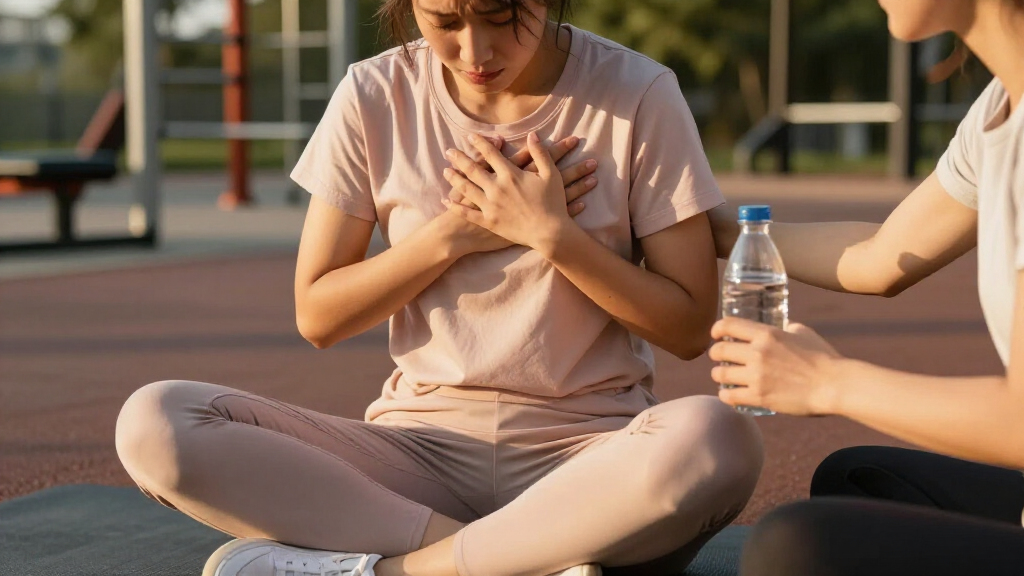
The individual recounted experiencing a severe panic attack in a public setting. According to their account, a friend approached calmly, maintained a reassuring presence, and avoided rushing or dismissing their feelings. This empathetic response helped the person regain composure and feel less isolated. Mental health experts note that such calm, non-judgmental support can be crucial during panic episodes. The account emphasizes that simple acts of kindness and patience can have a profound impact on someone experiencing extreme anxiety or panic.Empathetic Support as a Key to Managing Panic Attacks
This story highlights the vital role of empathetic and calm responses in helping individuals during panic attacks. Such support can reduce feelings of fear and helplessness, potentially preventing escalation. It underscores the importance of public awareness about how to assist someone in distress, which can improve outcomes and promote mental health understanding.
calming weighted blanket for anxiety
As an affiliate, we earn on qualifying purchases.
As an affiliate, we earn on qualifying purchases.
Understanding Responses to Panic Attacks in Public Settings
Panic attacks are sudden episodes of intense fear that can occur unexpectedly or in response to triggers. They often involve symptoms like rapid heartbeat, shortness of breath, and feelings of losing control. While many people experience panic attacks privately, some occur in public, where responses from bystanders can vary widely. Mental health professionals recommend calm, supportive behaviors, such as listening without judgment and offering reassurance. Recent personal accounts, including this one, reinforce the importance of public education on how to respond effectively during such episodes.
“What helped me the most was when my friend stayed calm, spoke softly, and just kept me company. That made me feel less alone and more in control.”
— the individual recounting their experience
As an affiliate, we earn on qualifying purchases.
Unclear if This Response Is Universally Effective
While this personal account highlights a positive response, it remains unclear how universally effective such support is across different individuals and situations. More research is needed to determine best practices for public responses to panic attacks.
As an affiliate, we earn on qualifying purchases.
Promoting Public Education on Supporting Mental Health Crises
Mental health organizations may focus on developing and disseminating guidelines for public responses to panic attacks. Increased awareness campaigns could train bystanders to respond appropriately, potentially improving outcomes for those experiencing such episodes. Further studies may also explore which specific actions are most effective across diverse populations.
guided meditation for panic attacks
As an affiliate, we earn on qualifying purchases.
As an affiliate, we earn on qualifying purchases.
Key Questions
What is the most effective way to help someone having a panic attack?
The most effective approach is to remain calm, speak softly, offer reassurance, and stay with the person without rushing or dismissing their feelings.
Can a supportive presence prevent a panic attack from worsening?
While support cannot prevent all panic attacks, a calm and empathetic presence can reduce their severity and help the individual regain control more quickly.
Are there specific actions by bystanders that should be avoided?
Yes, actions such as dismissing the person’s feelings, rushing to get them to move, or expressing frustration can worsen the situation. Patience and calmness are key.
Is there training available for the public to better support mental health crises?
Yes, many organizations offer mental health first aid training that teaches effective ways to respond to crises like panic attacks.
Source: rss
Fall Picks
fall essentials
As an affiliate, we earn on qualifying purchases.