
TL;DR

Get workout gear delivered free with Prime
- Fast, free delivery on millions of items
- Prime Video, Amazon Music and more included
- Member-only deals all year
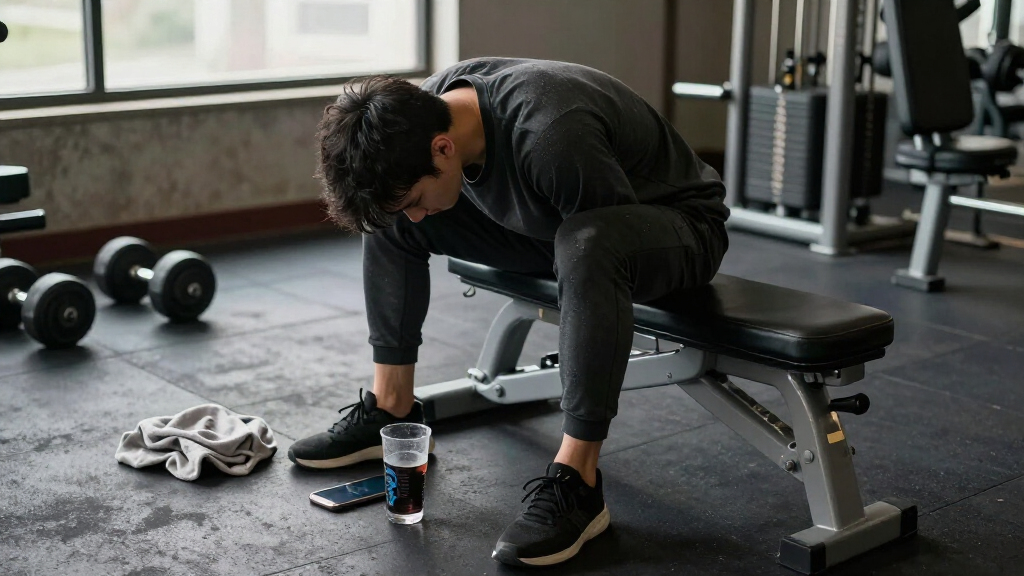
A Tiny Buddha personal essay identifies five habits its author says can make recovery after a stressful day harder: prolonged scrolling, ignoring emotions, treating stress as failure, continuing to push through, and neglecting simple comforts. The piece offers alternatives, but it is personal guidance rather than a research report, and it does not establish that these habits cause specific health outcomes.
Tiny Buddha has published a first-person essay outlining five habits the author believes can make an already stressful day feel harder: scrolling for too long, dismissing emotions, blaming oneself for stress, continuing to push through, and setting aside basic comforts. The writer recommends acknowledging difficult feelings and creating a calmer end to the day, while presenting the advice as personal experience rather than clinical guidance or research findings.
The essay’s first two habits concern distraction and emotional avoidance. The author writes that checking social media for a few minutes can stretch into much longer scrolling, which may leave a person feeling more overwhelmed rather than rested. The suggested alternatives include sitting quietly, making tea, watching the sunset, spending time near water, or taking a bath or shower. The article does not cite studies comparing those activities with phone use.
The author also cautions against repeatedly telling oneself “I’m fine” when that does not reflect how one feels. The essay argues that postponed emotions can return as irritability, anxiety, exhaustion, or numbness. Those statements are the writer’s account and interpretation; the source does not provide clinical evidence that emotional suppression leads to those outcomes in every person.
Three further habits complete the list: treating stress as personal failure, carrying on at full pace after a hard day, and failing to make room for restorative or enjoyable activities. The writer suggests asking what caused the strain, considering whether rest or firmer boundaries are needed, and choosing modest comforts such as food one enjoys, a favorite blanket, or an earlier bedtime. These are presented as practical suggestions, not guaranteed remedies.
Small Choices After a Hard Day
The essay’s main point is that recovery does not have to mean doing more. Its suggestions may help readers notice whether their usual response to stress—such as reaching for a phone or criticizing themselves—is leaving them more drained. The focus on acknowledging feelings and identifying pressure points also shifts attention from self-blame toward what might be changed or eased.
However, the article is a personal essay, not a reported study or a substitute for mental health care. Its five habits are not established here as universal causes of worse stress, and the alternatives will not work the same way for everyone. Persistent or severe distress may call for support beyond everyday routines, including guidance from a qualified professional.
relaxing herbal tea for stress relief
As an affiliate, we earn on qualifying purchases.
As an affiliate, we earn on qualifying purchases.
A Personal Story Behind the Advice
The essay begins with the author’s childhood memories of two different home environments. The writer describes the mother’s home as orderly but restrictive and the grandmother’s as warm, creative, and less focused on rules. The author says that experience taught a lesson about balance and inspiration rather than obligation, which shapes the later advice about making home less demanding after a difficult day.
The supplied material identifies the source as a Tiny Buddha report. The essay’s approach, as presented in the supplied material, is autobiographical: the author draws on family memories and personal habits, including time outdoors and choosing not to scroll. The supplied text does not cite outside experts or research studies.
““You have to endure it. That’s how everyone lives.””
— The author’s mother, as recalled in the essay
bathtub with bath salts and essential oils
As an affiliate, we earn on qualifying purchases.
As an affiliate, we earn on qualifying purchases.
What the Essay Does Not Establish
The supplied article does not state a publication date, and the source material contains no independent reporting or research citations to verify the broader claims about scrolling, emotional suppression, or stress. It is not clear from the essay whether the suggested habits have been evaluated in controlled studies or how broadly the author’s experience applies to other readers.
The essay offers general, personal suggestions about responding to stress. The supplied material does not discuss when readers might seek professional support or set out criteria for doing so.
comfortable weighted blanket for relaxation
As an affiliate, we earn on qualifying purchases.
As an affiliate, we earn on qualifying purchases.
How Readers Can Use the Suggestions
The essay suggests small choices readers can adapt: pause before opening social media, name the difficult feeling, consider what contributed to the day’s pressure, and choose a calming activity that feels accessible. These are options, not prescriptions, and readers can set limits on phone use or adjust routines in ways that suit their circumstances. The supplied source ends mid-sentence while beginning to describe what happened when the author let go of unhelpful habits.
The piece is presented as a personal essay and does not offer a clinical assessment or a timetable for improvement.
As an affiliate, we earn on qualifying purchases.
Key Questions
What are the five habits named in the essay?
The author lists prolonged scrolling, ignoring emotions, treating stress as personal failure, continuing to push through, and neglecting simple comforts. The list reflects the writer’s personal perspective, not a clinical diagnostic tool.
What does the author suggest instead of scrolling?
The essay suggests quiet, low-stimulation activities, such as making tea, watching the sunset, sitting by an open window, spending time near water, or taking a bath or shower.
Does the source prove these habits cause worse mental health?
No. The supplied source is a first-person essay and does not cite studies establishing that the habits cause specific mental health outcomes. Its observations and suggestions should be read as personal guidance.
What does the essay recommend when stress feels overwhelming?
The author suggests acknowledging that the day was hard and asking what contributed to the stress, including whether rest or boundaries may be needed. The essay does not replace professional support for ongoing or severe distress.
Source: rss
Halloween Picks
halloween
As an affiliate, we earn on qualifying purchases.