
TL;DR

Get workout gear delivered free with Prime
- Fast, free delivery on millions of items
- Prime Video, Amazon Music and more included
- Member-only deals all year
Manila authorities have reported an increase in leptospirosis cases. The situation is still being assessed, and response efforts are underway. Details on the outbreak’s scope and response are still emerging.
Manila has reported an increase in leptospirosis cases, according to local health officials. This development highlights ongoing public health concerns in the city, which is affected by flooding and sanitation issues. The situation is still being monitored, and authorities are considering appropriate responses.
The Manila Department of Health has not officially announced an epidemic declaration but has reported a rise in leptospirosis cases over the past month. As of now, there are over 200 confirmed cases, with at least 15 fatalities, according to the department’s latest report. The outbreak has been concentrated in flood-prone areas, where poor drainage and heavy rains have facilitated the bacteria’s spread.
Leptospirosis is a bacterial infection transmitted primarily through contact with water contaminated by the urine of infected animals, especially rodents. Symptoms include high fever, muscle aches, and jaundice, with severe cases leading to organ failure. The disease is preventable through public health measures such as sanitation, rodent control, and public awareness campaigns. The situation is still being assessed, and authorities are working to implement appropriate measures across affected districts.
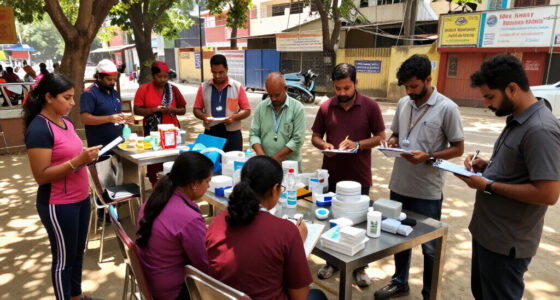
Local officials have called for heightened surveillance, increased medical supplies, and community outreach to inform residents about preventive actions. The city government is also coordinating with national health authorities to monitor the situation and prepare for potential further escalation.
Why the Leptospirosis Situation Matters for Manila
This situation underscores ongoing public health concerns in Manila related to flooding and sanitation. It highlights the importance of continued efforts to prevent disease transmission and protect vulnerable communities. The situation may influence policy decisions, resource allocation, and public health strategies aimed at controlling leptospirosis and preventing future outbreaks.
As an affiliate, we earn on qualifying purchases.
Background on Leptospirosis and Recent Trends in Manila
Leptospirosis is a bacterial disease that has historically been endemic in tropical urban areas with poor sanitation and frequent flooding. Manila has experienced recurrent outbreaks during heavy rainy seasons, often linked to inadequate drainage systems and high rodent populations. In recent years, the city has seen fluctuating case numbers, but the current situation has raised concerns among health officials. The outbreak is still being investigated, and authorities are monitoring the situation closely.
Public health authorities have previously issued advisories during rainy seasons, but the recent increase in cases has prompted additional attention. The outbreak comes amid ongoing concerns about urban infrastructure and climate-related flooding, which continue to pose health risks in densely populated districts.
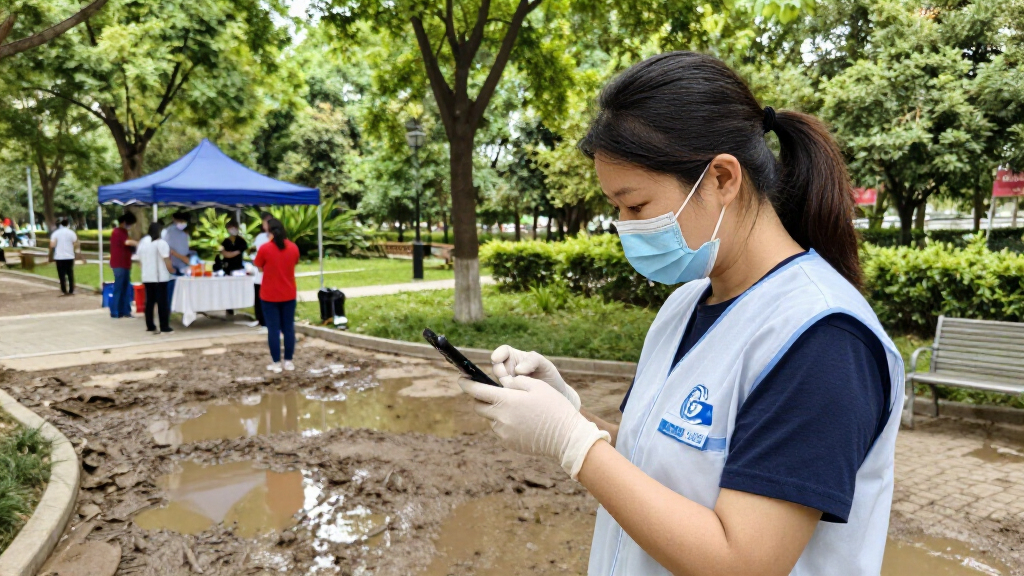
While the exact source of the current increase remains under investigation, authorities suspect that recent heavy rains and flooding have contributed to the spread of leptospira bacteria in contaminated water sources.
As an affiliate, we earn on qualifying purchases.
Unresolved Questions About the Outbreak’s Scope
It is not yet clear how widespread the increase in cases will become or whether additional districts will be affected. The full extent of the cases, including unreported or undiagnosed infections, remains uncertain. Details about the source of the situation and the effectiveness of current measures are still being assessed, and ongoing investigations are expected to clarify these issues in the coming days.
As an affiliate, we earn on qualifying purchases.
Next Steps for Outbreak Management and Monitoring
Health authorities plan to increase surveillance, distribute informational materials, and conduct cleanup campaigns targeting rodent populations. The city will likely expand testing and treatment facilities to handle potential case surges. Officials also anticipate ongoing coordination with national agencies to secure additional resources and support. Monitoring the progression of cases over the coming weeks will be crucial to assess the situation’s development and adjust response strategies accordingly.
As an affiliate, we earn on qualifying purchases.
Key Questions
What is leptospirosis?
Leptospirosis is a bacterial infection transmitted through contact with contaminated water, often after flooding. It can cause fever, muscle aches, jaundice, and in severe cases, organ failure.
Why did Manila report an increase in leptospirosis cases?
Officials have observed an increase in leptospirosis cases over the past month, but the full scope of the situation is still being assessed.
What measures are being taken to control the situation?
Authorities are increasing surveillance, promoting sanitation and rodent control, distributing health advisories, and mobilizing additional medical resources to treat affected residents.
Is the increase in cases linked to recent weather events?
Officials suspect that recent heavy rains and flooding may have contributed to the spread of leptospira bacteria, especially in flood-prone districts.
What should residents do to protect themselves?
Residents are advised to avoid contact with floodwaters, wear protective clothing, maintain good hygiene, and seek medical attention if symptoms develop.
Source: local
Halloween Picks
halloween
As an affiliate, we earn on qualifying purchases.