
TL;DR

Get workout gear delivered free with Prime
- Fast, free delivery on millions of items
- Prime Video, Amazon Music and more included
- Member-only deals all year
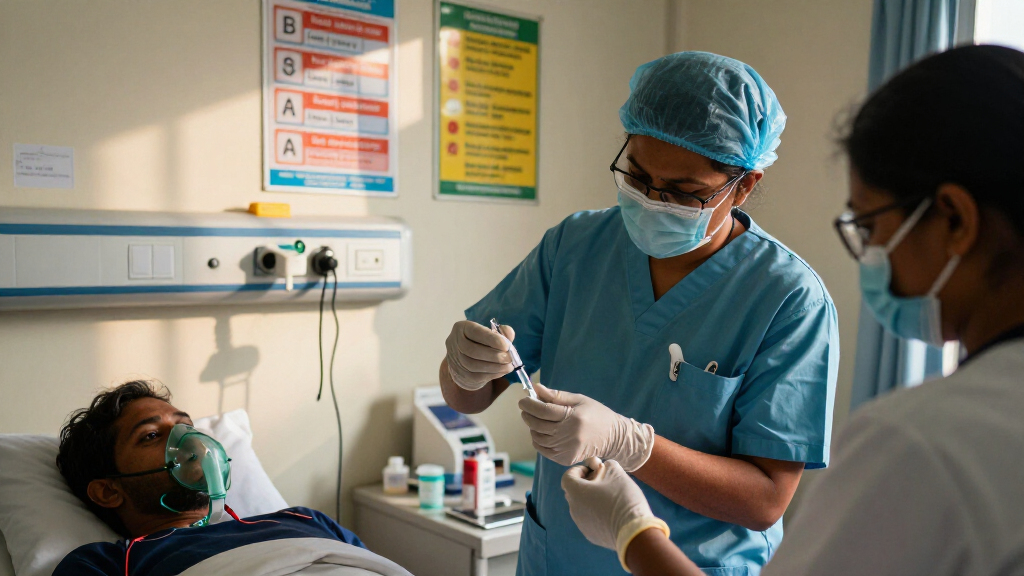
Hospitals in Chennai are experiencing a notable increase in patients suffering from flu, respiratory infections, and dengue. The surge has reportedly strained healthcare facilities, raising concerns about healthcare preparedness and disease management.
Hospitals across Chennai are currently overwhelmed due to a surge in cases of flu, respiratory infections, and dengue, with healthcare facilities reporting a sharp increase in patient admissions over the past few weeks. This surge has strained hospital resources and raised concerns among health officials about the capacity to manage the rising disease burden, especially during the ongoing seasonal transition.
According to multiple hospital sources and health officials, the number of patients admitted for respiratory illnesses and dengue has increased by approximately 30-40% compared to the same period last year. Several hospitals have reported occupancy rates exceeding 90% in pediatric and general wards, with some clinics turning away walk-in patients due to lack of beds and staff shortages.
Health authorities attribute the surge to seasonal factors, with the monsoon season creating favorable conditions for mosquito breeding and viral transmission. The Tamil Nadu Health Department has issued advisories urging residents to take precautions, including mosquito control measures and early medical consultation for flu-like symptoms.
Doctors are observing a rise in severe cases, including dengue hemorrhagic fever and pneumonia, particularly among children and immunocompromised individuals. Hospitals have also reported shortages of certain medicines and oxygen supplies, prompting calls for increased resource allocation from state authorities.
Implications for Chennai’s Healthcare System
This surge highlights the ongoing vulnerability of Chennai’s healthcare infrastructure to seasonal infectious diseases. Overburdened hospitals may face challenges in providing timely care, potentially leading to increased morbidity and mortality. The situation underscores the need for proactive disease management, public awareness campaigns, and resource preparedness to prevent health crises during peak seasons.As an affiliate, we earn on qualifying purchases.
Seasonal Trends and Past Disease Surges in Chennai
Chennai has historically experienced spikes in respiratory illnesses and dengue during the monsoon and post-monsoon periods. Previous years have shown similar surges, often coinciding with heavy rains that promote mosquito breeding and viral spread. Despite ongoing public health campaigns, the recurrence of such outbreaks indicates persistent challenges in controlling vector-borne diseases and managing seasonal respiratory infections.
In recent years, the city has seen fluctuating case numbers, but the current surge appears more severe, prompting renewed concern among health officials and the public. Experts suggest that climate variability, urban density, and gaps in vector control efforts may be contributing factors.
digital thermometer for adults and children
As an affiliate, we earn on qualifying purchases.
As an affiliate, we earn on qualifying purchases.
Unconfirmed Factors and Ongoing Investigations
It is not yet clear whether the current surge is solely attributable to seasonal factors or if other elements, such as new viral strains or lapses in vector control, are contributing. The full extent of resource shortages and the potential for further escalation remain under assessment by health authorities.
As an affiliate, we earn on qualifying purchases.
Monitoring and Response Strategies Moving Forward
Health officials have not publicly detailed specific plans but are expected to continue monitoring the situation and consider measures to address the surge. Public advisories and resource allocations are likely to be reviewed as part of ongoing efforts.
face masks for respiratory protection
As an affiliate, we earn on qualifying purchases.
As an affiliate, we earn on qualifying purchases.
Key Questions
What are the main diseases causing the surge in Chennai hospitals?
The primary causes are an increase in flu, respiratory infections, and dengue, which have led to higher patient admissions and hospital occupancy rates.
Why are hospitals overwhelmed now?
The surge coincides with seasonal monsoon conditions that may facilitate disease transmission, combined with existing resource constraints and increased patient inflow.
What precautions can residents take?
Residents are advised to use mosquito repellents, eliminate standing water, and seek early medical attention if symptoms of flu or dengue appear.
Are there shortages of medicines or supplies?
Some hospitals have reported shortages of oxygen and certain medicines, prompting authorities to increase resource allocation.
Will the situation improve soon?
Authorities have not provided specific timelines but are expected to continue monitoring the situation and implement measures as needed.
Source: local
Halloween Picks
halloween
As an affiliate, we earn on qualifying purchases.