TL;DR

Get workout gear delivered free — and shop member deals
- Fast, free delivery on millions of items
- Access to Prime Big Deal Days deals on October 6–7
- Prime Video, Amazon Music and more included
While distance measures how far you go, cadence reveals how well you run. Tracking your steps per minute helps improve efficiency, reduce injury risk, and refine your technique. Both metrics matter, but cadence provides the real insights for sustainable progress.
Ever finish a run and wonder if you could have done it faster or with less pain? You might be focusing too much on distance and pace. But there’s a quieter, more telling metric slipping under your radar: cadence.
Tracking how many steps you take per minute unlocks a treasure trove of insights about your running efficiency, injury prevention, and overall technique. In this guide, you’ll learn why cadence matters more than you think and how to start paying attention to it today.
Tracking cadence reveals how efficiently you run and can prevent injuries caused by overstriding.
A slight increase in cadence (about 5%) can significantly reduce impact forces and improve running economy.
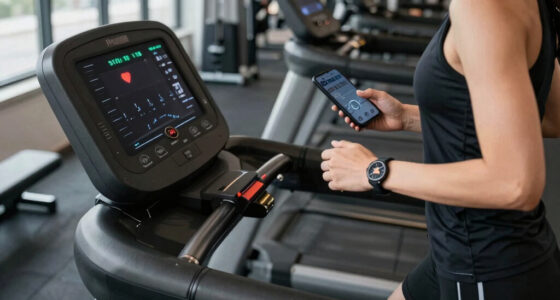
Use wearables or apps to measure your cadence and experiment gradually for best results.
Distance shows your workout volume, but cadence shows your running quality and technique.
Find a cadence that feels natural and sustainable—don’t chase numbers blindly.
Why You Should Track Cadence, Not Just Distance
Distance measures how far you go. Cadence—your steps per minute—reveals how well you move. Tracking both turns a basic training log into a practical view of efficiency, technique, comfort, and sustainable progress.
A gradual cadence increase can reduce impact forces and encourage a lighter landing.
Steps per minute vary with height, speed, terrain, limb length, and running style.
Distance records workload; cadence exposes how that workload is being performed.
A window into the quality of every stride
Two runners can cover the same five miles while experiencing very different braking forces, joint loads, and energy costs. Cadence helps explain the difference.
Spot overstriding
A low cadence may accompany a long stride that lands too far ahead of the body, creating extra braking and impact.
Reduce wasted motion
Quicker, lighter steps can reduce vertical oscillation and ground-contact time, helping movement feel smoother.
Manage repeated load
A modest cadence adjustment may distribute load more evenly and ease stress on knees, shins, and other vulnerable areas.
Track quantity and movement quality
Neither metric is complete alone. Distance organizes training volume; cadence provides a form-related signal you can act on during a run.
| Question | Distance | Cadence | Best interpretation |
|---|---|---|---|
| What does it measure? | ✓Training volume | ✓Steps per minute | Use both to connect workload with movement pattern. |
| Does it reveal technique? | ✕Not directly | ~Provides a useful signal | Pair cadence with stride length, effort, and comfort. |
| Can it expose overstriding? | ✕Usually hidden | ✓Can flag a low-turnover pattern | Confirm by observing where the foot lands. |
| Is a higher number always better? | ✕More can mean overload | ✕More can feel forced | Progress must remain natural and sustainable. |
| Primary training value | ✓Plan weekly workload | ✓Refine rhythm and mechanics | Distance tells you how much; cadence adds how. |
Key insight: A higher cadence is useful only when it supports relaxed mechanics. Rapid turnover paired with poor posture, tension, or excessive effort can be counterproductive.
Find your cadence without forcing the number
Establish a baseline, test one modest change, and judge the result by comfort and consistency—not by a universal target.
Measure
Record cadence on several normal runs using a watch, phone, or foot pod. Include easy and steady efforts.
Goal: a reliable personal baselineAdjust
Increase your baseline by roughly 5%. Keep speed controlled and focus on quick, quiet steps beneath the hips.
160 SPM × 1.05 = 168 SPMReassess
Repeat over several runs. Keep the change only if it feels smooth and produces no new discomfort or excessive fatigue.
Goal: sustainable adaptationYour target is a range, not a command
Natural cadence generally rises with speed. Compare similar routes and effort levels so that the pattern—not a single isolated number—guides your decisions.
Illustrative cadence progression
A gradual change preserves coordination while the body adapts to a quicker rhythm.
The cadence spectrum
Typical values are reference points, not pass-or-fail thresholds.
Choose the least distracting tool
The best device is the one you will use consistently. Real-time data is useful, but post-run trends can be enough for thoughtful adjustment.
GPS watches
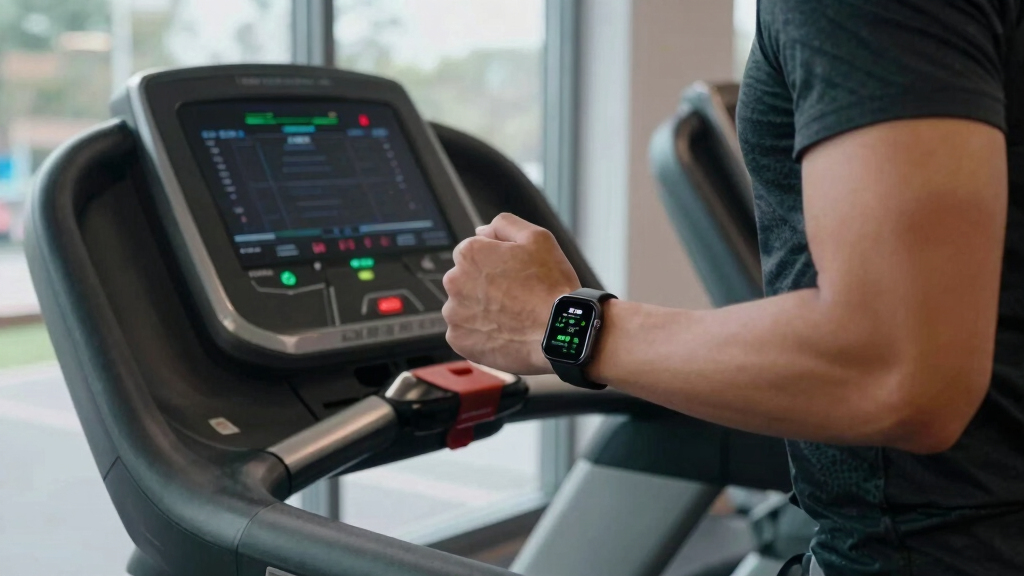
Garmin, Suunto, Apple Watch, and similar devices can display cadence during a run.
Running apps
Platforms such as Strava, Runkeeper, and Nike Run Club may estimate or record cadence.
Foot pods
Shoe-mounted sensors and smart insoles can provide responsive stride and cadence feedback.
Metronomes
A timer or metronome app offers a steady beat for short cadence drills without extra analysis.
Higher is not automatically better
Height, leg length, terrain, speed, mobility, fatigue, and running history all shape an efficient personal rhythm.
Distance tells you where you have been. Cadence shows how you moved to get there.
The practical takeawayStay relaxed
A useful cadence feels light and controlled, not frantic or mechanically forced.
Change gradually
Small experiments allow muscles, tendons, and coordination patterns time to adapt.
Follow your response
Comfort, effort, and recovery matter more than matching an elite runner’s number.
How one small rhythm change can travel through your run
Cadence is valuable because it connects a measurable input with observable changes in mechanics, load, and running experience.
Measure SPM
Establish the rhythm you use naturally.
Shorten reach
Encourage the foot to land nearer the hips.
Reduce braking
Limit excessive forward landing forces.
Manage impact
Distribute repeated loading more smoothly.
Run sustainably
Build efficient form that holds over distance.
Keep logging distance—but add cadence when you want to understand efficiency, refine technique, and make progress that your body can sustain.
What is cadence—and why does it matter more than distance?
Cadence is simply your steps per minute (SPM) when you run. For cyclists, it’s pedal revolutions per minute. It’s a direct window into your running form and efficiency.
Focusing on cadence helps you avoid overstriding, which often causes injuries like shin splints and knee pain. Overstriding occurs when your foot lands too far in front of your body, increasing impact forces and stress on joints. By maintaining an optimal cadence, you promote a quicker, lighter stride that minimizes these risks.
Distance tells you where you’ve been, but cadence shows how well you’re moving. Two runners might cover 5 miles, but one could be risking injury while the other glides along efficiently. That’s the power of tracking cadence. It guides you to refine your mechanics, reduce injury risk, and run more sustainably.
As an affiliate, we earn on qualifying purchases.
How tracking cadence improves your running in real life
Imagine you’re training for a 10K. You notice your distance is increasing, but your knees start aching after every run. When you check your cadence, you find it’s hovering around 140 SPM—significantly below the recommended 170–180. This low cadence often indicates overstriding, which places excessive impact on your knees and shins, leading to pain and fatigue.
By consciously increasing your cadence by 5%, you encourage a landing pattern where your feet strike closer to beneath your hips. This adjustment reduces impact forces, distributes load more evenly, and decreases strain on vulnerable joints. Over time, your knees feel less sore, and your runs feel smoother. This demonstrates how small changes in cadence can have a profound impact on injury prevention and running comfort.
Another example: a marathoner who’s plateaued in pace might find that increasing cadence slightly helps them conserve energy. A higher cadence reduces the horizontal braking forces, making each stride more efficient and less taxing over long distances. It also helps prevent overuse injuries by promoting a more natural, relaxed running style.
As an affiliate, we earn on qualifying purchases.
Compare distance and cadence: What matters most?
| Metric | What It Tells You | Limitations |
|---|---|---|
| Distance | How far you’ve traveled, volume of exercise | Doesn’t reveal how efficiently you’re running or injury risk; it can be misleading if your pace varies or if you overstride, leading to more fatigue or injuries despite covering the same distance. |
| Cadence | How well you’re running, potential injury risks, and technique | Needs to be paired with other metrics like stride length and effort; a high cadence with poor form or excessive turnover can be counterproductive. |
While distance is easy to measure and motivates some, cadence provides actionable insights. It’s about quality, not just quantity. A higher cadence with proper form indicates a more efficient, injury-resistant running style, whereas focusing solely on distance might mask overuse or biomechanical issues that could lead to injury over time.
As an affiliate, we earn on qualifying purchases.
3 quick steps to find and improve your ideal cadence
- Measure your current cadence using a smartwatch, phone app, or foot pod during a typical run. Recording multiple sessions helps establish a reliable baseline.
- Identify your baseline cadence. Most runners fall between 150–170 SPM, but this can vary based on height, limb length, and running style. Understanding your starting point allows you to tailor your improvements effectively. Recognizing your current cadence also helps you understand your natural rhythm and how your body responds to different speeds and terrains.
- Gradually increase your cadence by about 5%, experimenting with small changes over several runs until it feels natural. This incremental approach helps your body adapt without risking discomfort or injury. For example, if you’re at 160 SPM, aim for around 168 SPM, focusing on quick, light steps rather than overstriding or forcing the pace.
Remember, the goal is consistent, sustainable improvement—no sudden jumps or discomfort. Over time, this slight increase in cadence can lead to better biomechanics, reduced impact forces, and a more efficient running economy.
As an affiliate, we earn on qualifying purchases.
Tools to help you track and tweak your cadence
- GPS watches from brands like Garmin or Suunto often include cadence metrics, making it easy to monitor your steps per minute during runs.
- Smartphone apps such as Strava, Runkeeper, or Nike Run Club can track cadence with built-in sensors or by analyzing your stride pattern.
- Smart insoles or foot pods provide real-time feedback, allowing you to adjust your stride on the fly and develop a more efficient gait.
- Basic timers or metronome apps can serve as cues to help you maintain or increase your cadence during runs, especially if you prefer a simple, distraction-free approach.
Pick what fits your style and budget. Many runners find that wearable devices provide seamless, real-time data that makes cadence adjustments more intuitive and effective. Consistent use of these tools helps internalize optimal cadence patterns, leading to better running form and reduced injury risk over time.
Why a higher cadence isn’t always better — find what works for you
Yes, most runners benefit from a slightly higher cadence, but it’s not a one-size-fits-all solution. Your body, height, limb length, and running style all influence the ideal cadence for you. For instance, taller runners with longer legs naturally have a lower cadence but can still run efficiently if their stride length and biomechanics are optimized.
Forcing a cadence that feels unnatural or uncomfortable can lead to new issues, such as muscle fatigue or joint pain, because your body isn’t adapted to that rhythm. The key is to find a cadence that promotes a smooth, light stride—one that reduces impact and feels sustainable over long distances. Use it as a flexible guide rather than a strict rule, adjusting based on how your body responds during different runs and terrains.
Ultimately, the best cadence is one that aligns with your biomechanics, feels natural, and minimizes injury risk. Regularly reassessing and tuning your cadence ensures you maintain optimal efficiency and comfort, rather than chasing a number that might not suit your unique physiology.
Frequently Asked Questions
Why is cadence more important than pace or distance?
Because cadence directly influences your running mechanics, injury risk, and efficiency. While pace and distance matter for performance, cadence helps you run smarter and safer. A higher or more consistent cadence promotes better foot strikes, reduces overstriding, and minimizes impact forces, which are key factors in preventing injuries and improving overall running economy.
How do I find my ideal cadence?
Use a wearable device or app to measure your current cadence. Then, try increasing it by about 5% over several runs. Pay attention to how your body responds—if you feel smoother and less fatigued, you’re on the right track. Finding your ideal cadence involves balancing efficiency with comfort, so listen to your body and adjust gradually to avoid overexertion or discomfort. Remember, the goal is to develop a rhythm that feels natural and sustainable for your unique physiology, not to hit a specific number at all costs.
Can I just focus on increasing my cadence?
It’s best to increase gradually to avoid discomfort or injury. Rapid changes can throw off your biomechanics, leading to muscle strain or joint pain. Combining cadence work with attention to proper form, stride length, and effort is crucial. The aim is to cultivate a rhythm that promotes efficiency and comfort, rather than chasing a number. This approach ensures your improvements are sustainable and reduce the risk of overuse injuries, emphasizing quality over speed of change.
What tools can help me track cadence?
Smartwatches, fitness trackers, smartphone apps, or foot pods all provide real-time cadence data, making adjustments easier and more accurate. These tools help you monitor your progress, set targets, and develop muscle memory for an efficient stride. Regularly tracking your cadence allows you to identify patterns, make informed adjustments, and improve your running mechanics over time—leading to better performance and fewer injuries.
Is a higher cadence always better?
No, it varies per person. The ideal cadence depends on your individual biomechanics, running style, and comfort. For some, a slightly lower cadence with a longer stride can be more efficient, especially if it aligns with their natural movement. The key is to find a rhythm that feels smooth, reduces impact, and is sustainable over long distances. Chasing a number blindly can lead to discomfort or injury. Focus on what feels natural and effective for your body, and reassess periodically to ensure ongoing improvement tailored to your physiology.
Conclusion
Focusing on cadence transforms how you understand your running. It’s a simple, measurable step toward better technique, fewer injuries, and more enjoyable miles.
Next time you hit the pavement, pay attention to your steps per minute. Your body will thank you, and your runs will become more efficient and pain-free.
Fall Picks
fall essentials
As an affiliate, we earn on qualifying purchases.