
TL;DR

Get workout gear delivered free with Prime
- Fast, free delivery on millions of items
- Prime Video, Amazon Music and more included
- Member-only deals all year
Shin splints are common when you start running, but they’re preventable. Gradually build mileage, wear proper shoes, and listen to your body to keep your shins happy and healthy.
Imagine lacing up for your first run, feeling excited, then suddenly hit with a sharp ache in your shins. It’s a familiar scene for many new runners. Shin splints aren’t just painful—they can sideline your progress for weeks.
Luckily, a few simple steps can keep your shins in good shape. Whether you’re aiming for a 5K or just want to enjoy a brisk walk turned jog, understanding what causes shin splints and how to prevent them makes a real difference. Let’s explore proven strategies that help you run smarter from day one.
Increase your weekly running volume by no more than 10% to prevent overload.
Choose running shoes with proper support and replace them regularly.
Run on softer surfaces whenever possible to reduce impact stress.
Incorporate strength training for your lower legs to build resilience.
Listen to your body and rest when warning signs appear.
Why Your Shins Are Saying ‘Enough’ — What Causes Shin Splints?
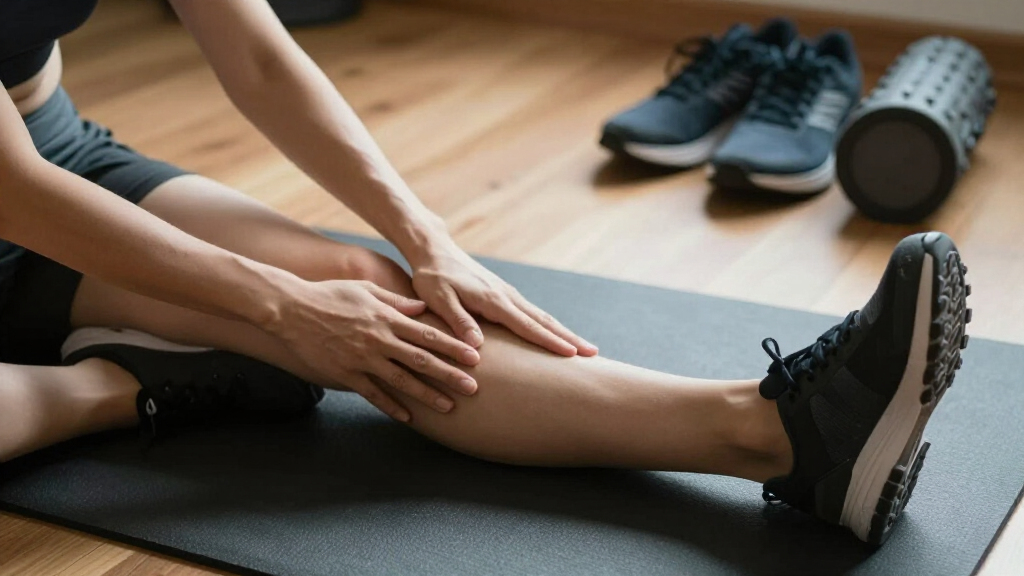
Shin splints happen when the muscles, tendons, and bone tissue in your lower leg become irritated from overuse. The pain is usually felt along the inner edge of your shin bone, especially after a run.
Common culprits? Sudden increases in mileage, worn-out shoes, or running on hard surfaces like concrete or packed dirt. Your body is telling you to slow down or adjust your approach.
For example, Sarah started running every day to prepare for a charity race. She suddenly doubled her weekly mileage in a week, and the next day, her shins throbbed. That’s a classic shin splint warning sign.
Understanding these causes is crucial because they highlight the importance of gradual progression and proper footwear. Ignoring these signals can lead to stress fractures or chronic pain, which are far more difficult to heal. Recognizing the early symptoms and adjusting your training accordingly can save you weeks of setbacks and keep your running journey enjoyable and sustainable.
As an affiliate, we earn on qualifying purchases.
How to Prevent Shin Splints in 5 Easy Steps
- Gradually ramp up your mileage. Increasing your weekly distance by no more than 10% allows your muscles, tendons, and bones to adapt gradually to increased stress. This slow progression reduces the risk of overloading tissues that are not yet conditioned, which is often the root cause of shin splints. The tradeoff here is that progress might feel slower, but it’s a safer and more sustainable approach for long-term running health.
- Wear supportive shoes. Proper footwear with good arch support and shock absorption acts as a buffer against the impact forces that travel up your legs. Shoes that fit well and are suited to your foot type can correct biomechanical imbalances, reducing strain on the shins. Regularly replacing shoes—every 300-500 miles—ensures that the cushioning and support remain effective. Wearing worn-out shoes can increase impact stress, leading to irritation and injury, so this tradeoff emphasizes proactive maintenance over cost savings.
- Run on softer surfaces. Trails, grass, or tracks tend to absorb more impact than concrete or asphalt. Softer surfaces reduce the shock transmitted to your shins, decreasing inflammation and irritation. However, softer terrains may increase the risk of ankle instability or uneven footing, so balancing surface choice with proper footwear and attention to form is key. The tradeoff involves choosing terrain that minimizes impact but still provides stability and safety.
- Mix in strength training. Exercises like calf raises, toe taps, and lower-leg stretches strengthen muscles and tendons that support your shins. Building resilience through strength training helps your body better handle the stresses of running. It also improves muscular balance, which can correct biomechanical issues contributing to shin pain. The tradeoff is dedicating time outside of running to strength work, but the payoff is a more durable and injury-resistant lower leg.
- Listen to your body. Paying attention to early signs of discomfort allows you to modify your activity before injury develops. Rest, ice, and gentle stretching can reduce inflammation and promote healing. Ignoring warning signs often leads to more serious injuries that require longer recovery. The tradeoff is that you might need to adjust your schedule temporarily, but this proactive approach saves time and prevents setbacks in the long run.
As an affiliate, we earn on qualifying purchases.
Compare Your Shoe Options — What Keeps Your Shins Happy?
| Shoe Type | Best For | Pros | Cons |
|---|---|---|---|
| Stability shoes | Overpronators, flat arches | Control excessive inward roll, support arch | Can be heavy, less flexible |
| Cushioning shoes | Neutral runners, high arches | Absorb shock, softer ride | Less support for overpronation |
lower leg strength training equipment
As an affiliate, we earn on qualifying purchases.
As an affiliate, we earn on qualifying purchases.
What’s the Real Deal With Rest Days? How They Protect Your Shins
Rest days are your secret weapon against shin splints. Running every day without giving your muscles time to recover increases strain and inflammation.
For example, if you’re training for a 10K, plan at least one full rest day weekly. Use that time for gentle stretching or walking. It’s like giving your shins a breather, so they’re ready for the next run.
Research indicates that consistent rest reduces injury risk by allowing tissues to repair and adapt. Skipping rest can lead to accumulated fatigue, which compromises form and increases the likelihood of overuse injuries. Incorporating regular rest days ensures your tissues have time to recover, which is essential for avoiding chronic inflammation and stress reactions that cause shin splints. The tradeoff is a slight pause in your weekly mileage, but this pause enhances overall durability and progress.
running surface mats for softer terrain
As an affiliate, we earn on qualifying purchases.
As an affiliate, we earn on qualifying purchases.
The 3 Biggest Mistakes Beginners Make That Cause Shin Pain
- Jumping into high mileage too fast. Going from zero to hero in a week overloads your shins and other tissues, increasing injury risk. This rapid escalation doesn’t give your body time to adapt, leading to inflammation and pain. The tradeoff is slower initial progress, but it promotes healthier, injury-free running in the long run.
- Ignoring early warning signs. Small aches or tightness are signals from your body. Pushing through can exacerbate minor issues into serious injuries like stress fractures. Recognizing these signs early allows you to rest and recover, preventing long-term setbacks. The tradeoff involves adjusting your schedule temporarily, but it safeguards your long-term ability to run pain-free.
- Wearing worn-out shoes. Old shoes lose their shock absorption and support, which means your legs absorb more impact during each stride. This increased impact can irritate the shins and other lower leg structures. Regularly replacing shoes is a simple yet effective way to maintain proper support and prevent injury. The tradeoff is an ongoing expense, but it’s a small price for injury prevention and consistent training.
Frequently Asked Questions
How long does it take to recover from shin splints?
Recovery time varies, but most people see improvement within 2 to 4 weeks with rest, ice, and proper care. Avoid rushing back into high mileage too soon to prevent recurrence.Can stretching help prevent shin splints?
Yes, gentle stretching of calves and shins can improve flexibility and reduce tension. Combining stretching with strength exercises enhances muscle resilience, helping to distribute forces more evenly and reduce the likelihood of irritation in the lower leg tissues.Are there specific shoes recommended for preventing shin splints?
Shoes with good shock absorption and arch support help reduce impact forces on your shins. Visiting a specialty running store for a gait analysis can help find the best fit, but remember that proper fit and wear are equally important in preventing injury.Is running on a treadmill safer for my shins than outdoor running?
Treadmills provide a softer surface and a controlled environment, which can be gentler on your shins. However, surface choice isn’t the only factor—gradual build-up, proper footwear, and good running form are essential for injury prevention regardless of terrain.Conclusion
Your shins are your running partners, not enemies. By respecting their limits—gradually increasing mileage, choosing the right shoes, and giving yourself time to recover—you can avoid shin splints and keep moving forward.
Imagine feeling that satisfying, pain-free stride after a good run. That’s what smart prep and patience bring. So lace up, listen to your body, and enjoy the miles ahead—shin splint-free.
Halloween Picks
halloween
As an affiliate, we earn on qualifying purchases.