TL;DR
Listen free for 30 days with Audible
Thousands of audiobooks and originals — cancel anytime.
Start your free trialAs an affiliate, we earn on qualifying purchases.
The push-pull-legs split divides workouts into three categories—push (chest, shoulders, triceps), pull (back, biceps), and legs. It allows frequent training with proper recovery, making it popular among lifters of all levels. Recent trends emphasize accessory work and recovery for better results.
Want a workout routine that balances effective muscle growth with enough recovery to avoid burnout? The push-pull-legs split might be exactly what you need. It’s straightforward, flexible, and backed by both tradition and science.
In this guide, you’ll learn what the push-pull-legs split is, why it works, and how you can tailor it to fit your schedule and goals. No jargon, just clear, practical advice—like chatting with a knowledgeable friend who’s been there.
The push-pull-legs split organizes training into three categories, making workouts manageable and balanced.
Performing each muscle group 2-3 times weekly boosts muscle growth without risking overtraining.
It’s flexible: you can do it 3 days a week or 6, adjusting volume and rest to fit your schedule.
Adding accessory exercises and recovery work improves results and reduces injury risk.
The split works for beginners and advanced lifters alike—just tailor volume and intensity.
What Exactly Is the Push-Pull-Legs Split?
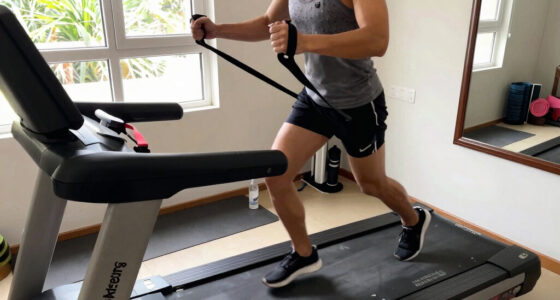
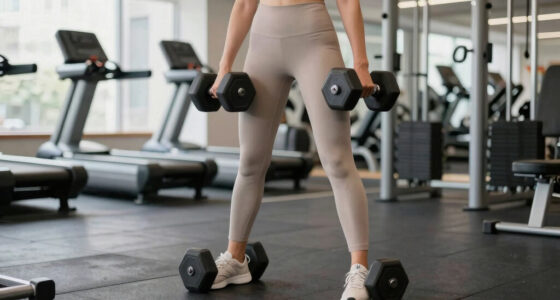
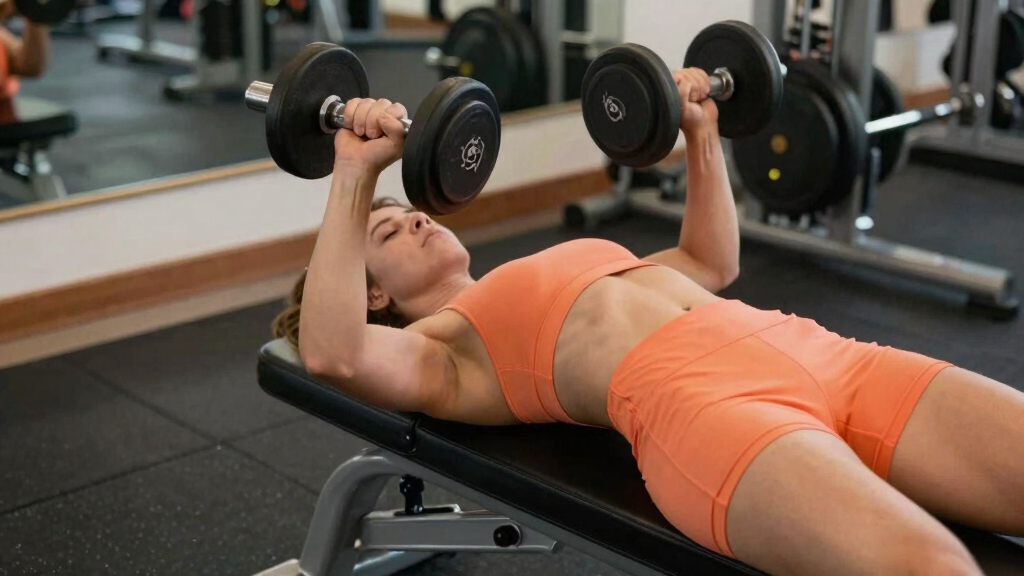
At its core, the push-pull-legs (PPL) split organizes your workouts into three categories: push, pull, and legs. Push days target muscles involved in pushing motions—think chest, shoulders, and triceps. Pull days focus on pulling motions—back and biceps. Leg days cover everything lower body, from squats to lunges.
Imagine you hit the gym three times a week. Monday is push, Wednesday pull, Friday legs. Repeat or add extra days as you like. This setup ensures each muscle gets worked hard but also gets enough rest—usually 48 hours or more—before hitting it again.
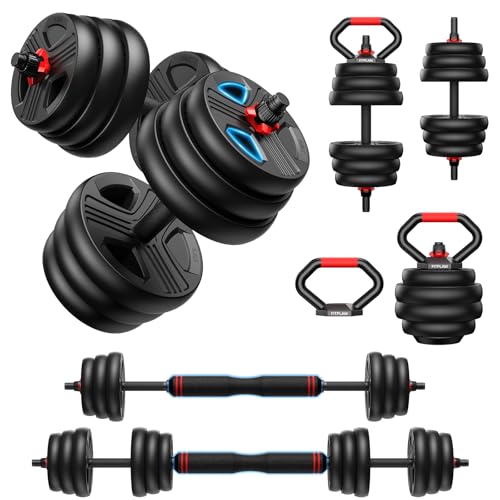
FDS1 Adjustable dumbbell set, 45lbs Free Weights set with upgraded nut, 5 in 1 Weight Set Used as Kettlebells, Barbell, Push up Stand, Fitness Exercise for Home Gym Suitable Men/Women
- Multifunctional 5-in-1 Design: Transforms into dumbbells, kettlebells, barbells, and more
- Dual-Lock Nut System: Red and black locks prevent weight shifting
- Adjustable Weight Options: Customize weights from light to heavy
As an affiliate, we earn on qualifying purchases.
As an affiliate, we earn on qualifying purchases.
How the Push-Pull-Legs Routine Fits Your Life and Goals
The beauty of the PPL split is its flexibility. You can do it 3 times a week if you’re busy, or push it to 6 days by repeating the cycle. For beginners, 3 days with lower volume helps master form. For seasoned lifters, 5-6 days boosts hypertrophy and strength.
For example, someone training 4 days might do push, pull, rest, legs, rest, then repeat. This gives every muscle at least 48 hours to recover, reducing injury risk and fatigue. Plus, it’s easy to adapt—add accessories, change exercises, or tweak volume.
resistance bands for muscle building
As an affiliate, we earn on qualifying purchases.
As an affiliate, we earn on qualifying purchases.
Recent Trends Making Push-Pull-Legs Even Better
Today, lifters are mixing things up with hybrid routines that combine PPL with other splits, like upper/lower. They also include more accessory work—think face pulls, tricep extensions—to target weak spots. Recovery and mobility exercises are gaining importance too, helping prevent injuries.
Recent research supports training muscles more frequently—2-3 times weekly—when volume and recovery are balanced. This means you can push your muscles harder without risking burnout, especially if you listen to your body.
weightlifting accessories for push pull legs routine
As an affiliate, we earn on qualifying purchases.
As an affiliate, we earn on qualifying purchases.
Why the Push-Pull-Legs Split Works So Well
The PPL split hits all the right notes: efficiency, balance, and progress. It allows you to target each muscle group with enough intensity for growth while preventing overtraining, which can lead to injury or burnout. By focusing on specific muscle groups each session, you can tailor your workload—adding more volume or intensity where needed—without overtaxing your entire body at once.
This approach also enhances consistency, as you can easily track progress and make incremental improvements. The structured nature of PPL helps you prioritize recovery, which is crucial for muscle repair and growth. Moreover, the flexibility to adjust volume and intensity means you can customize the split to match your evolving goals and fitness level.

TriggerPoint Grid 1.0 Foam Roller – 13" Multi-Density Massage Roller for Deep Tissue & Muscle Recovery – Relieves Tight, Sore Muscles & Kinks, Improves Mobility & Circulation – Targets Key Body Parts
- Enhances Muscle Recovery: Promotes tissue aeration and blood flow
- Comfortable Foam Construction: Distrodensity Zones for sore and soft tissues
- Customizable Massage Feel: Varying ridges and nodules for targeted relief
As an affiliate, we earn on qualifying purchases.
As an affiliate, we earn on qualifying purchases.
Common Questions About Push-Pull-Legs (And Clear Answers!)
- Is the PPL split good for beginners? Absolutely. Starting with lower volume and focusing on proper form allows beginners to learn foundational movements safely. It also helps develop consistency and a good understanding of training principles, which are essential for long-term progress.
- How often should I do PPL? Typically 3 to 6 days weekly, depending on recovery capacity and goals. Beginners often start with 3 days to master form and build habit, while advanced lifters may do 5-6 days to maximize hypertrophy. Listening to your body’s signals for fatigue and recovery is key to adjusting frequency.
- Can I mix PPL with other routines? Yes. Combining PPL with upper/lower splits or full-body workouts can add variety and target different training stimuli, which can prevent plateaus and keep motivation high. Just ensure you’re not overloading yourself with too many sessions or excessive volume.
- How do I avoid overtraining? Rest days are vital—schedule at least one or two full rest days per week. Proper nutrition supports recovery, and paying attention to signs of fatigue or soreness helps you adjust intensity or volume accordingly. Incorporating planned deload weeks every few months can also help reset your progress and prevent burnout.
- What exercises are best? Focus on compound lifts like bench press, squats, deadlifts, and pull-ups because they recruit multiple muscles and promote efficient strength gains. Supplement with accessory work targeting weak points or lagging muscles. Prioritize proper technique to maximize benefits and minimize injury risk.
Frequently Asked Questions
Is the push-pull-legs split suitable for beginners?
Yes, beginners can benefit from PPL by starting with lower volume and focusing on proper form. It’s a straightforward way to learn foundational lifts and build consistency.How many days per week should I do the PPL split?
Most people find 3 to 6 days works well. For beginners, 3 days is enough; advanced lifters often do 5 or 6 days for maximum hypertrophy, always listening to recovery signals.Can I combine PPL with other routines?
Absolutely. Many lifters mix PPL with upper/lower or full-body routines to add variety or target specific goals. Just ensure you’re not overloading yourself.How do I prevent overtraining with PPL?
Prioritize rest days, eat enough to fuel recovery, and pay close attention to fatigue. Incorporate deload weeks every few months if you feel overly tired.What exercises should I include?
Start with compound movements like bench press, squats, deadlifts, and pull-ups. Add accessory work for weak spots, but focus on proper technique first.Conclusion
The push-pull-legs split is a simple, proven way to structure your workouts for steady progress. It balances workload, recovery, and variety—making it ideal whether you’re just starting out or pushing for your best gains.
Remember: consistency beats complexity. Stick with it, listen to your body, and watch your strength and muscle mass grow. Now, get moving and make this plan your own.
College move-in / dorm season Picks
dorm essentials
As an affiliate, we earn on qualifying purchases.