
TL;DR

Get workout gear delivered free with Prime
- Fast, free delivery on millions of items
- Prime Video, Amazon Music and more included
- Member-only deals all year
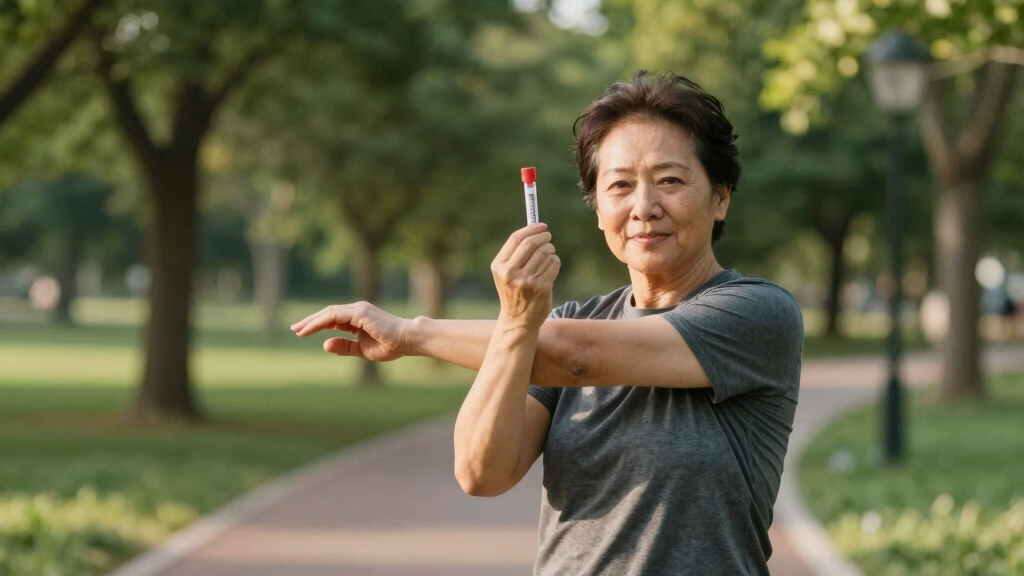
Scientists have identified specific blood biomarkers associated with healthier aging. This discovery could lead to new ways to promote longevity and prevent age-related diseases.
Recent scientific research has identified specific blood biomarkers that are associated with healthier aging, offering a potential pathway for early detection and targeted interventions to promote longevity and reduce age-related decline.
Multiple studies published over the past year have analyzed blood samples from diverse populations to identify markers linked with better health outcomes in older adults. Researchers have found that levels of certain proteins, hormones, and immune cells differ significantly between those who age healthily and those who experience rapid decline. These biomarkers include inflammatory markers, metabolic indicators, and immune system components. Experts emphasize that while these findings are promising, they are primarily observational and do not yet establish causality or effective interventions. The research is led by teams at several institutions, including the National Institute on Aging and prominent universities, and has undergone peer review. No clinical treatments have been approved based on these findings yet, but the data opens avenues for future research into diagnostics and personalized aging strategies.Potential for Personalized Aging Interventions
This discovery matters because it could enable early identification of individuals at risk for age-related diseases, allowing for personalized preventive strategies. Understanding blood biomarkers linked to healthy aging may lead to the development of targeted therapies, dietary recommendations, or lifestyle modifications. Ultimately, this research could shift the focus from treating age-related conditions after they develop to preventing or delaying their onset, improving quality of life for older adults and reducing healthcare costs. However, experts caution that more research is needed before these biomarkers can be used in clinical practice, and it remains unclear whether modifying these markers will directly influence aging outcomes.blood test kit for aging biomarkers
As an affiliate, we earn on qualifying purchases.
As an affiliate, we earn on qualifying purchases.
Recent Advances in Aging and Blood Biomarker Research
Over the past decade, scientists have increasingly studied the biological processes underlying aging, focusing on genetic, metabolic, and immune factors. Recent large-scale cohort studies have linked certain blood markers—such as inflammatory cytokines, lipid profiles, and hormone levels—to aging trajectories. Notably, research published in 2022 identified a panel of blood indicators that predict mortality risk and functional decline. These findings build on earlier work suggesting that systemic inflammation and metabolic health are central to aging. The current research consolidates these insights, with some studies indicating that interventions targeting these biomarkers may influence aging processes. Despite these advances, translating biomarker findings into clinical practice remains a challenge, as causality and effective modulation are still under investigation.“While promising, these findings are preliminary. We must be cautious before translating them into clinical treatments or lifestyle recommendations.”
— Professor Mark Johnson, aging specialist at Harvard Medical School
immune support supplements for older adults
As an affiliate, we earn on qualifying purchases.
As an affiliate, we earn on qualifying purchases.
Unanswered Questions About Causality and Intervention
It is not yet clear whether the identified blood biomarkers directly influence the aging process or are simply indicators of underlying health status. Researchers are still investigating whether modifying these markers can actively promote healthier aging or prevent age-related diseases. Additionally, the long-term effects of targeting specific blood components remain unknown, and more longitudinal studies are required to establish causality and safe intervention strategies.
anti-inflammatory dietary supplements
As an affiliate, we earn on qualifying purchases.
As an affiliate, we earn on qualifying purchases.
Next Steps in Biomarker Research and Clinical Trials
Future research will focus on conducting longitudinal studies to determine whether changes in these blood biomarkers can predict aging outcomes over time. Clinical trials are also being planned to test interventions aimed at modulating these markers, such as dietary supplements, medications, or lifestyle modifications. Researchers hope that these efforts will lead to validated diagnostic tools and personalized therapies that can be integrated into aging management practices within the next few years.
hormone balance supplements for seniors
As an affiliate, we earn on qualifying purchases.
As an affiliate, we earn on qualifying purchases.
Key Questions
Can blood biomarkers be used now to predict healthy aging?
Currently, blood biomarkers are primarily used in research settings. They are not yet validated for routine clinical prediction of healthy aging but hold promise for future diagnostic tools.
Are there any treatments available that target these blood markers?
At this stage, no approved treatments specifically target the blood biomarkers linked with healthy aging. Research is ongoing to explore potential interventions.
How soon might these findings lead to practical health interventions?
It may take several years of further research, including clinical trials, before biomarker-based interventions become available for widespread use.
What lifestyle changes could influence these blood markers now?
While direct effects are not yet confirmed, maintaining a healthy diet, regular exercise, and managing inflammation are generally considered beneficial for overall health and may influence some biomarkers indirectly.
Source: rss
Fall Picks
fall essentials
As an affiliate, we earn on qualifying purchases.