
TL;DR
Listen free for 30 days with Audible
Thousands of audiobooks and originals — cancel anytime.
Start your free trialAs an affiliate, we earn on qualifying purchases.
Practicing mindful movement and increasing body awareness can lower injury risk by up to 50%. Incorporating simple techniques like slow reps, feedback, and routines like yoga helps make every workout safer.
While many focus on lifting heavier, running faster, or stretching further, there’s a quiet hero in exercise safety that often gets ignored: mindful movement and body awareness. This skill isn’t flashy, but it’s the backbone of injury prevention and better performance. Think of it as the GPS for your body — guiding you away from dangerous missteps and helping you move smarter, not just harder.
If you’ve ever felt a twinge during a workout or wondered why some moves cause discomfort while others feel smooth, the answer often lies in your awareness of how your body moves. Developing this skill can save you from setbacks, improve your technique, and make your fitness journey more sustainable.
Develop body awareness through slow, deliberate movements and mental checks.
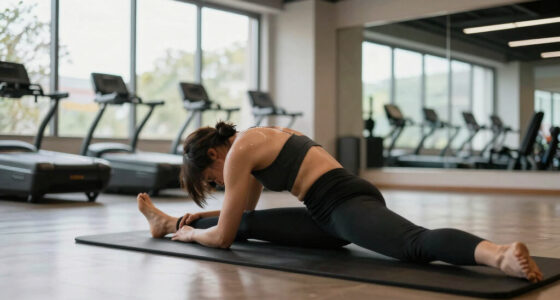
Use routines like yoga, Pilates, or body scan meditations to enhance internal focus.
Getting feedback via recordings or trainers sharpens your perception of proper form.
Prioritize awareness to cut injury risk by up to 50%.
Consistency turns awareness from a skill into a natural part of your workouts.
What is Body Awareness and Why Does It Matter?
Body awareness, or proprioception, is your ability to sense where your body parts are in space without looking. It’s like your internal GPS that keeps you balanced and aligned. When you’re mindful of your body’s position, you naturally avoid awkward postures that cause strain or injury. For instance, if you’re doing squats and notice your knees caving inward, you can correct this early, preventing potential knee injuries or joint strain that could develop over time. This awareness acts as an early warning system, alerting you to improper alignment before it escalates into pain or damage.
Understanding why this matters is crucial: poor proprioception doesn’t just increase injury risk; it also hampers your ability to perform exercises effectively. When your body isn’t sensing itself accurately, you compensate with other muscles or adopt flawed form, which can lead to overuse injuries or acute strains. Cultivating this awareness is akin to strengthening your foundational stability—without it, all your efforts can become unstable and less effective. By improving proprioception, you’re essentially tuning your body’s internal communication system, which results in more precise movements, fewer injuries, and faster progress. This foundational skill enhances not only safety but also the efficiency and longevity of your training, making it a vital component of any fitness regimen.
As an affiliate, we earn on qualifying purchases.
How to Boost Your Body Awareness in 3 Simple Steps
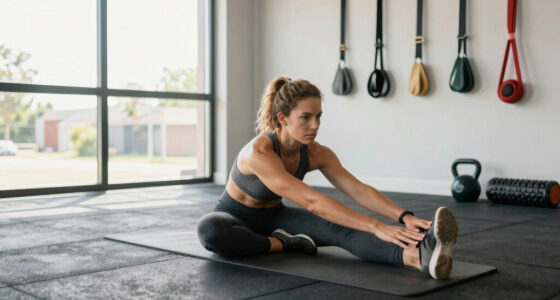
- Slow down and focus: Reduce your reps to half speed or slower. This deliberate pace forces you to pay close attention to each movement, muscle engagement, and joint position. For example, during a lunge, noticing how your front foot presses into the ground, your core stabilizes, and your hips stay level helps you identify imbalances or misalignments early. This mindfulness isn’t just about preventing immediate injury; it’s about retraining your nervous system to recognize proper movement patterns. Over time, this practice ingrains safe habits, reduces the likelihood of developing compensatory movements that cause strain, and enhances your overall control and stability—key factors in injury prevention.
- Use body scans: Before and after workouts, take a few moments to do a mental check. Lie on your back, close your eyes, and systematically scan your body from head to toe, noting areas of tension, stiffness, or discomfort. This process isn’t merely diagnostic; it’s a way to reconnect with your body’s subtle cues. Recognizing tension or tightness early allows you to modify your movements or incorporate targeted stretching, which can prevent small issues from escalating into chronic pain or injuries. Consistent body scans cultivate a habit of internal awareness, helping you develop a more refined sense of your body’s responses and needs—essential for long-term safety and performance.
- Get feedback: Record your workouts, use mirrors, or work with a trainer. Watching yourself move or receiving external input helps you identify flaws in your technique that your mind might overlook. This external perspective acts as an objective mirror, exposing misalignments or muscle activation patterns that aren’t apparent internally. Over time, this feedback enhances your internal perception, making your mind-body connection more accurate. The benefit is not just immediate correction but also the development of a more intuitive sense of movement, which is critical for avoiding injury. The more precise your internal cues become, the better you can self-correct, leading to safer and more effective workouts.
Consistency in these practices gradually rewires your perception of movement, making mindful awareness a natural part of your routine. This heightened perception allows you to catch issues early, adapt your technique, and ultimately move more safely and efficiently, reducing injury risk over the long term.
As an affiliate, we earn on qualifying purchases.
Compare How Different Routines Cultivate Awareness
| Routine Type | Focus | Benefits |
|---|---|---|
| Yoga | Breath and alignment | Improves flexibility, reduces tension, heightens awareness of your body in space—helping you recognize subtle misalignments and develop a more refined sense of your body’s positioning during movement. |
| Pilates | Core control and precision | Strengthens deep stabilizer muscles, enhances posture, and sharpens movement focus. This internal control translates into better proprioception, making you more aware of your core engagement and alignment during all activities. |
| Body Scan Meditation | Internal sensation focus | Increases overall body awareness, reduces stress, and improves mind-body connection. Regular practice helps you become more sensitive to tension and subtle cues, which enhances your ability to detect misalignments or fatigue during exercise. |
| Weightlifting with Feedback | Form and muscle activation | Prevents injury, maximizes muscle engagement, and refines technique. External feedback reinforces proper movement patterns, making your internal sense of correct form more accurate over time. |
Integrating routines that emphasize slow, controlled movements and internal focus isn’t just about flexibility or strength—it’s about rewiring your nervous system to recognize safe movement patterns. When you combine practices like yoga, Pilates, meditation, and feedback-based training, you create a layered approach that trains your body to sense its position and movement more accurately. This multi-faceted training deepens your proprioceptive abilities, making safety a natural outcome of your regular routine, rather than an afterthought. The more you diversify these methods, the more resilient and intuitive your body becomes, significantly reducing injury risk and enhancing overall performance.
As an affiliate, we earn on qualifying purchases.
Why Ignoring This Skill Can Cost You in the Long Run
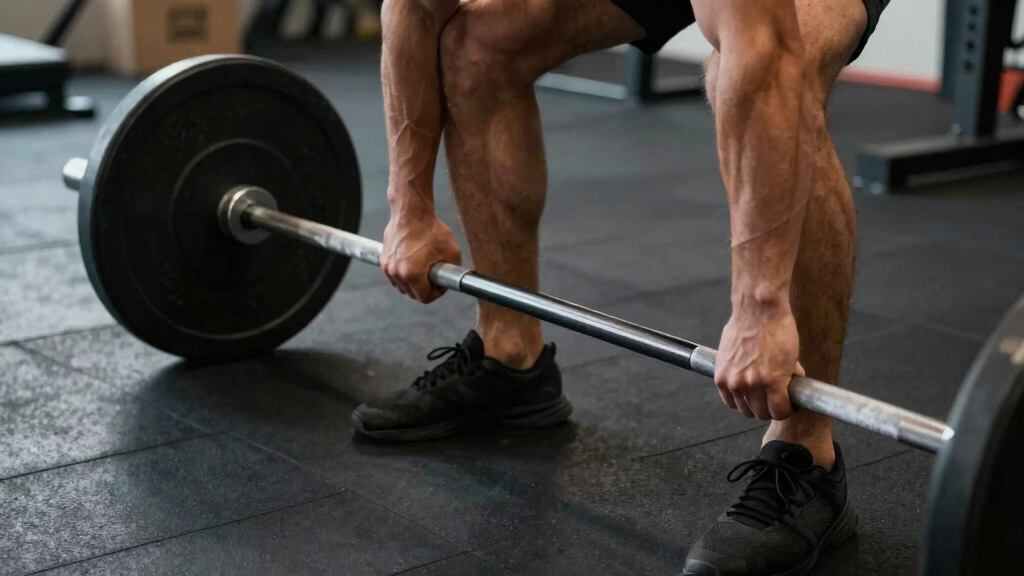
Neglecting mindful movement often leads to injuries that could have been prevented with better awareness. For example, a runner who dismisses subtle knee pain may continue to push through, risking stress fractures or tendinitis that could sideline them for weeks or months. But more importantly, ignoring these early signals can cause minor issues to compound into serious injuries, such as ligament tears or chronic joint degeneration. Similarly, lifting with poor form—such as rounding the back during deadlifts—may seem manageable at first, but over time, it can cause disc injuries or muscle strains that become chronic and difficult to recover from. These injuries aren’t just setbacks; they can permanently impair your mobility and reduce your capacity to train effectively, often requiring long periods of rehab or even surgery.
Research indicates that paying close attention to form, body cues, and movement patterns can reduce injury rates by up to 50%. This isn’t just about avoiding immediate discomfort—it’s about safeguarding your future ability to stay active and pain-free. When you develop this awareness, you’re essentially creating a proactive safety net that catches small misalignments before they turn into costly injuries. Ignoring this skill is like ignoring a warning light on your dashboard; the problem may seem minor at first, but if left unchecked, it can lead to catastrophic damage. Prioritizing body awareness is a strategic investment in your long-term health, ensuring that your fitness journey remains sustainable and injury-free.
exercise feedback recording device
As an affiliate, we earn on qualifying purchases.
As an affiliate, we earn on qualifying purchases.
Frequently Asked Questions
How can I tell if I’m moving with proper form?
Seek feedback from qualified trainers, record your workouts, or use biofeedback devices. Small adjustments based on these insights can significantly reduce injury risk.How long does it take to see improvements in body awareness?
With consistent practice—like slow reps, body scans, and mindful routines—you can notice improvements within a few weeks. It’s a gradual process, but worth the effort.Are mindfulness exercises enough on their own, or do I need other training?
Mindfulness exercises are a great foundation, but combining them with proper technique, strength training, and professional guidance maximizes safety and results.Can this skill help prevent specific injuries?
Yes. It can help prevent common issues like knee pain, back strain, and shoulder injuries by catching misalignments early and promoting better movement habits.Is this more important for beginners or experienced athletes?
It’s vital for everyone. Beginners learn safe habits early, and experienced athletes benefit from refining their technique and avoiding complacency.Conclusion
Building this overlooked skill transforms your workouts from risky guesses into smart, controlled movements. Think of it as tuning your internal alarm system — catching issues before they cause harm. The next time you hit the gym, slow down and really feel your body working. That simple act could save you from a preventable injury and keep your fitness journey steady and strong.
Remember: Exercise isn’t just about moving more; it’s about moving smarter. Your body will thank you for it.
College move-in / dorm season Picks
dorm essentials
As an affiliate, we earn on qualifying purchases.